Engineered for immediate phosphorus precipitation and high-density settling in municipal and industrial wastewater networks across Portugal.
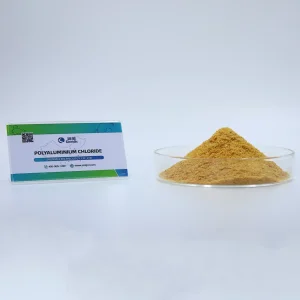
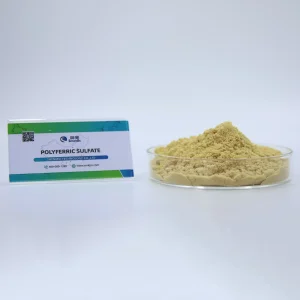
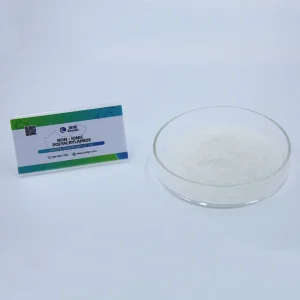
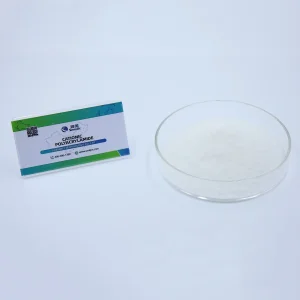
Portugal is undergoing a profound transformation in its water resources management paradigm. As a member state of the European Union, Portugal must strictly comply with the EU Water Framework Directive (Directive 2000/60/EC) and the Urban Waste Water Treatment Directive (Directive 91/271/EEC), regulated locally by the APA (Agência Portuguesa do Ambiente). Eutrophication in vital Portuguese water bodies—such as the Douro, Tejo, and Guadiana river basins, alongside massive reservoirs like the Alqueva—has driven regional authorities to enforce rigorous discharge limits on Total Phosphorus (TP).
Industrial processors operating within northern Portugal's textile clusters (e.g., Vila Nova de Famalicão, Guimarães) and the coastal pulp and paper mills (e.g., Aveiro, Setúbal) face a dual challenge: eliminating phosphorus content to levels below 0.5 mg/L while controlling chemical sludge production. Traditional biological treatment systems often fail to cope with fluctuating nutrient shock-loads, demanding high-performance chemical precipitating agents to bridge the gap.
Global procurement teams in Portugal demand sustainable chemical supply chains that reduce operating costs (OPEX) without compromising regulatory compliance. High-basicity Polyaluminum Chloride (PAC) and highly polymerized Polyferric Sulfate (PFS) have emerged as the industry standards for rapid coagulation-flocculation. By facilitating rapid charge neutralization and structural sweep flocculation, these agents bind orthophosphates and particulate phosphorus into robust, easily dewatered flocs.
As a leading global manufacturer, Smedic Technology integrates specialized R&D with multi-nuclear chemical formulation capabilities to supply municipal wastewater networks (ETARs) and private industrial treatment systems throughout mainland Portugal and its autonomous regions.
Discharge criteria in sensitive zones demand TP levels below 0.5 - 1.0 mg/L. Our formulations are tailor-made to exceed these strict limitations consistently.
Specialized inorganic polymer coagulants designed to break complex organic matrices and isolate bound phosphorus from highly turbid process water.
Direct container logistics routes delivering bulk PAC, PFS, and Polyacrylamide directly to major Portuguese port hubs with short transit times.
Established in 2011, Smedic Technology is a comprehensive solution provider integrating chemical R&D, advanced manufacturing, and technical consulting for critical municipal and industrial applications.
Smedic operates multiple proprietary production bases in Hebei, Guizhou, and Shanxi, supplemented by over ten joint-venture and OEM partner facilities. This national footprint ensures a highly robust supply chain resilient to raw material fluctuations. Our total daily wastewater treatment project footprint processes in excess of 20 million tons globally.
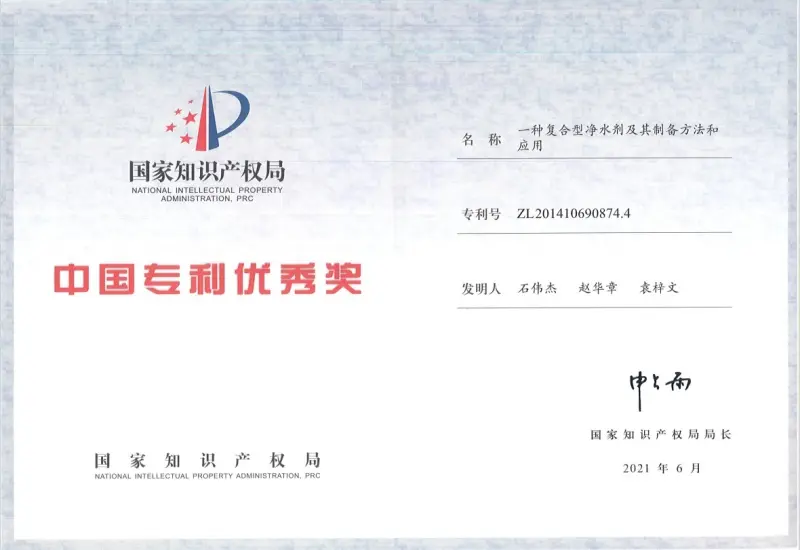
Our technical network spans academic research partnerships with prestigious institutions like Tsinghua University, Shandong University, and the Beijing University of Technology, supporting rapid commercialization of award-winning patents, including the prestigious China Patent Award.
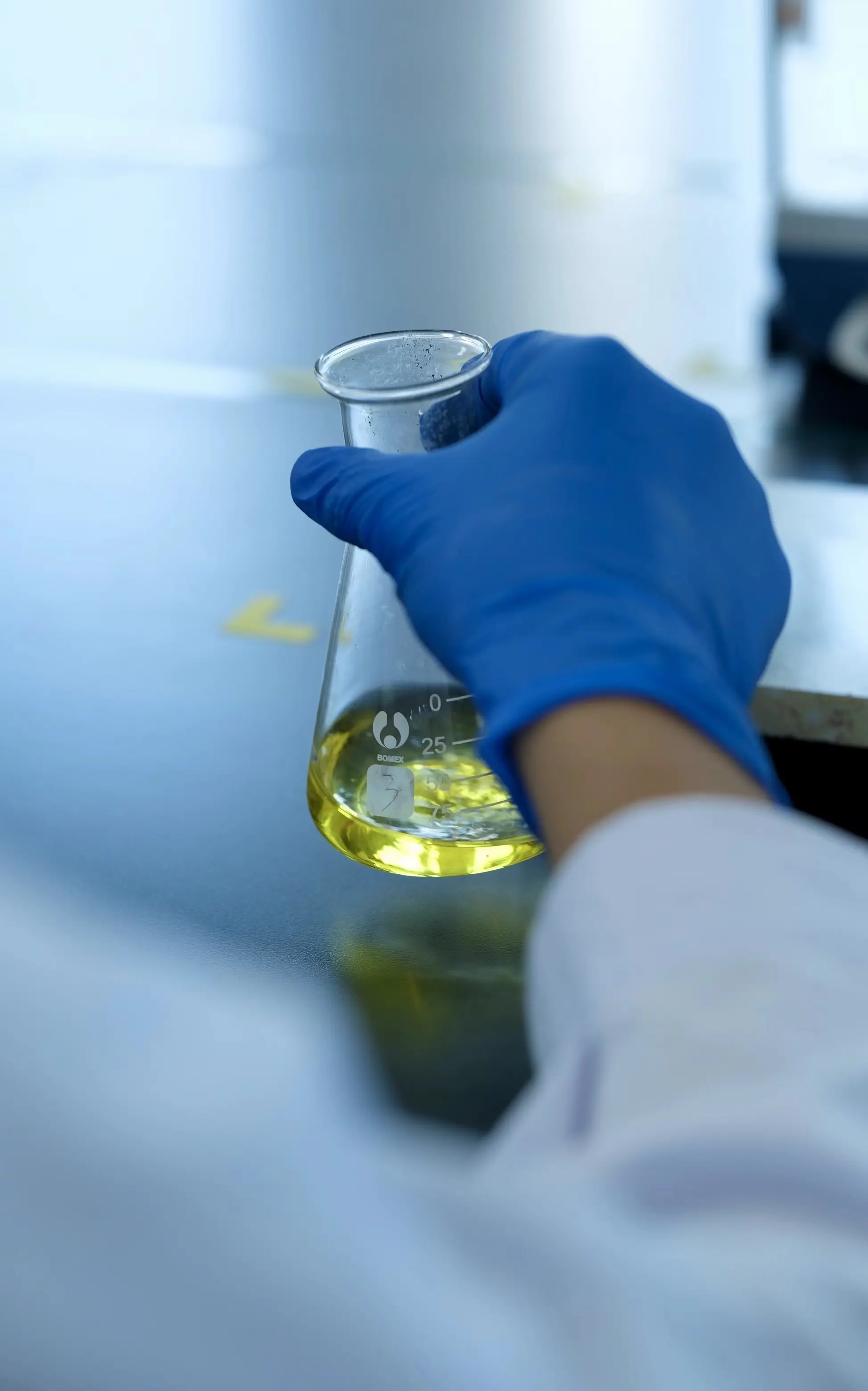
A comparative guide for Portuguese water treatment engineers evaluating efficiency, pH sensitivity, sludge volume, and heavy metal adsorption rates.
| Active Ingredient | Phosphorus Precipitation Mechanism | Ideal pH Range | Sludge Volume Index (SVI) | Best Application (Portugal Context) |
|---|---|---|---|---|
| Polyaluminum Chloride (PAC) | Al3+ complexes with PO43-; moderate charge neutralization and sweep flocculation. | 6.0 - 8.5 | Moderate | Municipal ETARs, low-turbidity drinking water resources, food processing plants. |
| Polyferric Sulfate (PFS) | Multi-nuclear polymeric Fe3+ complexes; high charge neutralization, dense sweep flocculation. | 5.5 - 9.0 | Low (Highly Compact Sludge) | Heavy industrial effluent, pulp/paper mills, dye/textile plants in northern regions. |
| Cationic Polyacrylamide (CPAM) | Polymer bridging; links microflocs formed by PAC/PFS into large, shear-resistant structures. | 4.0 - 10.0 | Extremely Compact (Dewatering phase) | Sludge belt presses, decanter centrifuges, and DAF (Dissolved Air Flotation) systems. |
| Anionic Polyacrylamide (APAM) | Extensive macro-bridging; adsorbs onto positively charged inorganic flocs to speed sedimentation. | 6.0 - 11.0 | Very Low | Heavy mining slurries, mineral processing, and secondary clarifier acceleration. |
During winter rainfall periods in Portugal, municipal sewer networks experience significant rainwater intrusion. This dilution reduces influent wastewater temperatures and alkalinity. Under these conditions, Polyferric Sulfate (PFS) exhibits superior hydrolysis kinetics over conventional Alum or standard monomeric PAC, maintaining high phosphorus removal rates even at water temperatures below 10°C.
All chemical batches exported by Smedic Technology adhere to strict European registration, evaluation, authorization, and restriction of chemicals (REACH) guidelines. Standardizing our raw materials ensures that no non-compliant impurities (such as excessive heavy metal residues or free monomers) enter the Portuguese ecological loop.
We do not simply ship chemicals; we offer complete system optimization. Smedic provides Portuguese plant operators with laboratory beaker test protocols, dosing simulation models, and real-time monitoring suggestions to lower chemical usage by up to 25% while maintaining targeted effluent standards.

The future of phosphorus removal in Portugal lies within the transition from simple disposal to sustainable recovery. The EU's Circular Economy Action Plan identifies phosphorus as a critical raw material. Modern sewage sludge management technologies are shifting focus toward Struvite Crystallization (Magnesium Ammonium Phosphate precipitation) to capture nutrients from digested sludge supernatant and recycle them as slow-release agricultural fertilizers.
Smedic is actively developing compound organic-inorganic coagulants that optimize the crystallization of struvite. By pre-conditioning the sludge line with precise molar ratios of polymeric iron and aluminum species, our agents reduce chemical interference in crystallizer reactors, optimizing phosphorus recovery rates.
Concurrently, our technical team is deploying advanced algorithms for real-time dosage optimization. Fluctuations in wastewater flows lead to chemical over-dosing, which unnecessarily increases sludge management costs, or under-dosing, which risks regulatory fines. Integrating modern feedback loops with high-performance chemicals ensures precise dosing controls.
Our ongoing partnership with top-tier research institutes focuses on developing phosphorus adsorbents that function effectively in complex industrial matrices, ensuring high retention capacities even under extreme acid or alkaline ranges.
Direct answers to technical queries regarding dosing points, chemical compatibility, sludge minimization, and regulatory limits.
Explore our full line of functional polymers, defoamers, heavy metal removers, and scale inhibitors serving the Portugal industrial market.
Connect with a senior Smedic technician to arrange laboratory evaluation samples or customized PAC / PFS chemical blends. We provide comprehensive REACH data sheets, custom parameter tuning, and direct freight mapping to your facility in Portugal.
Send Inquiry Now Smedic Tech