Advanced polymers and chemical formulas engineered for rapid phosphate precipitation, dewatering, and chemical sedimentation across municipal water systems and industrial treatment operations.
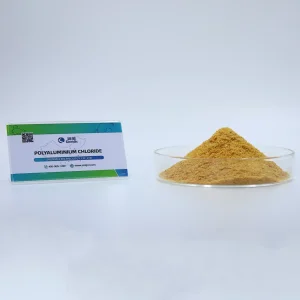
Specially optimized PAC formula designed for low-temperature municipal water systems within the Greater London catchment.
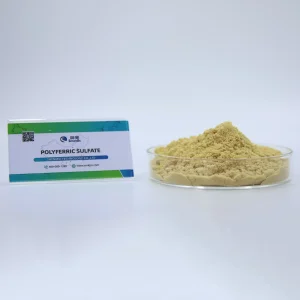
Polyferric Sulfate (PFS) designed to rapidly form dense, heavy flocs to sweep away dissolved orthophosphates.
Ultra-high molecular weight bridging agent designed to enhance clarifying operations under acidic industrial run-offs.
Highly active cationic polymer engineered for quick sludge conditioning and solid-liquid separation phases.
Phosphorus represents a double-edged sword in modern eco-management. Essential for agricultural vitality, its release into natural waterways causes eutrophication, triggering toxic algal blooms that strip oxygen from aquatic habitats. For major urban regions like Greater London, controlling effluent phosphorus concentrations is a strict requirement mandated by both UK regulatory agencies and municipal authorities.
Our chemical treatment protocols focus on converting dissolved orthophosphates, condensed phosphates, and organic phosphorus compounds into insoluble metallic precipitates. Using multivalent metal ions, such as trivalent iron (Fe³⁺) from Polyferric Sulfate or aluminum (Al³⁺) from Polyaluminum Chloride, we form coordinate covalent bonds with orthophosphates:
Fe³⁺ + PO₄³⁻ → FePO₄ ↓ (Insoluble Precipitate)
Al³⁺ + PO₄³⁻ → AlPO₄ ↓ (Insoluble Precipitate)
These primary precipitates form microflocs. When combined with our range of Anionic (APAM) and Cationic (CPAM) polyacrylamides, these microflocs aggregate into large, dense matrices. This speeds up gravity settling, filters out more suspended solids, and ensures compliance with the most stringent effluent discharge limits.
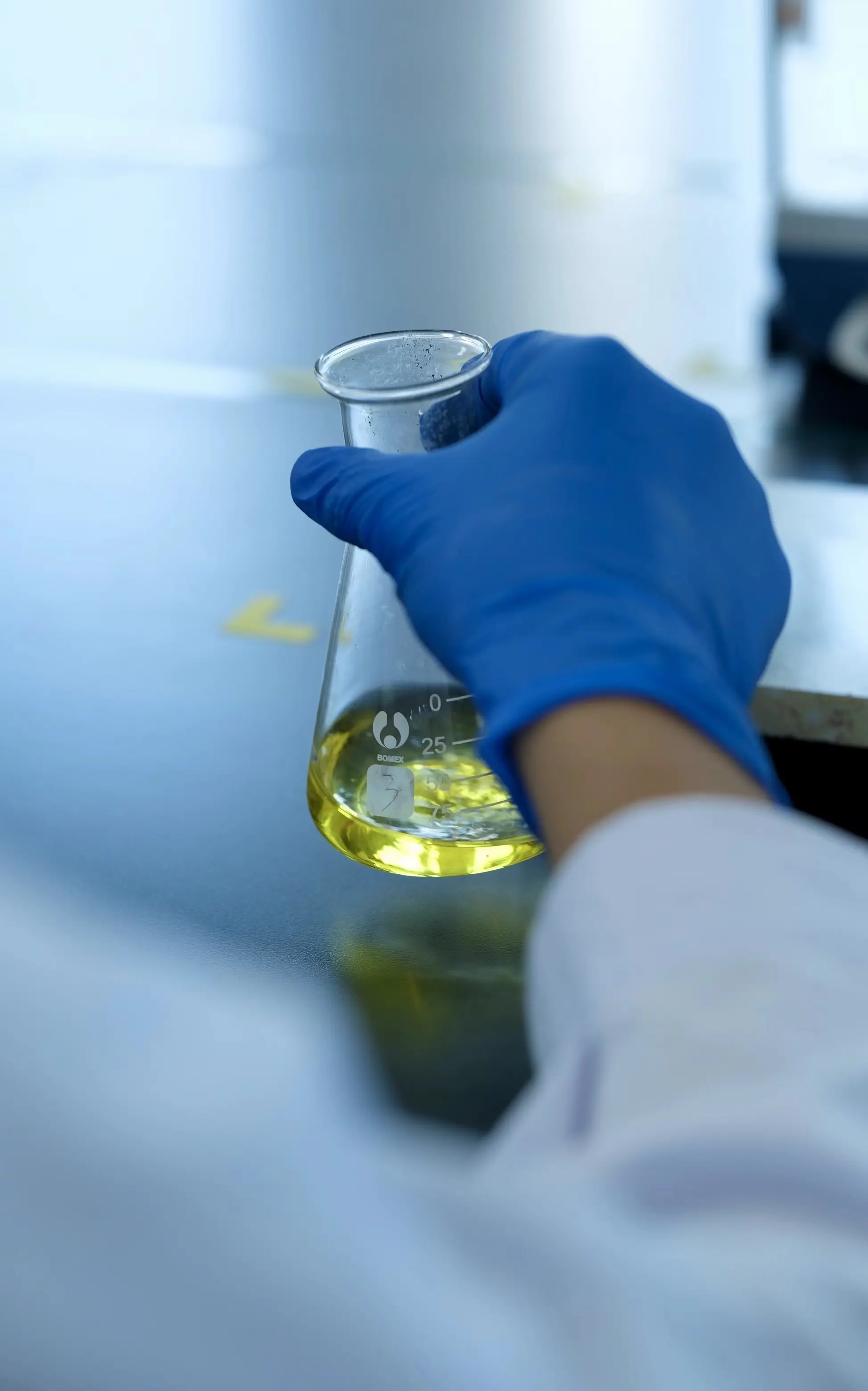
Integrating manufacturing capacity, specialized R&D expertise, and chemical engineering solutions to support municipal and industrial projects globally.
Established in 2011, Smedic Technology Co., Ltd. is a comprehensive environmental chemical supplier, integrating R&D, production, logistics, and field engineering services. We manufacture high-performance treatment chemicals for municipal sewer systems, industrial waste streams, potable water plants, mineral refining, and oil-gas operations. With a portfolio of over 80 environmental protection products, our annual capacity exceeds 1 million metric tons, serving urban wastewater treatment plants and industrial facilities globally.
Understanding local environmental frameworks and sourcing challenges helps optimize supply operations for major municipal water companies and industrial producers.
Under the UK Environment Act 2021 and Thames Estuary preservation frameworks, municipal and industrial plants face strict Total Phosphorus (TP) limits down to 0.1 mg/L, requiring reliable and consistent chemical precipitation agents.
Major facilities like Beckton and Crossness STWs manage millions of gallons daily. Rising European input costs make global chemical sourcing essential to maintain utility cost-efficiency.
Direct-to-port shipments via the Thames Gateway, Tilbury, and London Gateway ensure consistent deliveries, helping utility operators maintain safety stocks during volatile transport periods.
Combining automated production, quality control, and regional warehouses to ensure reliable product supplies for international projects.
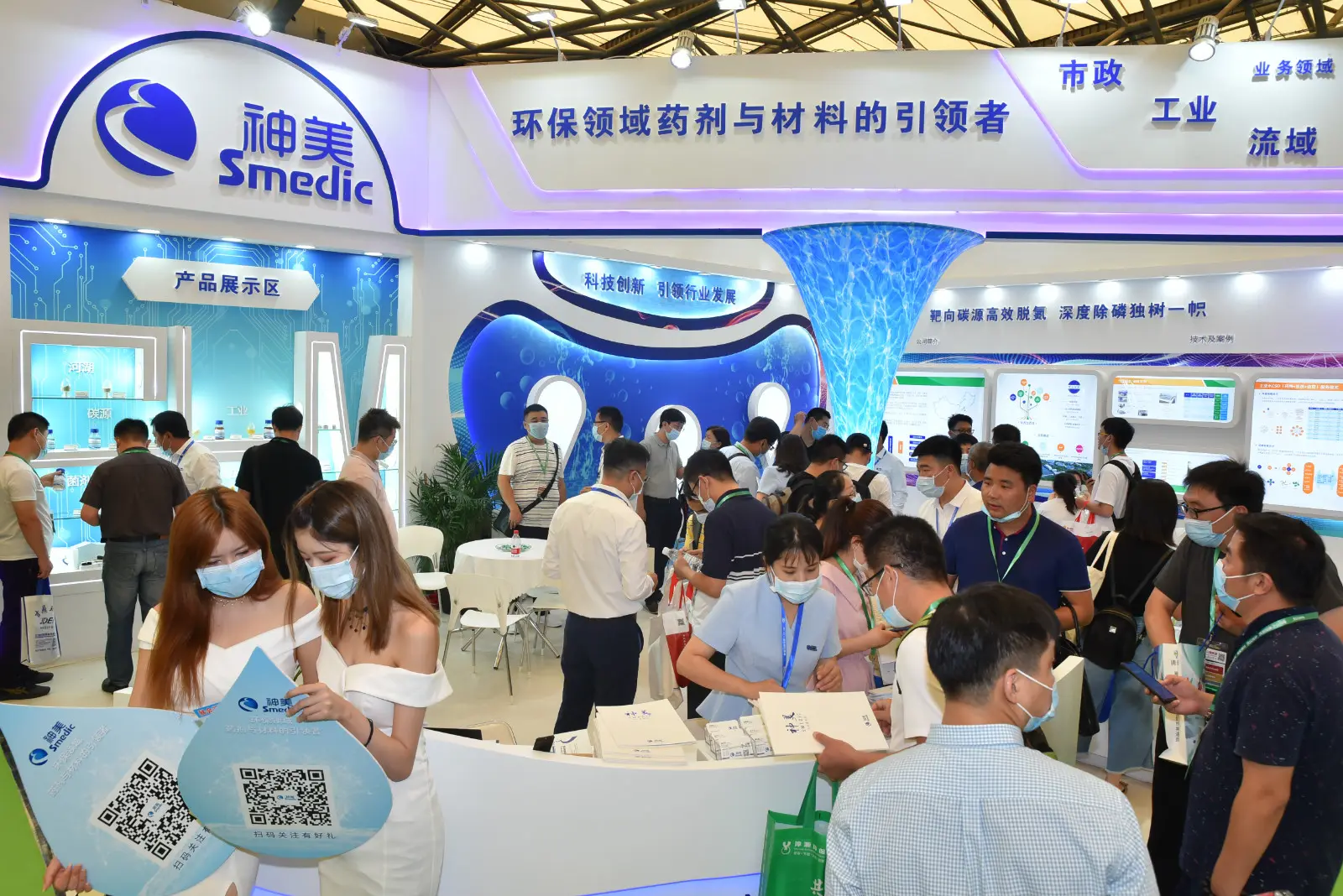
Smedic Technology manages modern production centers in Hebei, Guizhou, and Shanxi, alongside regional storage facilities. This footprint allows us to support large-scale water treatment demands across different regions and export markets.
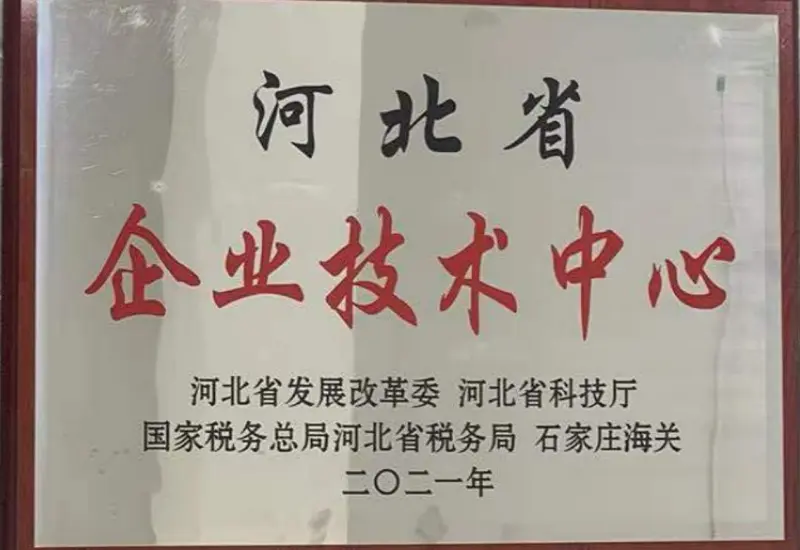
Our technical team of researchers, chemical experts, and engineers drives our product development. Through joint laboratories with Tsinghua University and Beijing University of Technology, we work to transfer wastewater treatment research into reliable, commercial-grade products.
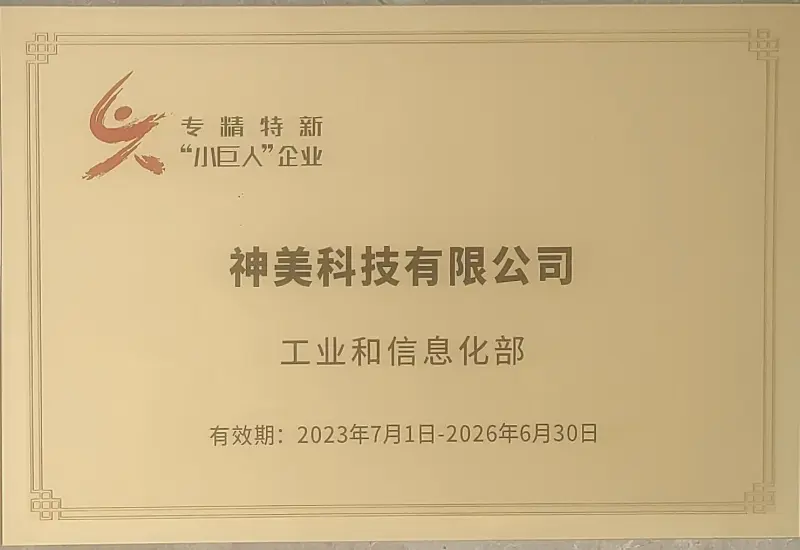
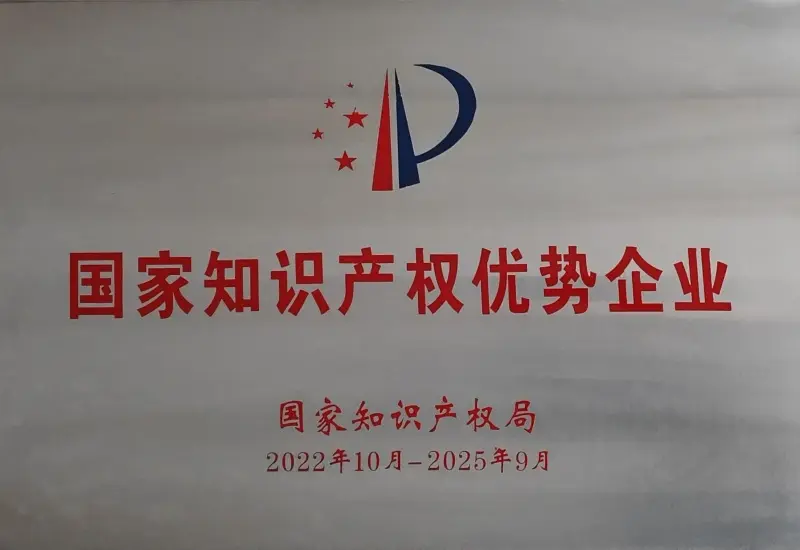
We hold over sixty national patents, including forty invention patents. We have also contributed to drafting national standards for composite carbon sources, coagulants, and sodium acetate, ensuring our products meet precise industry parameters.

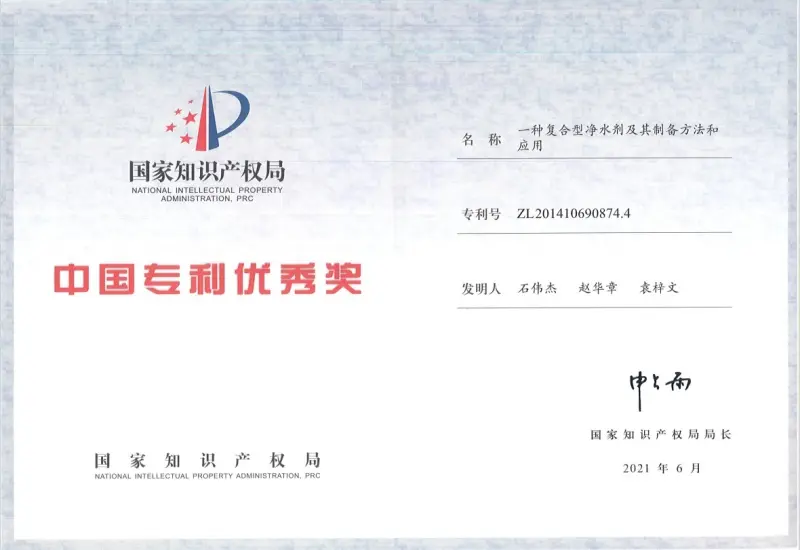
A comprehensive selection of polymers and water purification chemistry manufactured for low-dose, high-yield separation and compliance support.
Industrial-grade PFS flocculant designed for fast sedimentation of phosphorus precipitates in major treatment systems.
High-charge density cationic polymer formulation optimized for sludge dewatering and clarification systems.
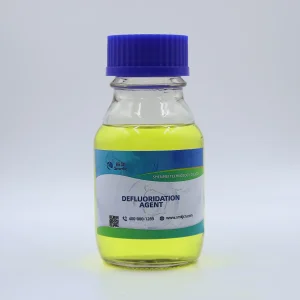
Targeted chemical agent engineered for selective fluoride precipitation in mixed industrial wastewater plants.
Advanced PAC formulation with high aluminum content to assist floc formation in challenging water conditions.
A history of scaling production capacity, developing intellectual property, and building industrial partnerships.
A range of auxiliary treatment chemicals designed for system maintenance, foam prevention, pH adjustment, and corrosion control.
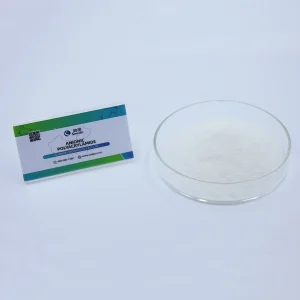
Premium anionic polyacrylamide designed for water clarification in municipal wastewater networks.
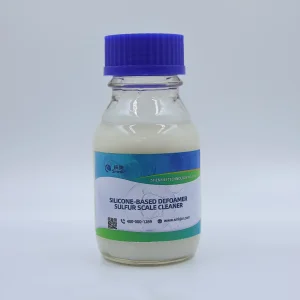
Organic silicone defoamer engineered to control foam levels in aeration basins and discharge channels.
Polyaluminum Chloride (PAC) designed to remove turbidity and suspended solids from industrial water streams.
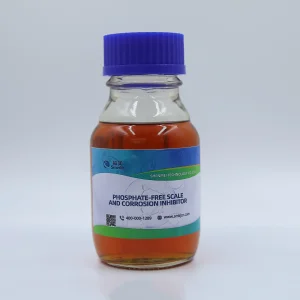
Phosphate-free scale inhibitor designed to prevent scaling in heat exchange tubes without raising phosphorus levels.
Silicon-based foam suppression agent formulated for chemical dosing loops and industrial biological basins.
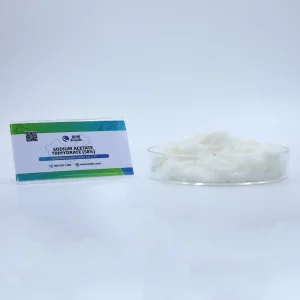
High-purity sodium acetate designed as an external carbon source for denitrification and biological phosphorus removal.
Polyferric Sulfate (PFS) designed to treat heavy industrial effluents and complex municipal water streams.
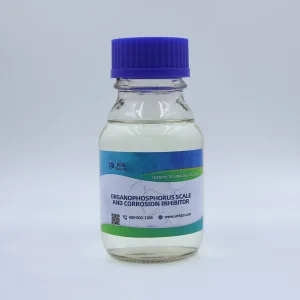
High-stability organophosphorus inhibitor designed to protect heat exchangers from rust and carbonate scaling.
Expert answers addressing the selection, dosage, and engineering parameters of phosphorus removal chemistry.
Polyferric Sulfate (PFS) offers several advantages over aluminum sulfate (Alum). Iron ions (Fe³⁺) form a denser, heavier precipitate with orthophosphates than aluminum ions (Al³⁺). This density allows for faster settling times in clarifiers, which helps prevent floc carryover into the effluent. Additionally, PFS performs well across a wider pH range (5.0 to 11.0) and generally results in less chemical sludge volume than Alum, reducing disposal costs.
In Enhanced Biological Phosphorus Removal (EBPR) systems, Accumulating Organisms (PAOs) require volatile fatty acids (VFAs) as a carbon source under anaerobic conditions to store Poly-β-hydroxyalkanoates (PHAs). When municipal wastewater lacks sufficient biodegradable carbon, dosing high-purity Sodium Acetate provides a direct supply of VFAs. This stimulates PAOs to release phosphorus during the anaerobic stage and uptake excess phosphorus during the aerobic stage, improving biological removal efficiency.
Traditional corrosion inhibitors rely on orthophosphates or polyphosphates to form a protective passivating layer on steel. However, cooling tower blowdown containing these phosphates increases nutrient loads in discharged water. In regions like the UK with strict discharge regulations, using a phosphate-free inhibitor protects heat exchange systems without contributing to phosphorus levels in nearby water bodies.
While the theoretical stoichiometric molar ratio of metal to phosphorus (Me/P) is 1.0, practical applications require excess dosage due to side reactions with alkalinity and organic compounds. For typical wastewater, a molar ratio between 1.5 and 2.5 (Metal to Total Phosphorus) is usually necessary to achieve effluent targets below 0.5 mg/L TP. Testing on-site helps determine the correct dosage for local water conditions.
Aeration processes, high organic loads, and surfactant usage can generate significant foam in biological basins and secondary clarifiers. Silicone defoamers use a mixture of polydimethylsiloxane (PDMS) and hydrophobic silica particles to lower surface tension and disrupt foam bubbles. They are formulated to disperse quickly without interfering with oxygen transfer or biological nitrification processes.
To minimize sludge, operators can use a combined biological-chemical approach, using chemical dosing only for polishing. Selecting high-charge organic polymers like Cationic Polyacrylamide (CPAM) as flocculant aids helps aggregate microflocs, improving sludge dewatering efficiency in centrifuges and belt presses and reducing overall waste volume.
Polyaluminum Chloride solutions are acidic and corrosive to steel. They should be stored in tanks made of fiberglass-reinforced plastic (FRP), polyethylene (PE), or rubber-lined steel. Dosing pumps and piping should use PVC, PVDF, or PTFE to prevent corrosion and maintain system reliability.
Request chemical samples, technical data sheets, and custom dosage assessments from our technical sales team.
Send Inquiry Now Smedic Tech