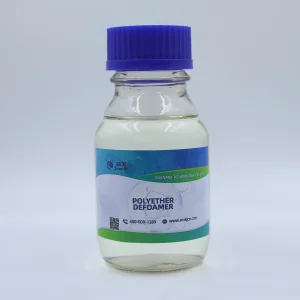
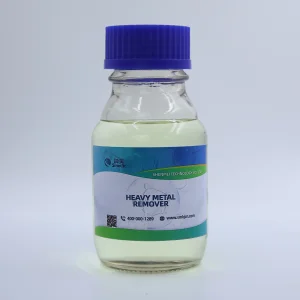
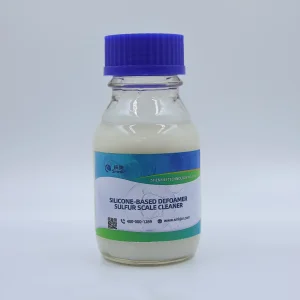
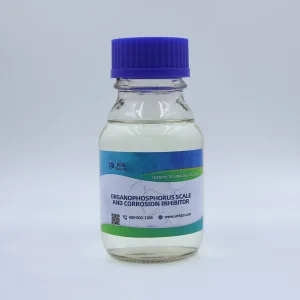
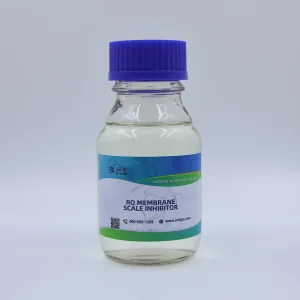
Engineered for optimal flocculation, defoaming, scale prevention, and biological nutrient dosing across complex municipal wastewater treatment facilities.
Established in 2011, Smedic Technology Co., Ltd. stands as a premier enterprise in China's municipal effluent treatment sector. Operating as a comprehensive solution provider, we integrate advanced laboratory research, large-scale chemical manufacturing, international trade, and specialized on-site engineering services. Over the last decade, our capabilities have scaled to support municipal sewage networks, industrial water purification systems, mineral processing facilities, and oilfield operations worldwide.
With a daily water processing footprint exceeding 20 million tons, Smedic is a vital link in China's national clean water campaign. We synthesize and distribute over 80 discrete classes of environmental protection agents, operating at an annual production capacity surpassing 1 million tons. By working in concert with academic institutions and municipal utility corporations, we maintain high standards of reliability and efficacy.
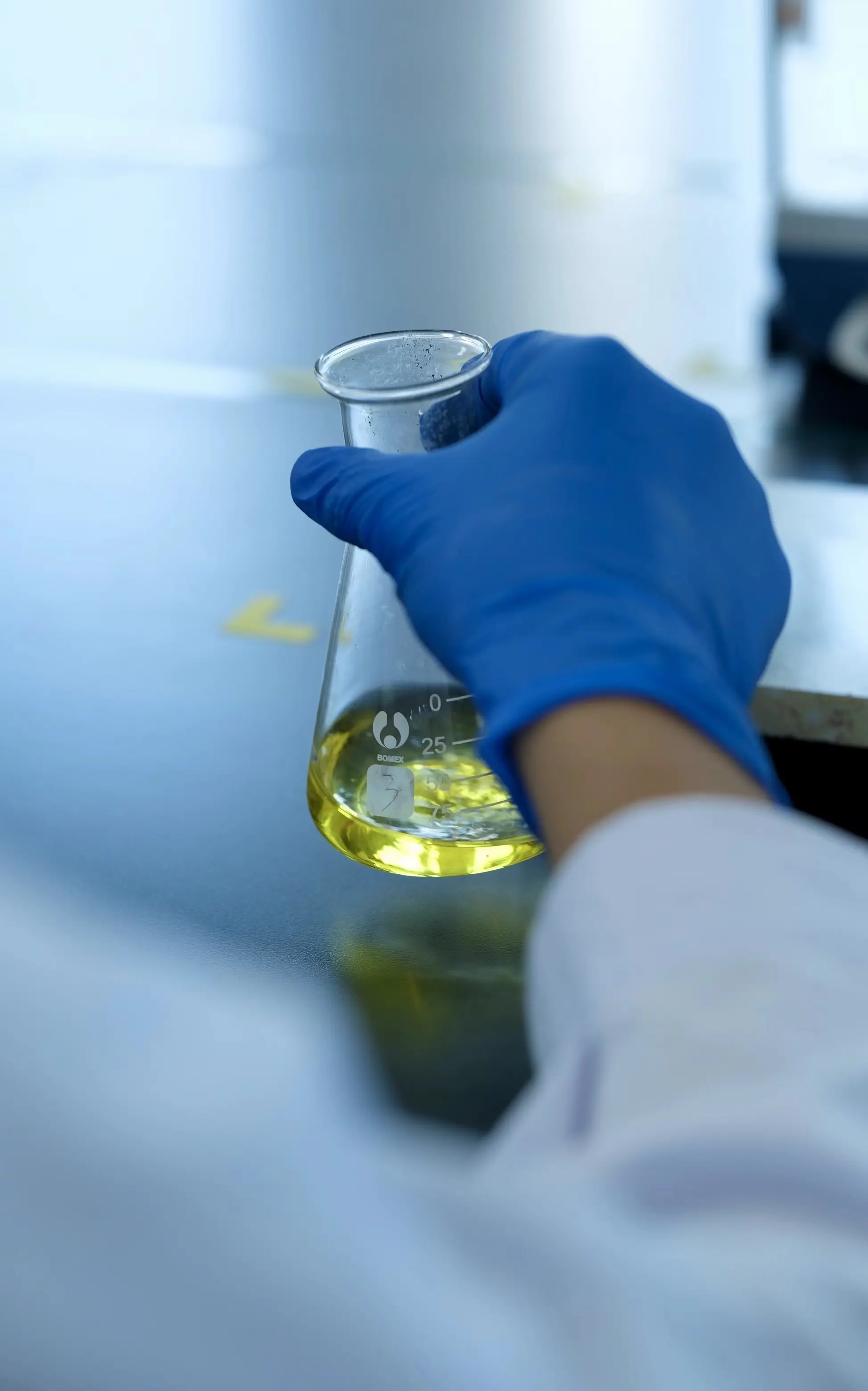
Uncovering the environmental regulations, chemical trends, and supply chain strategies driving water reclamation infrastructure.
Modern municipal effluent infrastructure must comply with tightening discharge limits. Traditional nitrifying-denitrifying pathways often fail to meet total nitrogen (TN) standards without supplemental carbon. High-efficiency supplemental carbon sources, such as Smedic's composite sodium acetate formulas, bypass the slow kinetics of traditional organic feedstocks (like methanol or glucose). They provide an instant, highly bioavailable energy source for facultative anaerobic denitrifying bacteria, driving rapid nitrate reduction under ambient and cold-weather conditions.
Globally, the transition to circular water models has elevated municipal effluent from a waste stream to a resource. Forward-looking water reuse schemes demand not only nutrient removal, but also zero-scale, micro-pollutant free discharge. Consequently, auxiliary technologies like membrane bioreactors (MBR) and reverse osmosis (RO) systems have become integrated within municipal water grids, demanding corresponding breakthroughs in RO scale inhibition, defoaming agents, and advanced coagulants.
Global utility procurement teams prioritize high purity, structural stability, and reliable supply. Smedic offers structured contracting methods to mitigate risk.
We leverage high-grade raw feedstocks to synthesize organic defoamers and coagulants with minimal toxicity profiles, ensuring clean sludge treatment.
From RO membrane anti-scalants to heavy metal chelators, we target chemical dosing issues, optimizing both chemical usage and capital expenditure.
Custom chemical programs designed to optimize municipal wastewater processing, sludge management, and membrane health.
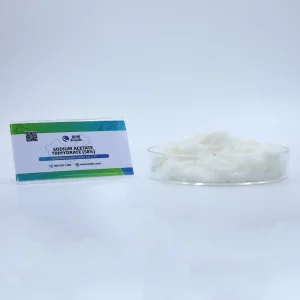
Our biological nutrient removal strategies utilize composite carbon sources, including pure solid sodium acetate, combined with complex nitrifying/denitrifying bacterial cultures. This approach boosts bacterial activity inside anaerobic-anoxic basins, preventing sludge bulking while maintaining high phosphate and nitrate extraction rates.
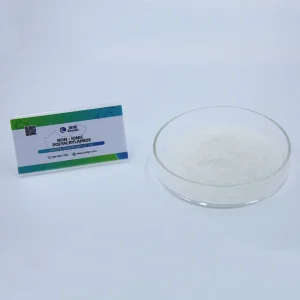
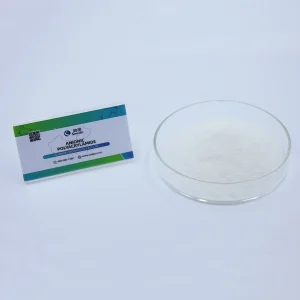
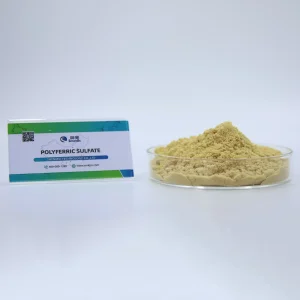
Smedic's proprietary inorganic-organic covalent bond flocculants combine the high charge density of Polyaluminum Chloride (PAC) and Polyferric Sulfate (PFS) with the long-chain bridging capacity of Anionic Polyacrylamide (APAM) and Cationic Polyacrylamide (CPAM). This structure improves settling rates, produces compact floc structures, and reduces cake moisture content in filter press dewatering systems.
In wastewater treatment plants employing reverse osmosis (RO) or nanofiltration (NF) loops, bio-fouling and mineral scaling are significant concerns. Smedic’s scale inhibitors block salt precipitation on membrane surfaces. They disperse mineral species like calcium carbonate, calcium sulfate, and silica, maintaining flux rates and extending membrane operational lifespan.
A look at the future of water treatment engineering, green chemical synthesis, and digital dosing systems.
Reducing carbon footprints by developing plant-based and waste-derived carbon sources, as well as biodegradable polymeric defoamers.
Integrating real-time sensor networks with automated chemical dosing systems. This technology adjusts carbon source and flocculant feed rates dynamically based on fluctuating water parameters.
Developing specialized chelating agents and advanced oxidation catalysts to target emerging contaminants, including endocrine disruptors and persistent organic chemicals.
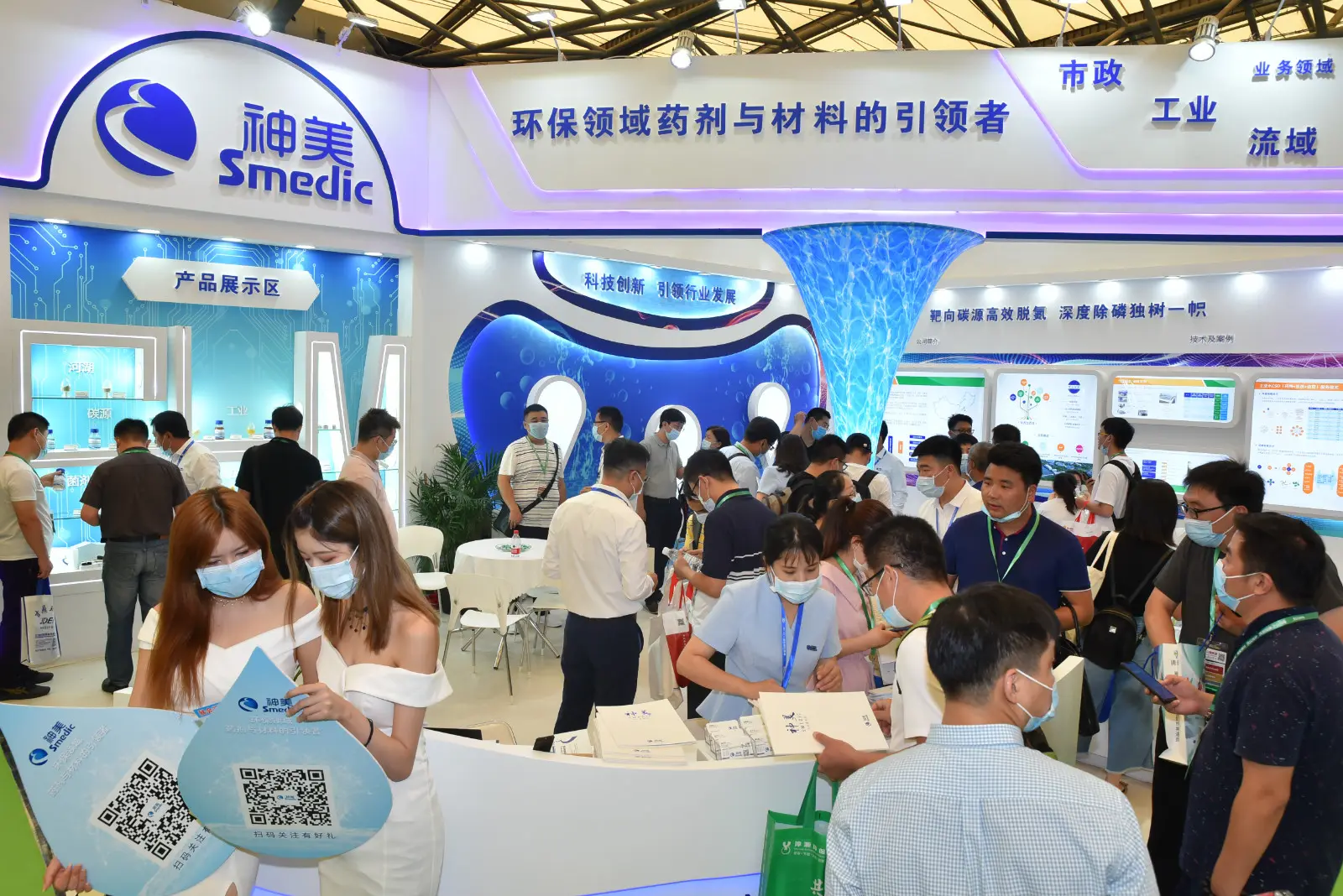
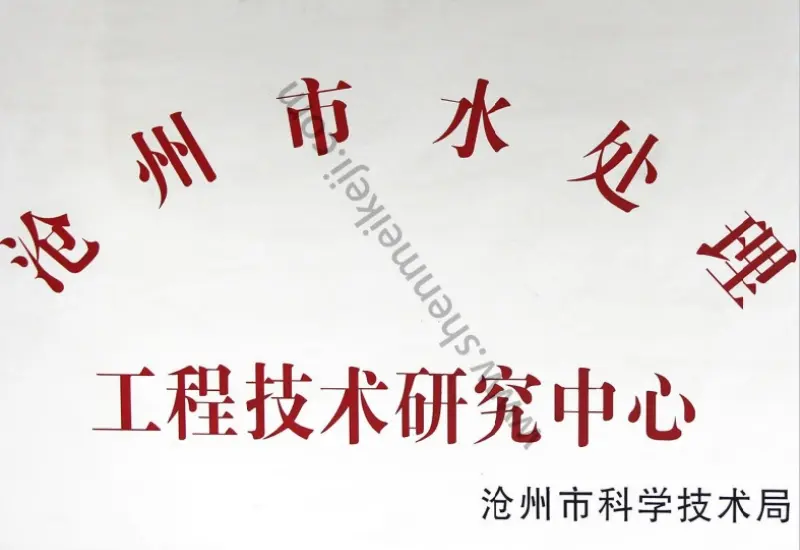
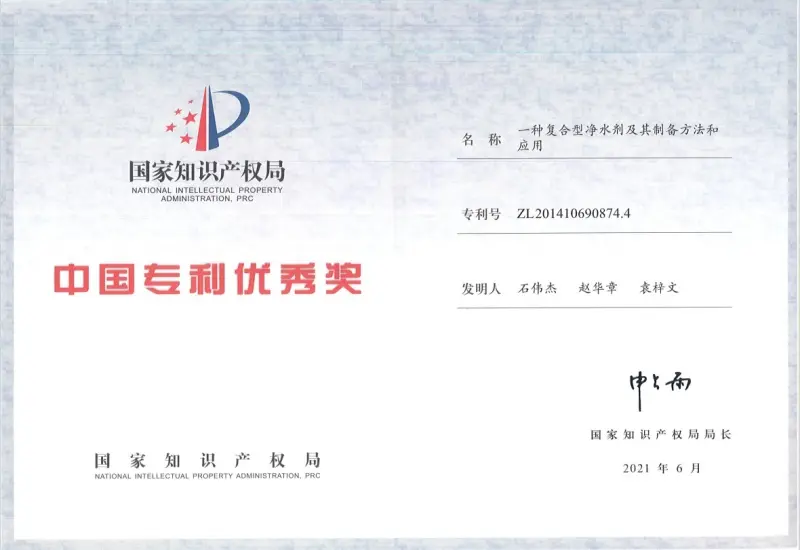
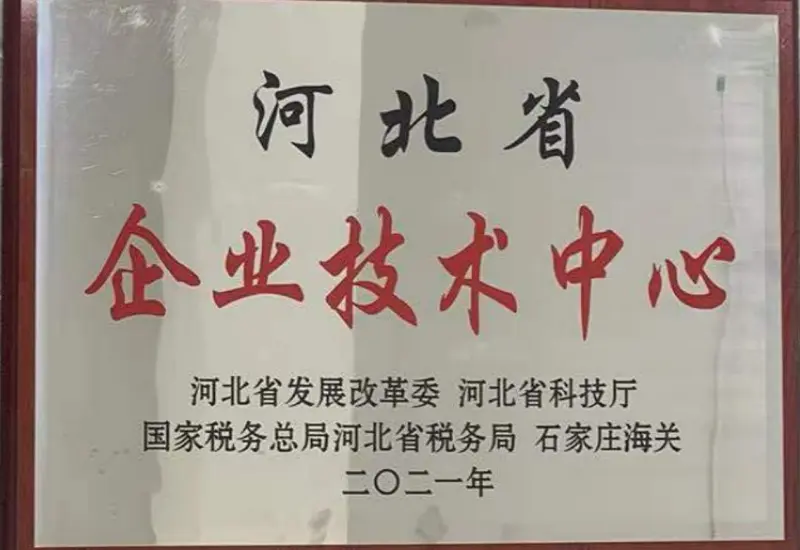
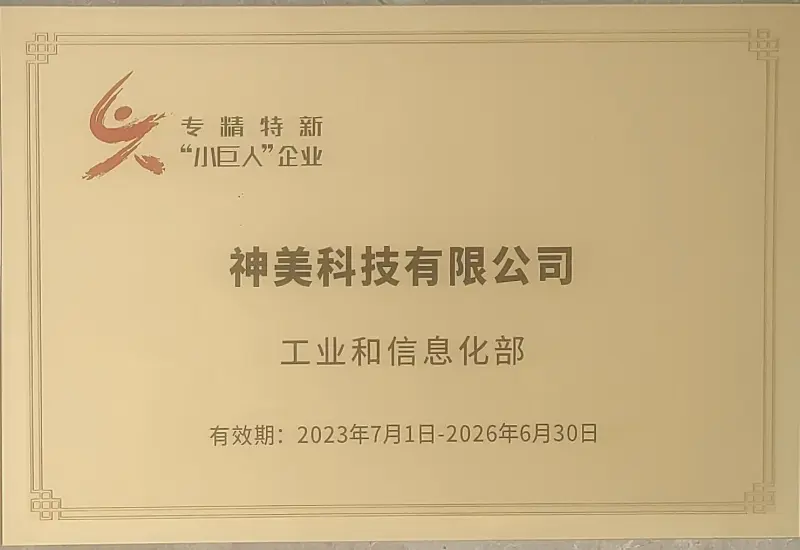
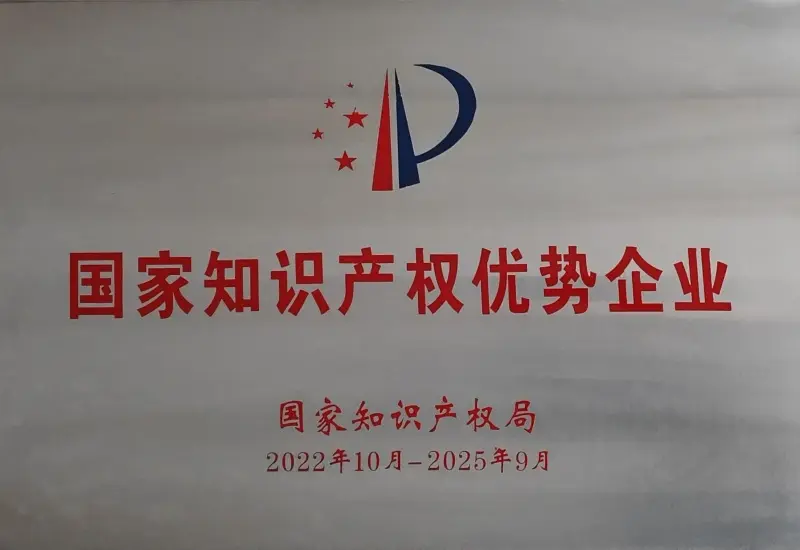
Our dedication to quality is supported by a comprehensive quality management system, covering raw material selection, inline process control, and post-production verification. Smedic’s R&D network is centered around a core technical team of senior engineers and academic advisors. Our facilities have been recognized as a National High-Tech Enterprise, a National Specialized and Innovative "Little Giant" Enterprise, and a Green Factory.
Smedic has secured over sixty Chinese patents, including forty invention patents, and led the drafting of ten national standards for composite carbon sources, coagulants, sodium acetate, and denitrifying bacterial agents. We operate an Expert Workstation with Tsinghua University senior scientists and run joint laboratories with Beijing University of Technology and Shandong University.
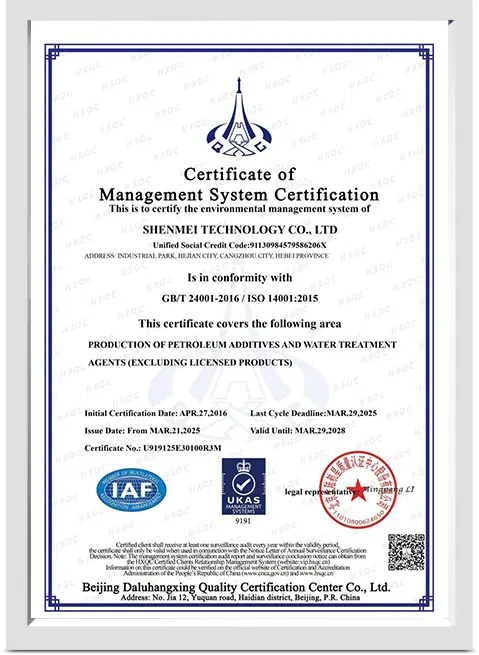
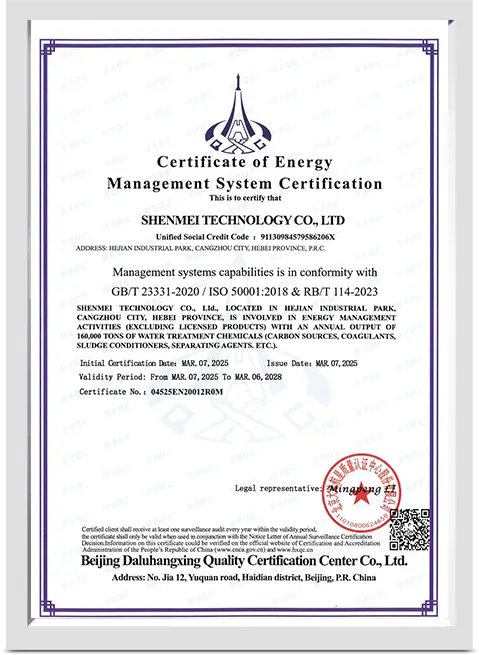
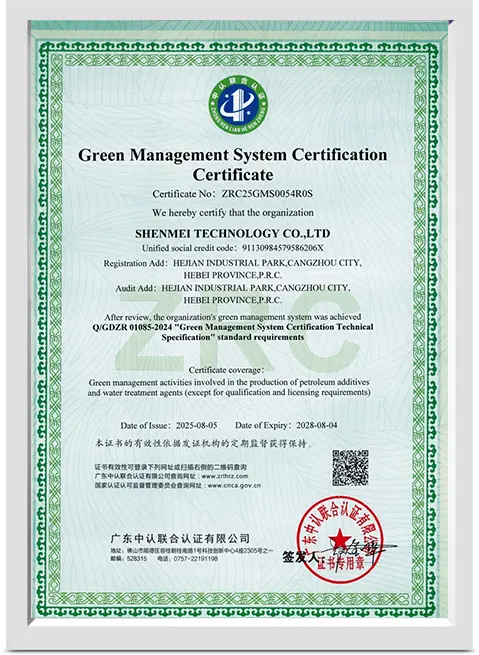
Expert insights on product usage, dosing criteria, chemical compatibility, and compliance standards.
High-efficiency formulations for foam control, corrosion prevention, and mineral dispersion across cooling water systems and membrane networks.
 Smedic Tech