Engineered pre-treatment polymers, membrane scale inhibitors, and foam control solutions formulated to maximize RO system performance and target trace contaminants.
Per- and polyfluoroalkyl substances (PFAS), widely categorized as "forever chemicals," present one of the most critical environmental and human health challenges of our time. Due to the high thermodynamic stability of the carbon-fluorine (C-F) bond, these compounds resist natural photolytic, chemical, and biological degradation, bioaccumulating persistently within terrestrial and aquatic food webs. Regulating bodies such as the US EPA and European Chemicals Agency (ECHA) continue to lower maximum contaminant levels (MCLs) down to parts-per-trillion (ppt) ranges, making robust industrial treatment imperative.
Among existing purification systems, Reverse Osmosis (RO) has emerged as the definitive Best Available Technology (BAT) for removing both long-chain (e.g., PFOS, PFOA) and emerging short-chain PFAS (e.g., GenX, PFBS, PFBA). Unlike activated carbon adsorption, which exhibits rapid breakthrough for hydrophilic short-chain compounds, high-rejection polyamide thin-film composite (TFC) RO membranes leverage size exclusion, electrostatic repulsion, and hydrophobic interactions to achieve up to 99.7% removal efficiency.
Maximizing the separation of PFAS from feed water requires precise control over membrane fouling and scaling. Without specialized chemistry, divalent cations (such as calcium and magnesium) along with silica form dense scale layers, causing membrane flux decline and premature degradation. Our chemical packages—including advanced RO membrane scale inhibitors and selective pre-treatment coagulants—act as a protective shield, sustaining high permeate recovery under heavy pollutant loads.
How Smedic's integrated water treatment chemistry maximizes the life, throughput, and contaminant rejection index of reverse osmosis systems.
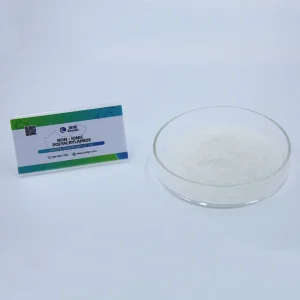
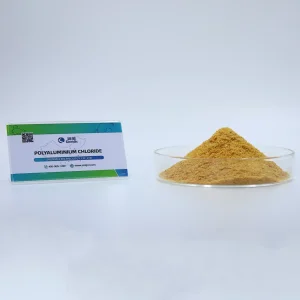
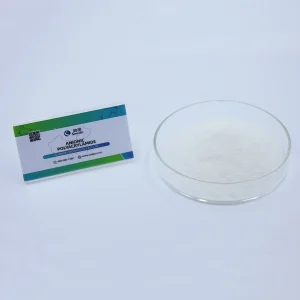
Polyaluminum Chloride (PAC) and Polyferric Sulfate (PFS) coagulants work alongside high-efficiency Anionic/Cationic Polyacrylamides (PAM) to aggregate micro-colloids and suspended organic compounds. This stage reduces Silt Density Index (SDI) and prevents physical membrane clogging.
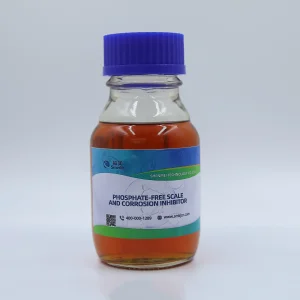
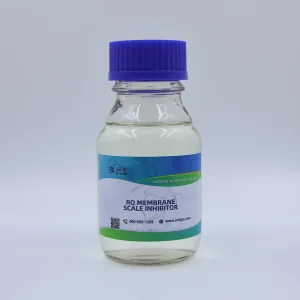
Dosing our advanced RO membrane scale inhibitors prevents scaling from calcium carbonate, sulfates, and silica. Maintaining an active, deposit-free polyamide surface preserves membrane charge properties, ensuring optimal electrostatic rejection of negatively charged PFAS molecules.
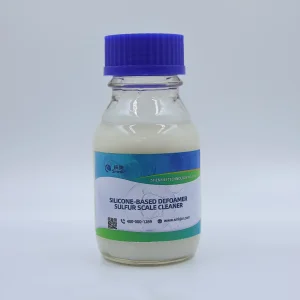
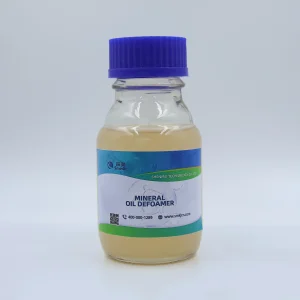
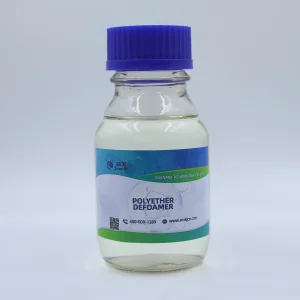
The resulting RO concentrate, containing high concentrations of PFAS and salts, undergoes thermal evaporation or advanced oxidation. Smedic's high-efficiency silicone and polyether defoamers collapse dense organic foams generated during concentration, ensuring safe and continuous processing.
Smedic Technology’s products are deployed across diverse sectors facing strict regulatory compliance demands. Our chemical solutions adapt to the specific feed water characteristics of each industry:
Treating municipal wastewater to satisfy strict drinking water standards and facilitate zero-liquid discharge (ZLD) reuse schemes. The combination of PAC/PAM flocculation with RO scale inhibitors guarantees consistent output and extends membrane lifespan.
Semiconductor manufacturing requires ultra-pure water free of trace organics down to parts-per-trillion levels. Smedic's phosphate-free antiscalants and high-purity water treatment agents prevent contamination of critical micro-component surfaces during washing stages.
Chemical plant wastewater contains high levels of salts, solvents, and fluorinated compounds. Our target-specific organic silicone and polyether defoamers manage severe foaming in concentration basins, while our scale inhibitors sustain RO systems operating under high pressure.
Established in 2011, Smedic Technology Co., Ltd. is a leading provider of environmental protection chemicals, integrating scientific research and development, large-scale production, global sales, and engineering support services. We deliver tailored chemical products, technical packages, and operational services to clients worldwide.
Smedic manufactures over 80 environmental protection products spanning municipal sewage treatment, industrial wastewater purification, drinking water purification, mineral processing, and oilfield chemistry. With an annual production capacity exceeding 1 million tons, we are positioned to support large-scale global environmental projects.
Smedic's corporate headquarters is based in Beijing, supported by wholly-owned, modern production bases in Hebei, Guizhou, and Shanxi. To ensure reliable regional supply, we operate over ten OEM partner facilities and strategic warehousing centers across Shandong, Shanxi, Anhui, Guangxi, and Sichuan provinces.
Operating in the water treatment sector requires absolute supply reliability. Smedic’s domestic chemical supply chain ensures consistent raw material access, cushioning global buyers from market shocks. With multiple production bases, we maintain uninterrupted production cycles and run testing on all batches—from raw material screening to final release. Our logistics network guarantees prompt delivery to major Chinese ports, ensuring efficient dispatch to global destinations.
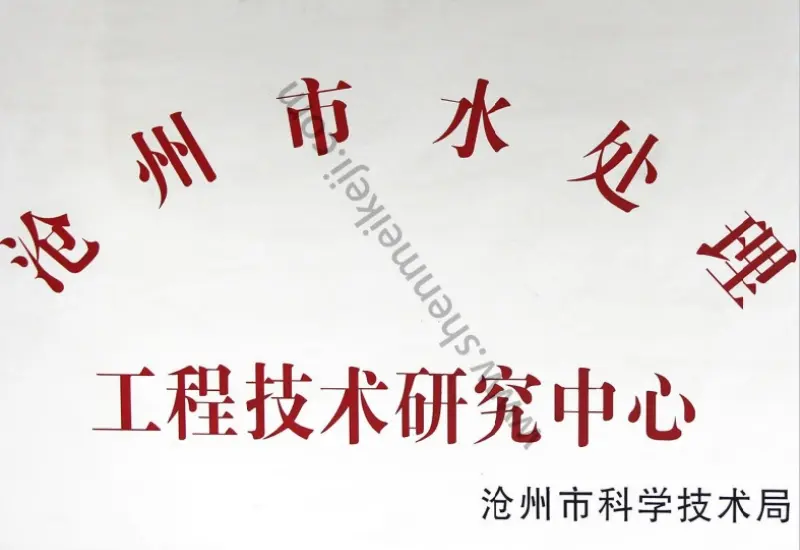
Innovation forms the foundation of Smedic’s business. We have established the Hebei Provincial Enterprise Technology Center, the Hebei Provincial Advanced Water Treatment Chemicals Technology Innovation Center, and the Cangzhou Water Treatment Engineering Technology Research Center, recognized as Class A R&D institutions in Hebei Province.
Our dedicated expert workstation operates in collaboration with the Tsinghua University Association of Senior Scientists and Technicians. Furthermore, we run joint R&D laboratories alongside Shandong University and the Beijing University of Technology, and act as a commercialization partner for Peking University and Tianjin University.
Our independently developed "Inorganic-Organic Covalent Bond Flocculant and Its Advanced Water Purification Technology" has received the 22nd China Patent Award and the First Prize for Technological Invention from the China Petrochemical Industry Association.
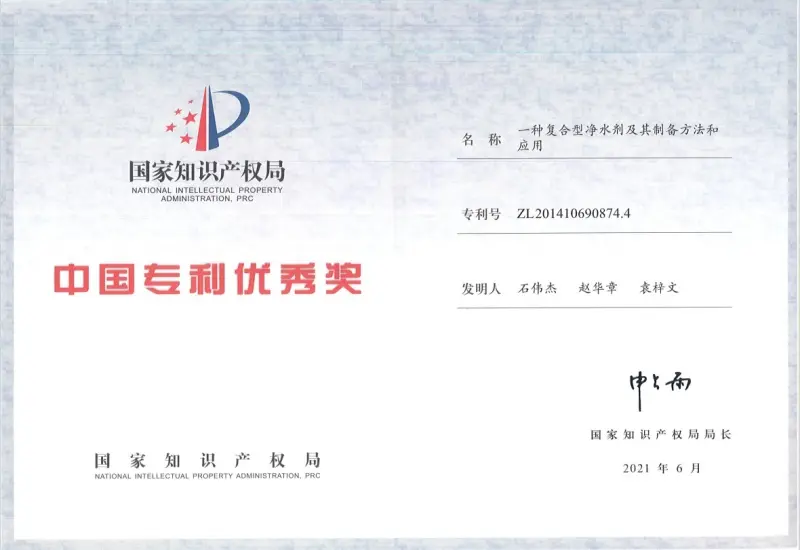
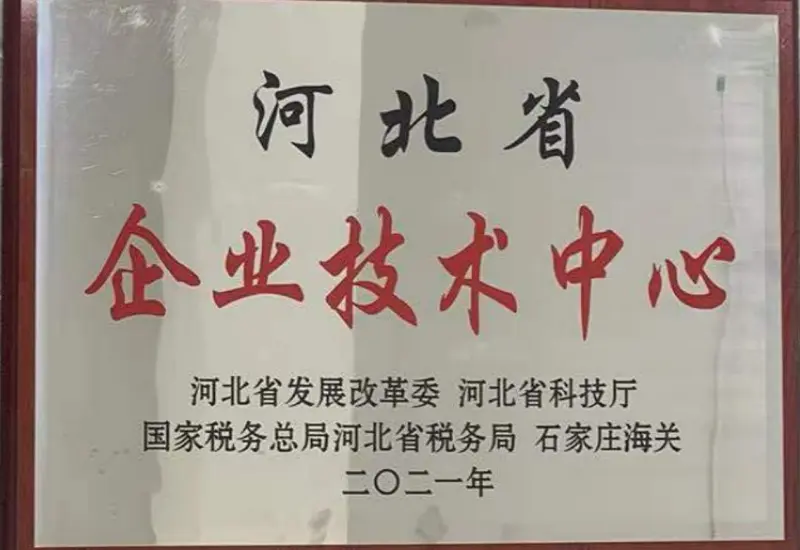
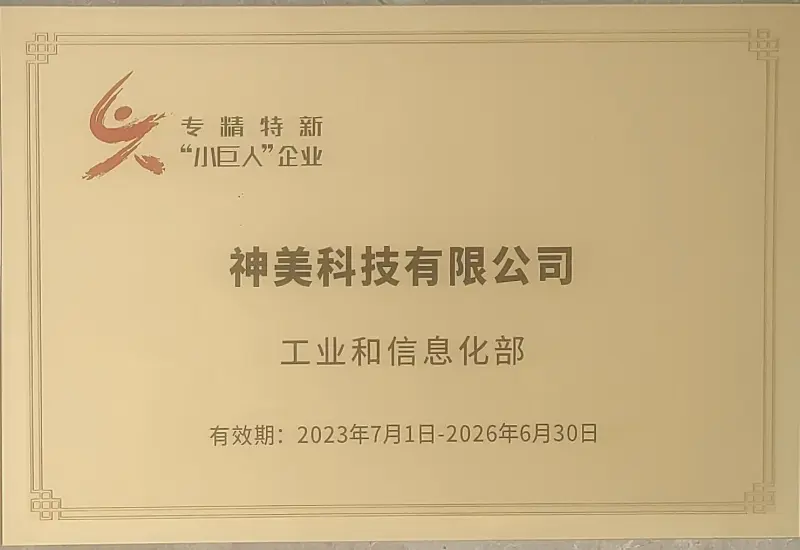
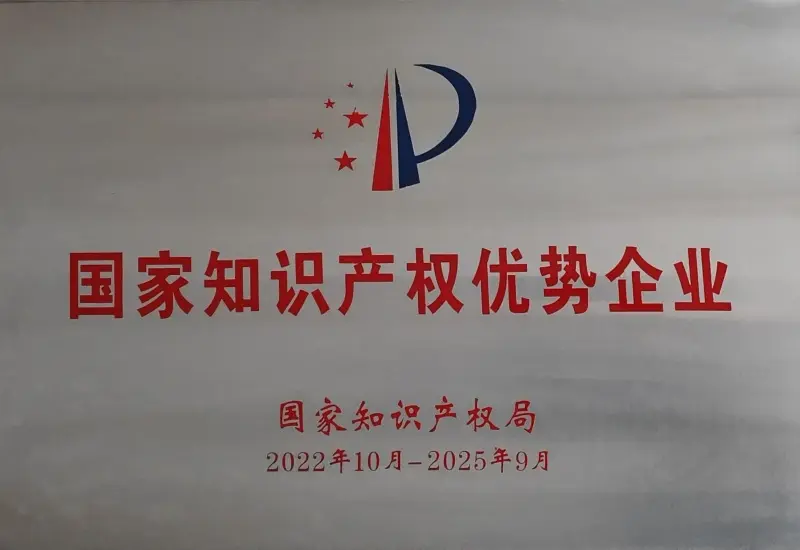
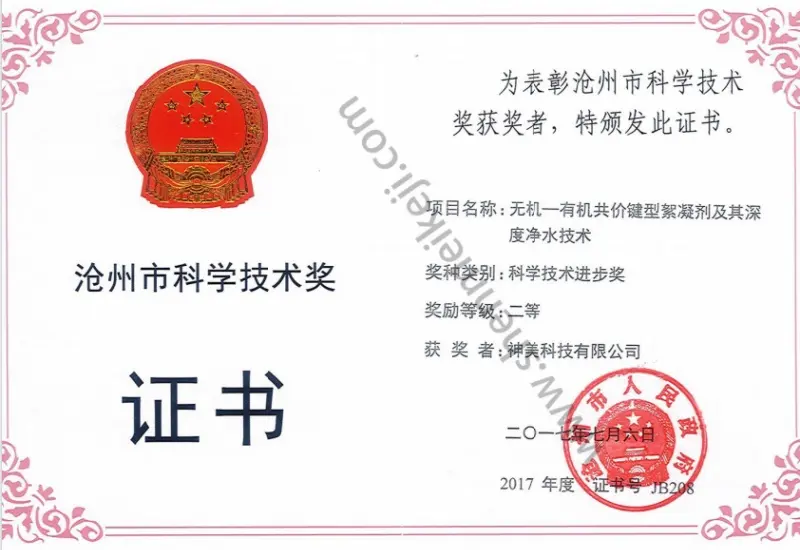
Smedic holds over 60 Chinese patents, including 40+ invention patents and 20+ utility model patents.
Smedic was founded, focusing on the research and development of environmental protection agents.
Established a comprehensive municipal wastewater treatment chemical portfolio.
Recognized as a key national high-tech enterprise, boosting R&D investments.
Expanded production capacity by establishing a major water treatment chemical base in Guiyang.
Completed expansions across Hebei, Shandong, and Guizhou, exceeding 1 million tons in total capacity.
Recognized as a National Specialized, Refined, Unique and Innovative Small and Medium-sized Enterprise.
Established a provincial-level R&D platform in Hebei to accelerate product development.
Awarded National Intellectual Property Advantage Enterprise status for outstanding patent portfolios.
Formed a joint venture with the Chengdu Institute of Mineral Comprehensive Utilization, China Geological Survey, to pioneer mineral processing reagents.
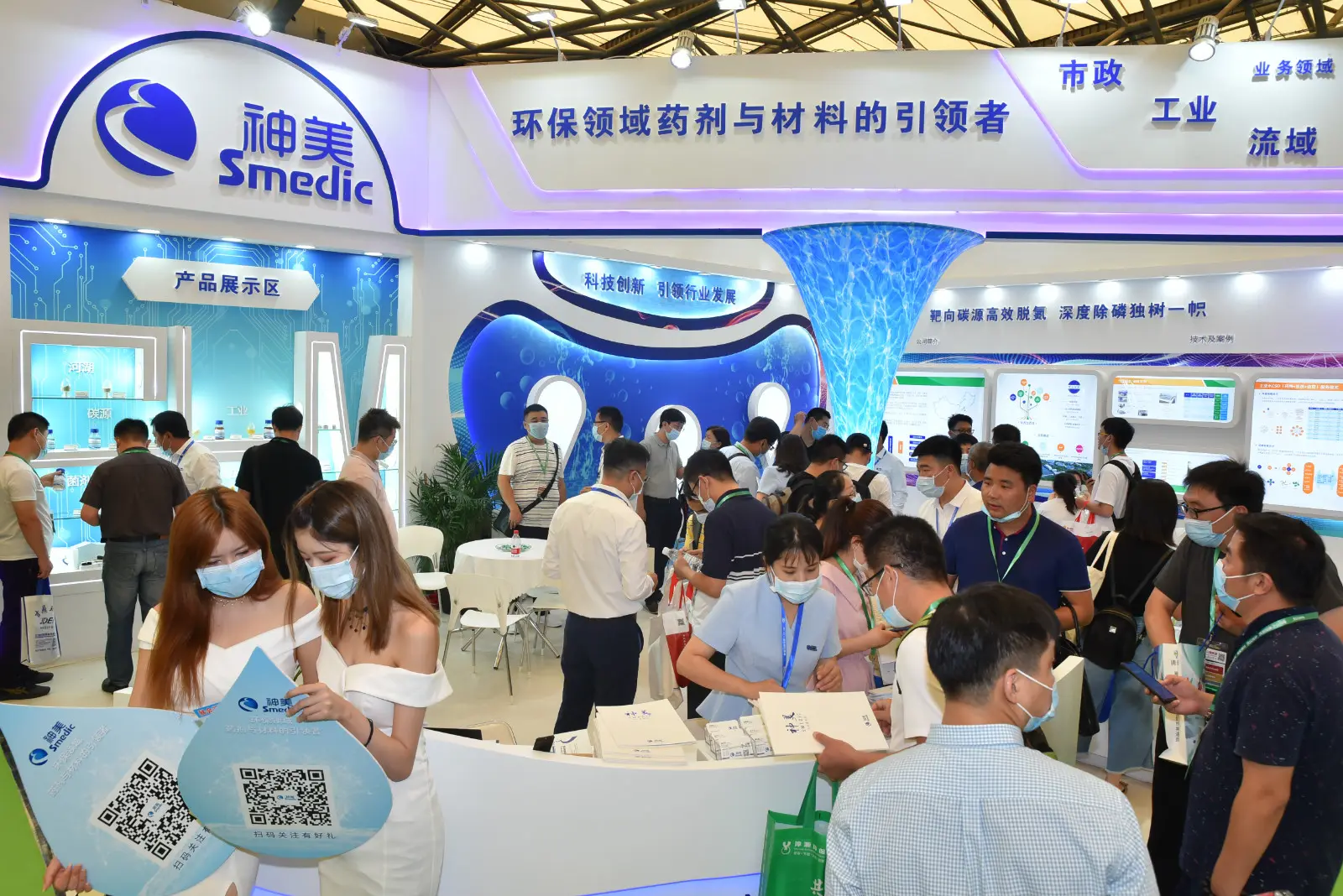
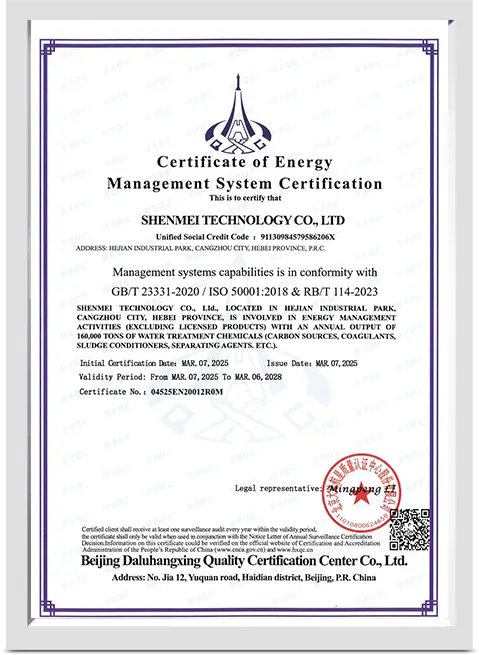
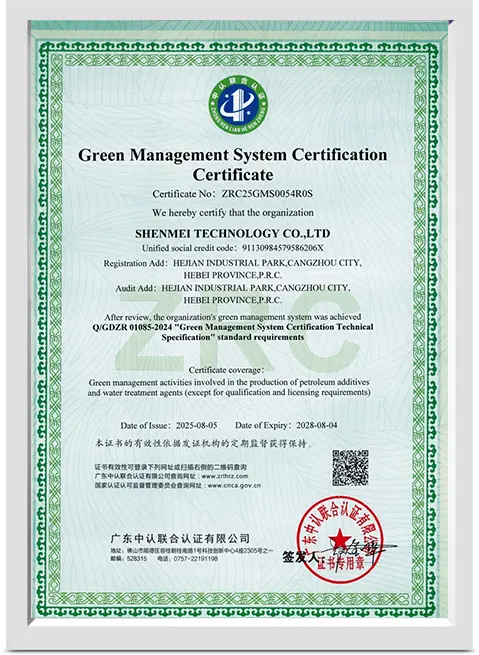
Our bio-enhanced denitrification carbon sources and deep multi-nuclear phosphorus removal agents have successfully passed scientific evaluations conducted by the Science and Technology Department of Hebei Province. Evaluated as "internationally advanced," these products fill critical technological gaps in local wastewater treatment.
Our "Active Oxygen Compound Disinfectant" has been recognized as a National Construction Industry Scientific and Technological Achievement Promotion Project by the Ministry of Housing and Urban-Rural Development. Smedic has been named the "Leading Brand of Advanced Wastewater Treatment Chemicals" and the "Most Valuable Water Treatment Chemicals Brand" by China Water Network and the E20 Environmental Platform for four consecutive years.
We maintain long-term partnerships with major water management corporations, including Shouchuang Ecological and Environmental Group, Yangtze River Ecological and Environmental Group, Beijing Enterprises Water Group, OriginWater, and China Water Environment Group.
Expert answers regarding the application, parameters, and operation of reverse osmosis chemistry for trace pollutant separation.
Yes, thin-film composite (TFC) reverse osmosis membranes achieve high rejection rates (often exceeding 95-99%) for short-chain PFAS like GenX (HFPO-DA) and PFBS. Rejection is driven by molecular size exclusion and electrostatic repulsion. To maintain these high rejection rates, keep the membrane surface free from mineral scale, as fouling layers can screen membrane charge and lead to increased contaminant passage.
Our scale inhibitors prevent calcium carbonate, calcium sulfate, barium sulfate, and silica from precipitating onto the active polyamide layer of the membrane. By interfering with crystal growth and dispersing mineral particulates, our inhibitors help maintain consistent water flux and stable operating pressure. This reduces the frequency of chemical cleanings (CIP), minimizing mechanical stress on the membrane and extending its service life.
RO membranes are highly sensitive to suspended solids, colloidal matter, and organic compounds, which cause rapid surface fouling. Using coagulants like Polyaluminum Chloride (PAC) and flocculants like Polyacrylamide (PAM) aggregates these impurities into larger flocs that can be easily removed by sand filters or ultrafiltration (UF) systems. This pre-treatment step lowers the Silt Density Index (SDI) of the feed water, protecting the RO system from physical fouling.
RO concentrate streams contain highly concentrated salts and organic compounds, which often generate stable, thick foam during thermal evaporation or advanced oxidation processes. Smedic provides specialized organic silicone and polyether defoamers designed for high-salinity and high-temperature conditions. These agents lower surface tension, collapsing existing foam and preventing gas-liquid entrainment in treatment vessels.
Yes. Supported by our provincial-level technology center and expert R&D teams, we analyze the feed water chemistry (including pH, conductivity, hardness, and specific organic pollutants) to formulate custom scale inhibitors, defoamers, and coagulants. This tailoring ensures optimal dosing rates and prevents chemical interactions that could compromise treatment performance.
High-performance formulations designed to resolve scaling, foaming, and flocculation challenges across municipal and industrial water treatment installations.
 Smedic Tech