Founded in 2011, Smedic Technology Co., Ltd. has established itself as an authoritative leader in environmental engineering and high-performance wastewater purification chemical manufacturing. Over more than a decade of research-driven progression, Smedic has evolved from a specialized formulation provider to a macro-scale industrial innovator. We operate as an integrated platform combining scientific Research and Development (R&D), massive manufacturing centers, global technical consulting, and turnkey chemical logistics. Our corporate mission is directed towards providing customized environmental agents that systematically resolve the complex effluents generated by municipal sewage structures, industrial wastewater treatment operations, tap water works, mining systems, and chemical-heavy oilfields.
Currently, Smedic markets more than 80 distinct types of environmental agent products, covering primary coagulants, highly specialized flocculants, non-toxic defoamers, eco-friendly carbon sources, advanced scales/corrosion inhibitors, and precise heavy metal capture chemistries. Backed by state-of-the-art synthetic pathways, our annual processing and formulation capacity has successfully exceeded 1 million tons, ensuring chemical feed supply integrity to thousands of industrial networks globally.
Smedic was officially established in Beijing, initiating its foundational R&D into industrial wastewater coagulant structures.
Formulated a complete structural portfolio of municipal wastewater purification agents, gaining large-scale municipal approvals.
Recognized officially as a key national high-tech enterprise, pioneering high-performance environmental chemical innovations.
Inaugurated a dedicated strategic chemical processing and water treatment logistics hub in Guiyang to optimize supply lines.
Expanded core manufacturing platforms across Hebei, Shandong, and Guizhou, boosting aggregate production capacity to over 1 million tons.
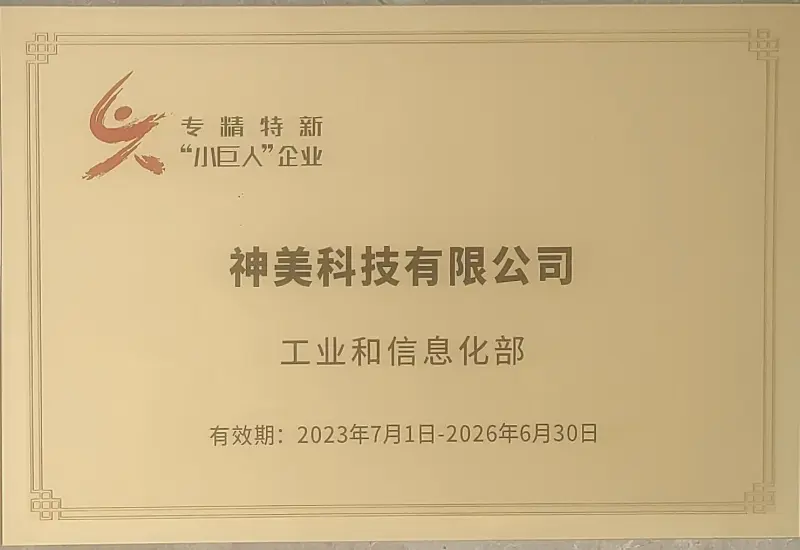
Accredited as a National Specialized, Refined, Unique and Innovative Small and Medium-sized Enterprise ("Little Giant" status).
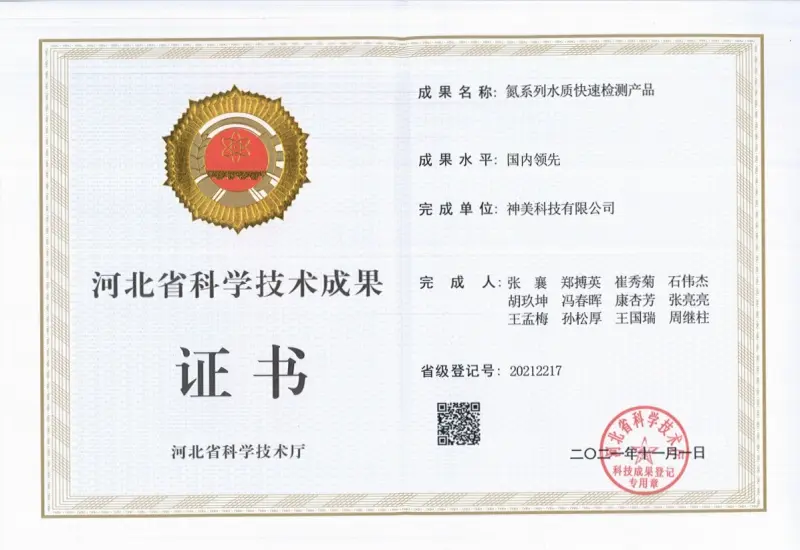
Commissioned a provincial-level R&D platform in Hebei, integrating multi-university laboratories for molecular synthesis.
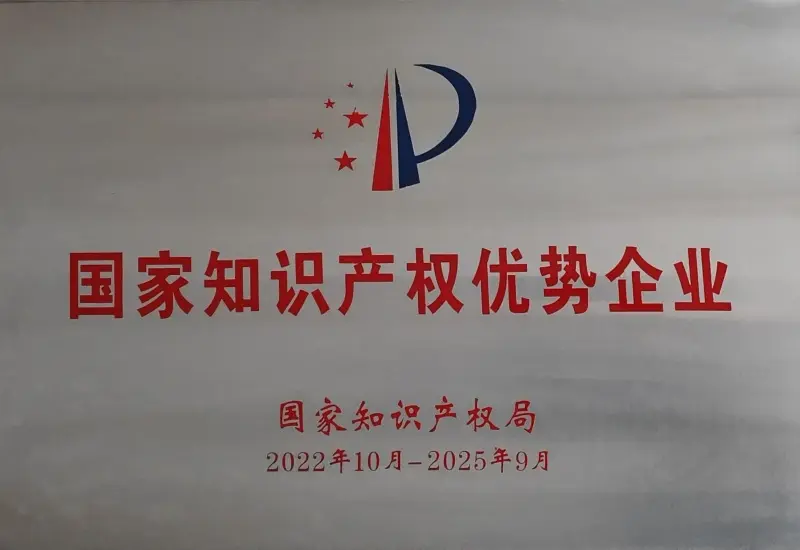
Awarded the prestigious title of National Intellectual Property Advantage Enterprise for securing major domestic and international patents.
Forged a joint venture with the Chengdu Institute of Mineral Comprehensive Utilization (China Geological Survey) to develop next-generation bio-reagents.
Headquartered in the political and technology hub of Beijing, Smedic Technology operates a sophisticated manufacturing and distribution infrastructure across China. Our wholly-owned, standardized manufacturing plants are geographically distributed in Hebei, Guizhou, and Shanxi. To complement this, we have consolidated our logistics by establishing more than ten OEM production partners and regional distribution hubs across Shandong, Shanxi, Anhui, Guangxi, and Sichuan. This grid ensures that our network effectively services municipal and industrial needs across more than 20 provinces.
In the domestic market, Smedic's dynamic solutions directly power the treatment systems of over 600 municipal sewage treatment facilities and maintain robust collaborative associations with over 1,000 industrial entities in minerals, petrochemicals, energy, and steel. The combined daily sewage purification operations managed using Smedic agents exceed 20 million metric tons per day. Our scale establishes us as a trusted market leader within the premium segment of industrial environmental chemicals.
Provinces covered by regional logistics centers
Urban sewage treatment facilities powered by Smedic
Active heavy industrial and municipal end-users
Tons per day of wastewater purified with our reagents
Smedic Technology utilizes China's advanced chemical manufacturing base to deliver significant advantages to global procurement managers:
By locating production hubs near key mineral regions (e.g., Shanxi for calcium/carbonates, Guizhou for phosphorus, and Hebei for organic polymers), Smedic secures stable, low-cost raw materials. This structural security protects our international clients from the market volatility common in other regions.
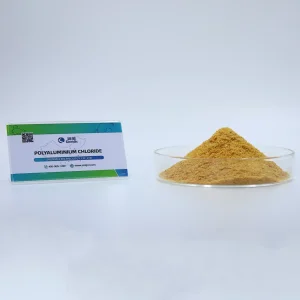
Our plants utilize automated DCS (Distributed Control Systems) to monitor every phase of synthesis. This control maintains high purity standards across large runs of complex polymers, such as Polyacrylamide (PAM) and Polyaluminum Chloride (PAC), ensuring performance batch after batch.
Our distribution hubs are strategically positioned near major maritime ports like Tianjin and Qingdao, and are supported by robust rail connections. This infrastructure allows us to manage bulk shipping and custom packaging efficiently, keeping international transit times short.
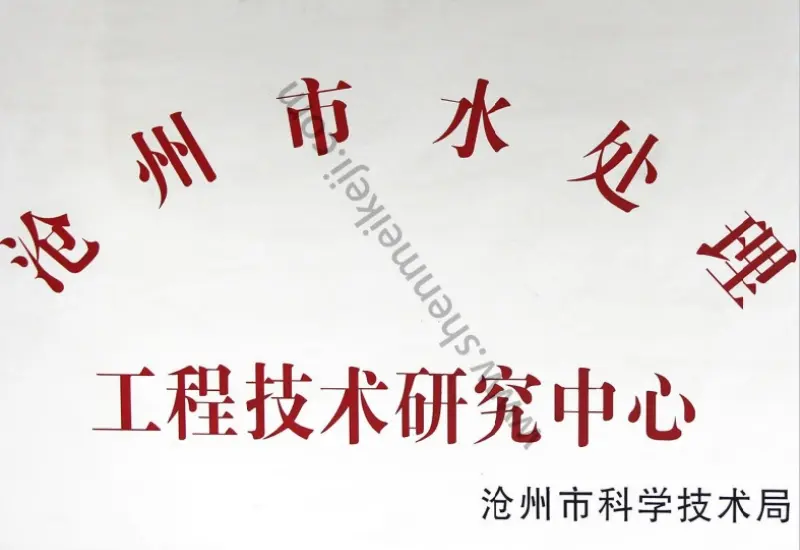
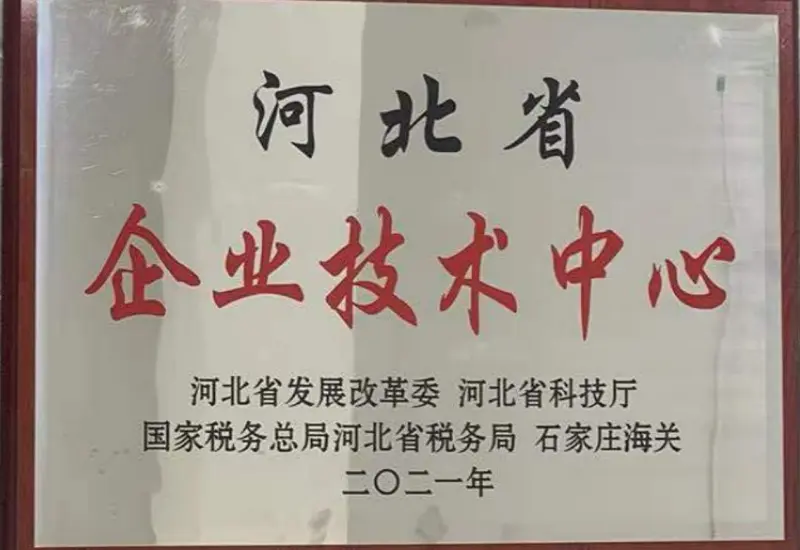
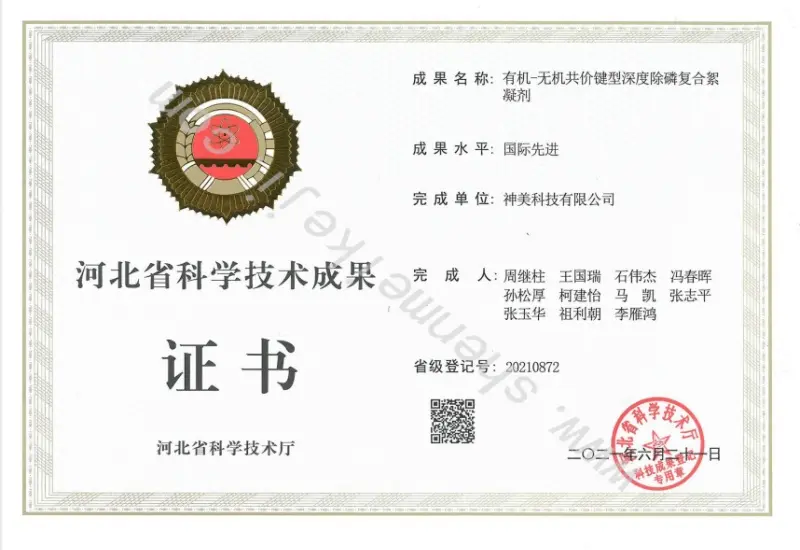
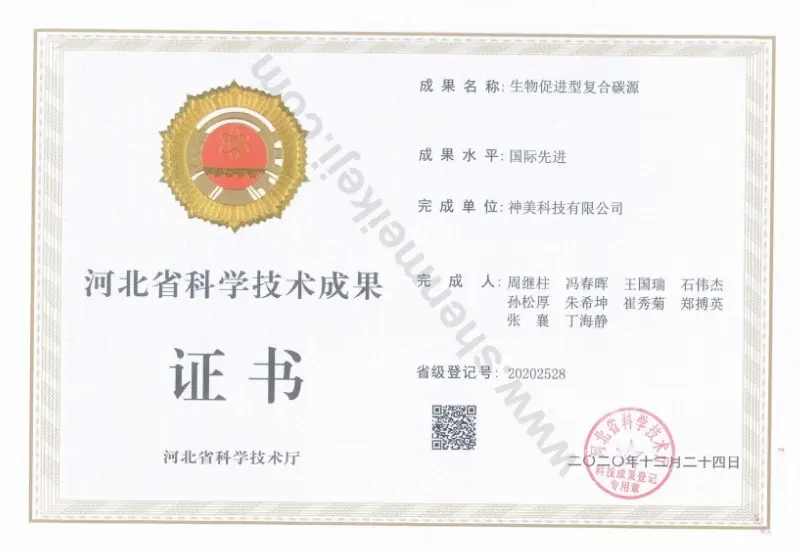
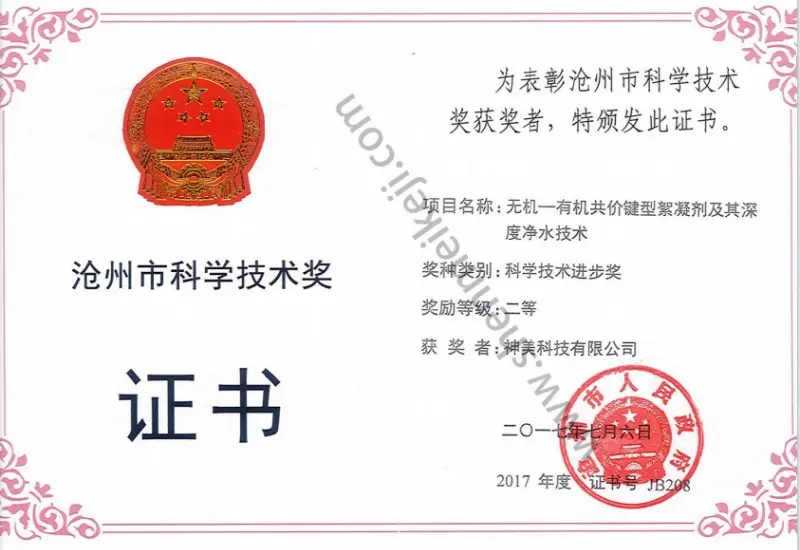
Our quality control and technological innovation are backed by top-tier credentials, including National High-Tech Enterprise status and recognition as a Specialized, Refined, Unique and Innovative "Little Giant" enterprise. We also operate certified Green Factories, demonstrating our commitment to sustainability at every level.
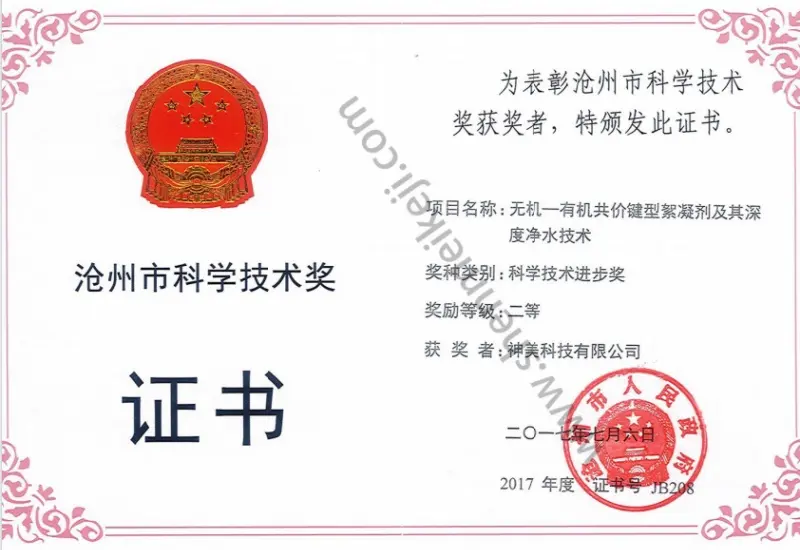
We maintain an advanced R&D pipeline structured around one academy, three research institutes, and five testing bases. Our collaborations with institutions like Tsinghua University (Senior Scientists Workstation), Shandong University, and Beijing University of Technology keep us at the forefront of polymer chemistry. We also act as the commercialization partner for water-treatment research from Peking University and Tianjin University, converting laboratory innovations into practical industrial solutions.
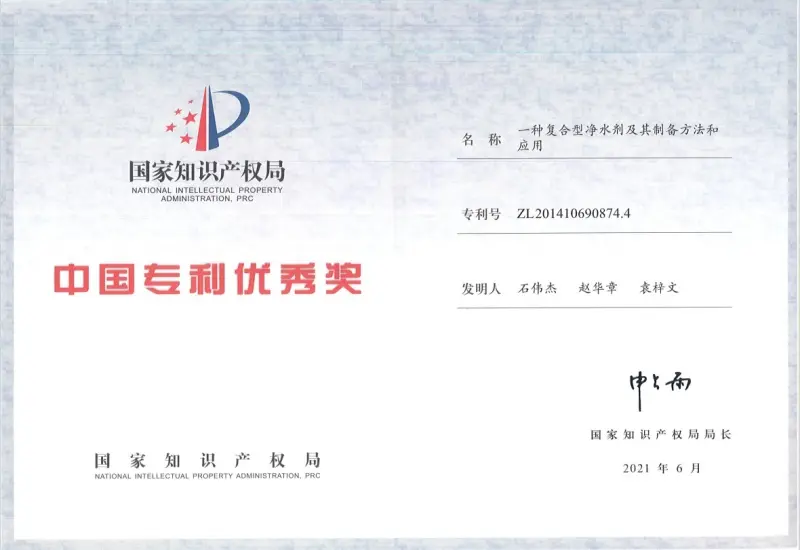
Our intellectual property portfolio includes over sixty Chinese patents, comprising more than forty invention patents and twenty utility patents. Smedic has also contributed to drafting ten national and industry standards for chemical carbon sources, composite coagulants, sodium acetate, and microbial wastewater agents.
Industrial manufacturing produces complex, variable wastewater streams that require targeted treatment strategies. Standard agents often fail to handle these multi-layered contaminants. Smedic addresses these challenges with specialized formulations designed to target specific pollutants at the molecular level:
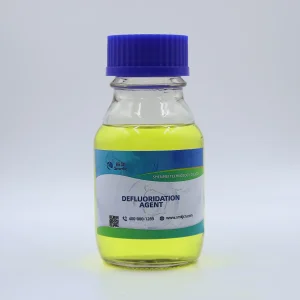
Effluents from semiconductor manufacturing, metallurgical processing, and glass etching typically contain high concentrations of fluorides. Smedic's Specialized Fluoride Removal Agents use adsorption and co-precipitation to reduce fluoride levels to below 1 mg/L, complying with strict local discharge regulations.
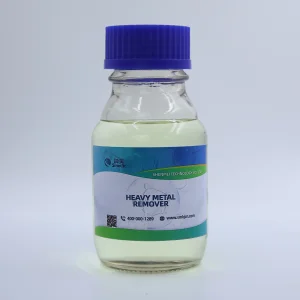
Electroplating, chemical synthesis, and mining wastewater often carry dissolved toxic metals like nickel, copper, lead, and cadmium. Our chelating agents isolate these ions even in the presence of competing ligands, forming stable, insoluble precipitates that are easily filtered out.
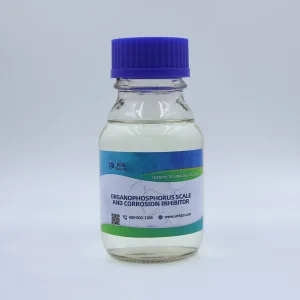
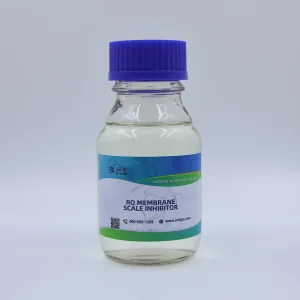
Reverse Osmosis (RO) systems and cooling water circuits are prone to mineral scaling and organic fouling. Smedic's RO Membrane Scale Inhibitors and organophosphorus compounds prevent scale deposition on membrane surfaces, maintaining system flux and extending membrane service life.
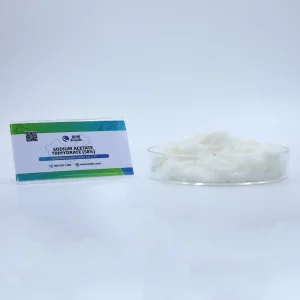
Modern biological wastewater plants must manage high nitrogen levels. When wastewater lacks carbon, denitrifying bacteria cannot fully convert nitrate to nitrogen gas. Smedic's Pure Solid Sodium Acetate serves as an direct biological carbon source, offering fast absorption rates that speed up denitrification and improve total nitrogen removal.
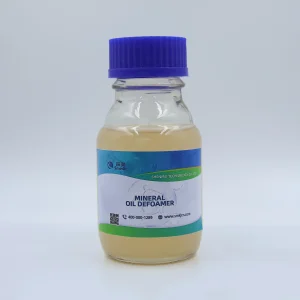
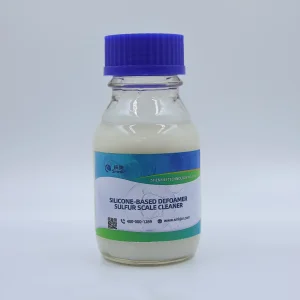
In industrial bioreactors, foam can disrupt processing and damage biomass. Smedic produces both mineral-oil and organic silicone defoamers. These formulations are designed to control foam across a wide range of temperatures and pH levels, protecting biological processes without interfering with oxygen transfer.
The international water treatment chemical market is moving toward more environmentally friendly, targeted chemistry. Traditional, metal-heavy formulations are being replaced by bio-based carbon sources and phosphate-free scale inhibitors to avoid secondary environmental impacts.
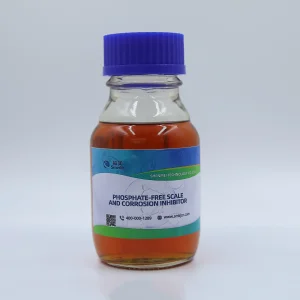
To support these goals, Smedic has developed phosphate-free scale and corrosion inhibitors that prevent mineral deposition without contributing to eutrophication in local waterways. Additionally, our R&D team is developing smart chemical dosing systems that coordinate with IoT sensor grids to adjust chemical volume in real-time, reducing chemical consumption and optimizing plant operations.
For international procurement managers, maintaining a reliable supply chain is critical. Supply interruptions can lead to compliance issues or unplanned plant shutdowns. Smedic manages these risks through strategically placed manufacturing plants, regional warehousing, and partnerships with global shipping networks. We provide reliable shipping containers, bulk options, and clear technical documentation to ensure our agents reach your facilities safely and on schedule.
Whether upgrading a municipal treatment system in the EU to meet tighter nutrient discharge rules, or managing scaling challenges at a mining site in South America, Smedic designs customized products and service solutions to match your water characteristics, operating temperatures, and equipment specifications.
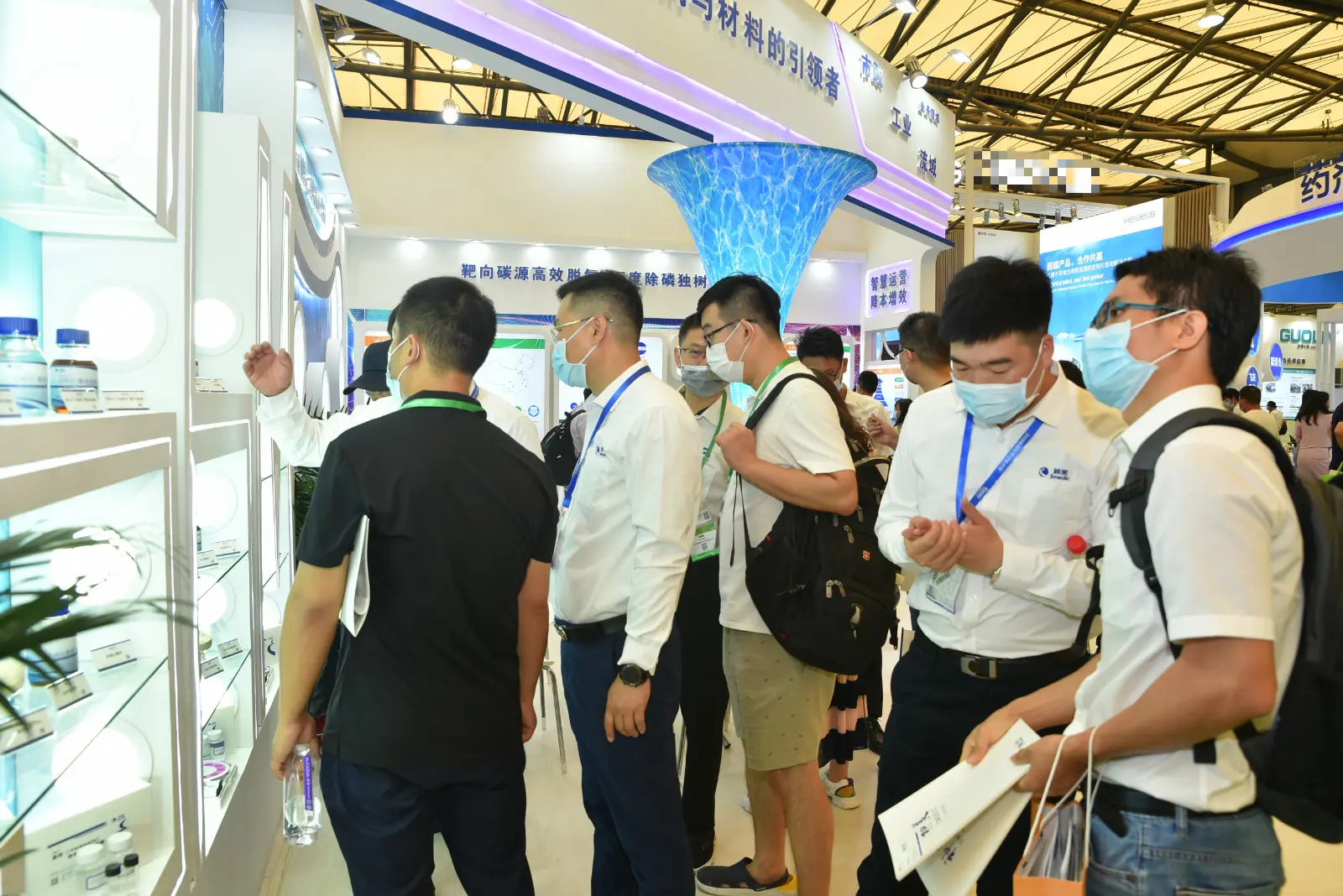
Our engineers have compiled answers to common technical questions to help you select, dose, and optimize your water treatment chemical processes:
 Smedic Tech