Explore our specialized range of coagulants, flocculants, and high-efficacy membrane formulations manufactured at our certified production bases.
Membrane separation technologies—primarily Reverse Osmosis (RO), Nanofiltration (NF), and Electrodialysis Reversal (EDR)—have become the cornerstone of modern industrial water treatment, municipal wastewater reclamation, and seawater desalination. However, the performance and operational life of these membrane systems are continuously threatened by the precipitation of sparingly soluble inorganic salts. As pure water passes through the membrane, the concentration of dissolved ions in the feed stream increases, exceeding their solubility limits and causing crystallization on the membrane surface.
Common scaling culprits include calcium carbonate (CaCO₃), calcium sulfate (CaSO₄), barium sulfate (BaSO₄), strontium sulfate (SrSO₄), and complex silica matrices. These deposits act as a physical barrier, restricting permeate flux, increasing operating pressures (and therefore energy consumption), and causing irreversible physical damage to the delicate polymeric active layer of the membranes.
As a leading ODM Membrane Antiscalants Manufacturer and Supplier, Smedic Technology designs and produces highly concentrated chemical formulations that target the fundamental kinetics of crystal nucleation and growth. Our formulations utilize advanced polymers, polycarboxylic acids, and organophosphonates to deliver multi-faceted scaling prevention mechanisms:
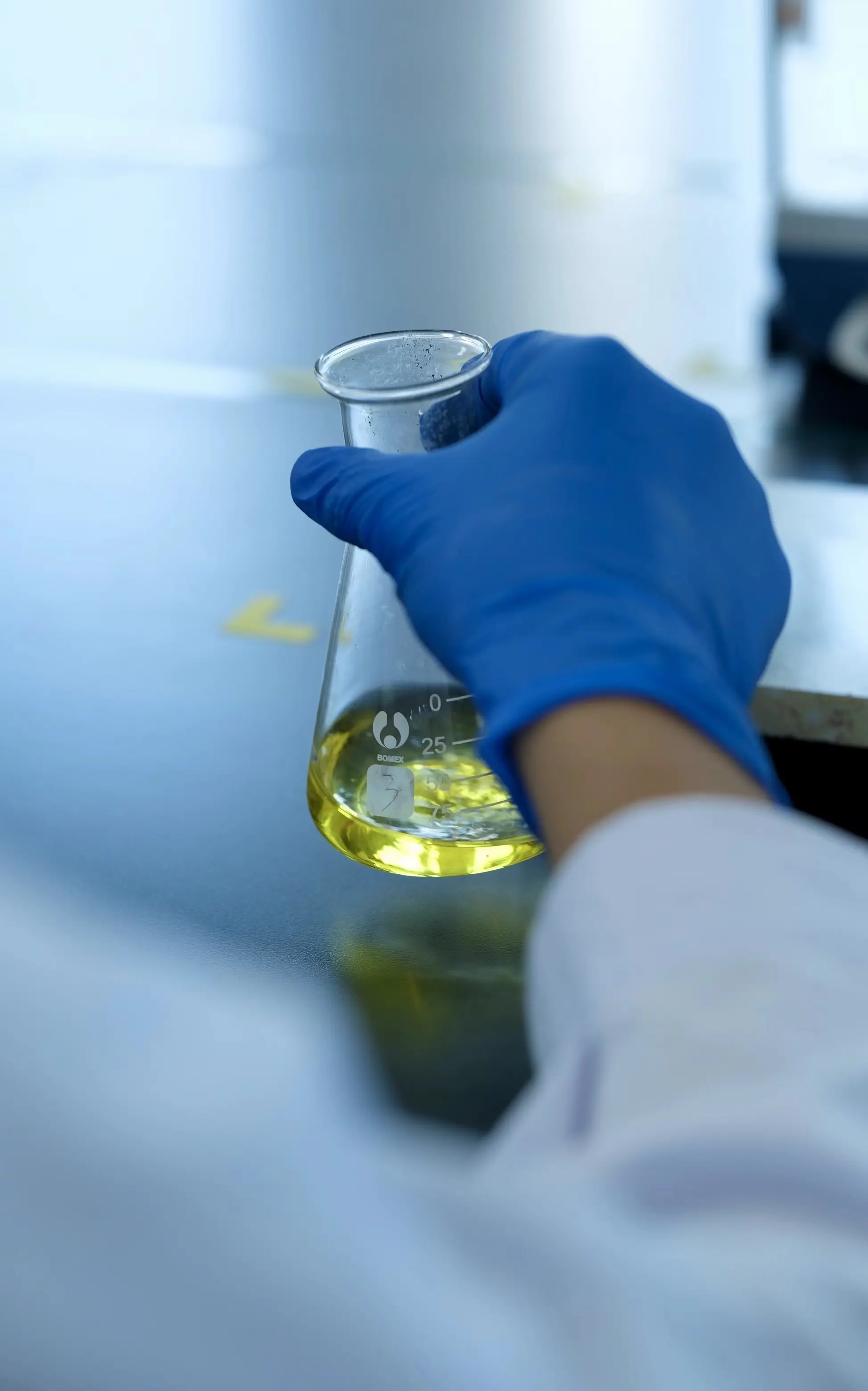
Established in 2011, Smedic Technology is a comprehensive, world-class environmental protection chemicals manufacturer integrating advanced R&D, mass production, global sales, and professional engineering services.
Our corporate headquarters is located in Beijing, we have multiple wholly-owned production bases in Hebei, Guizhou, Shanxi, and other regions, and have set up more than ten OEM partner factories and regional warehousing and logistics bases in Shandong, Shanxi, Anhui, Guangxi, and Sichuan provinces, among others. Our business and service network covers over 20 provinces across China. Our projects involve more than 600 urban sewage treatment plants and over 1,000 end customers in industrial wastewater treatment, mineral processing, and oilfield chemicals. The total sewage treatment capacity involved in the projects exceeds 20 million tons per day. We are a leading company in the Chinese market within the high-end segment of environmental protection chemicals for municipal and industrial wastewater treatment.
Smedic operates at the absolute cutting edge of polymer and membrane science. We have obtained prestigious qualifications such as the National High-tech Enterprise, the National Specialized, Refined, Unique and Innovative "Little Giant" Enterprise, and the Hebei Province Green Factory designation. These labels reflect our commitment to sustainable chemistry and superior manufacturing practices.
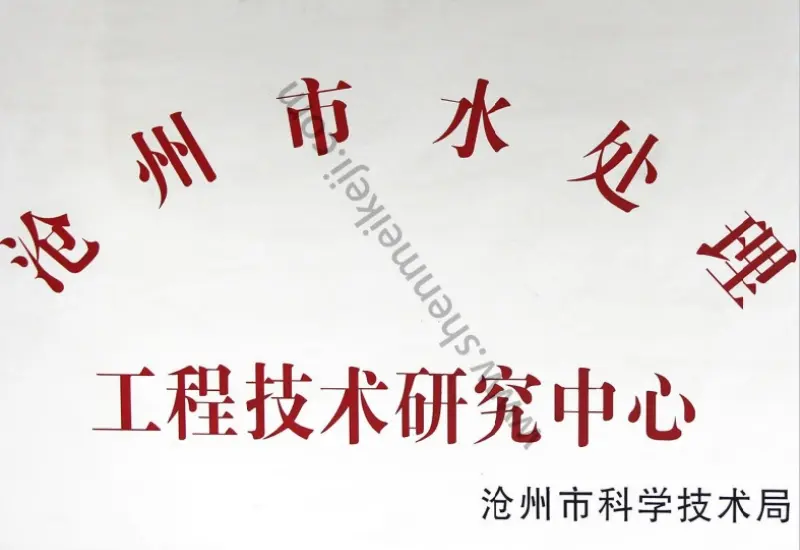
Our core technical team comprises senior academics, water treatment experts, chemical professors, and professional engineers. We have built a multi-layered innovation system centered around one academy, three research institutes, and five production bases. This infrastructure is officially recognized as the Hebei Provincial Enterprise Technology Center and the Cangzhou Water Treatment Engineering Technology Research Center.
To ensure high information gain and industry-leading performance, we work in close cooperation with leading research institutions. We have established an expert workstation with the Tsinghua University Association of Senior Scientists and Technicians, and maintain joint R&D laboratories with Shandong University and the Beijing University of Technology. We also serve as the primary commercialization partner for the research output of Peking University and Tianijn University.
Our intellectual property is robust and constantly expanding, guaranteeing proprietary advantages to our global ODM partners:
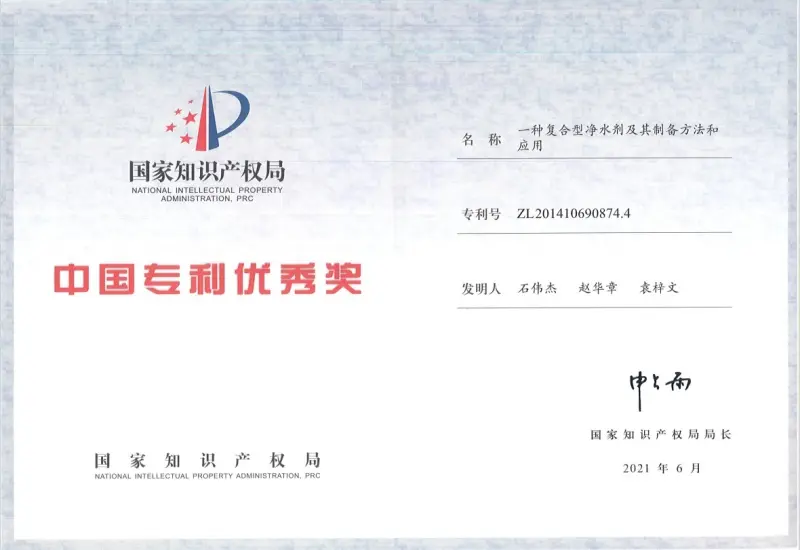
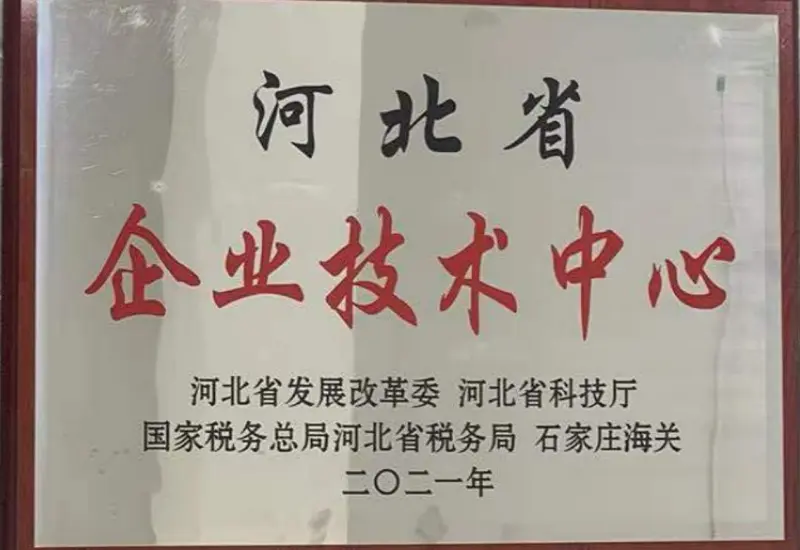
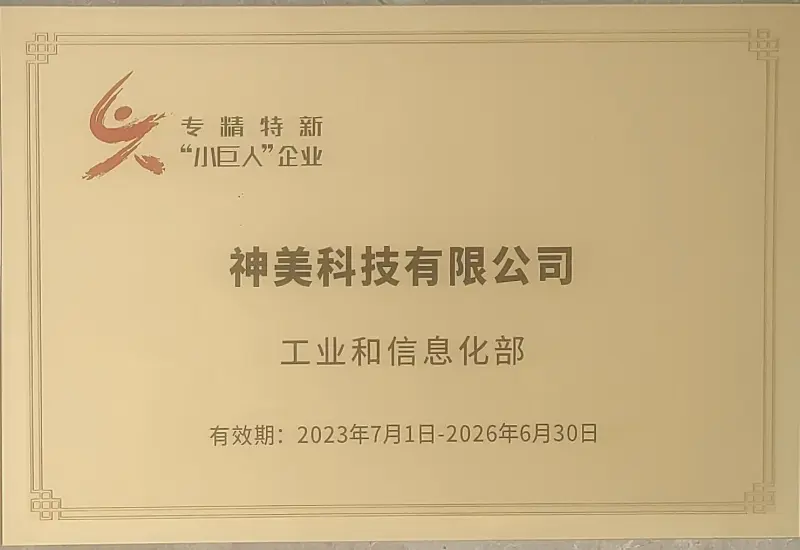
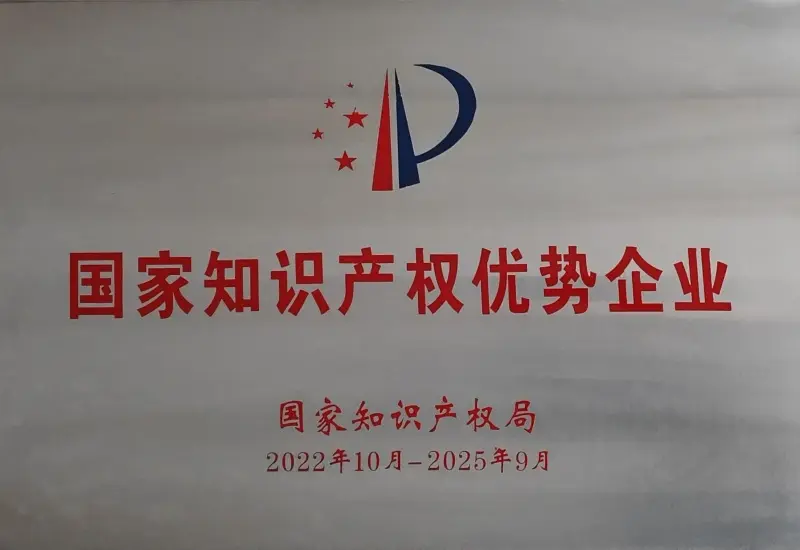
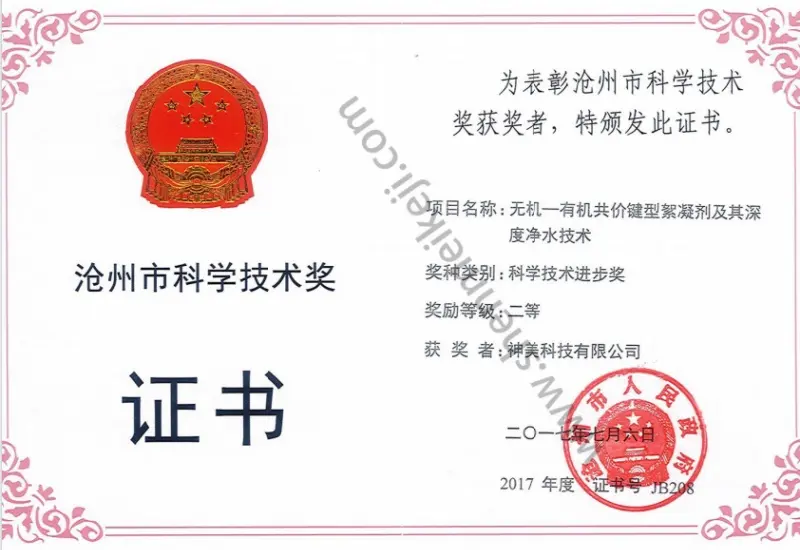
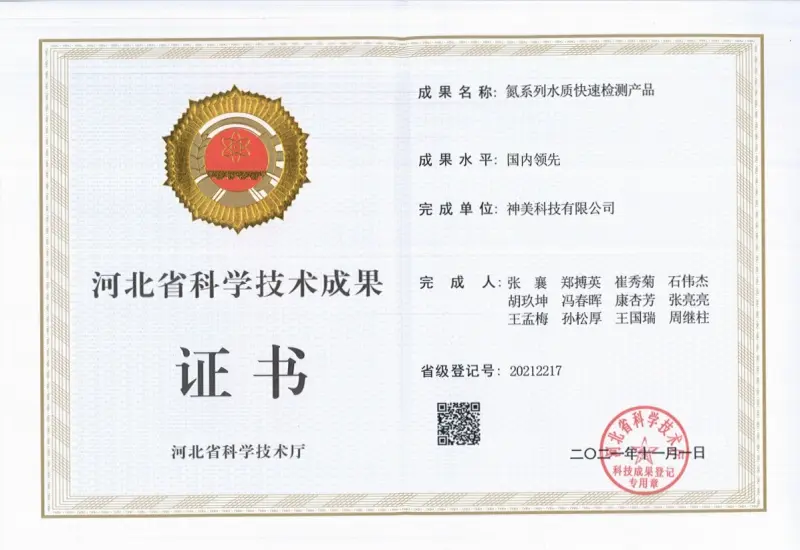
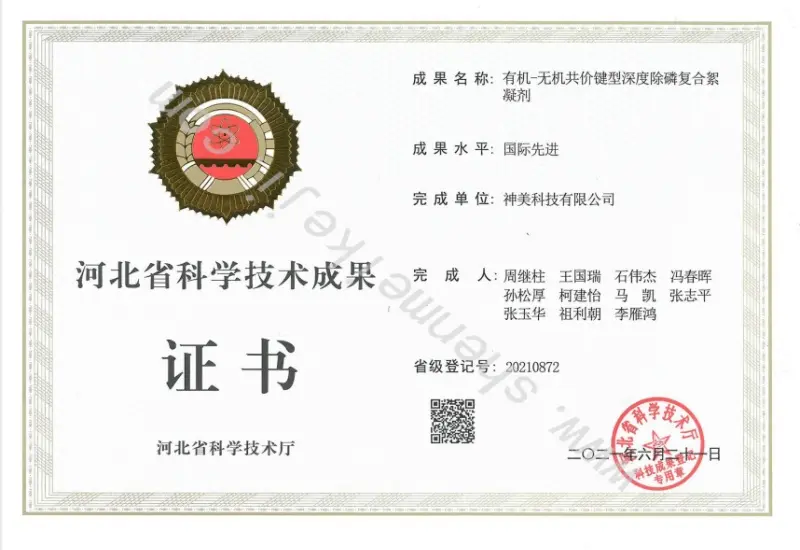
Why multinational enterprises and engineering procurement construction (EPC) companies rely on Smedic as their primary ODM manufacturing partner.
China produces a significant percentage of the world's raw chemical intermediates. By maintaining direct integration with major primary domestic sources, Smedic secures stable, low-cost access to key antiscalant precursors like phosphonates, polycarboxylic polymers, and specialty green additives.
With wholly-owned production bases in Hebei, Guizhou, and Shanxi, plus ten partner factories across Shandong, Anhui, and Sichuan, Smedic eliminates single-point-of-failure risks. Our annual capacity exceeding 1 million tons ensures rapid order fulfillment even during global supply chain crises.
Our strategically distributed warehouses near major Chinese shipping ports (including Tianjin, Qingdao, and Shanghai) enable optimized transit times, reduced shipping costs, and flexible export customs clearance. We provide comprehensive export documentation, including GHS-compliant SDS, COAs, and Bill of Lading management.
Industrial water treatment parameters vary widely across geographies. A standard off-the-shelf antiscalant formulation that works in European municipal water might fail miserably in high-silica Middle Eastern brackish water or deep Canadian mining process loops. Smedic’s ODM (Original Design Manufacturer) service solves this fragmentation by offering customized chemical synthesis.
We work directly with international engineering firms to custom-formulate antiscalants based on their feed water chemistry reports. We adjust active content percentages (typically from 10% to 50% concentrations), optimize pH buffering capacities, and select specific threshold active agents that prevent targeted scale components. This reduces chemical consumption, lowers freight weight, and guarantees local performance parameters.
From a localized specialist chemical producer to an international green chemical manufacturing powerhouse.
Smedic Technology was established in Beijing, introducing core water treatment formulation services.
Established a complete and comprehensive portfolio of environmental chemicals, catering to municipal sewage sectors.
Awarded the prestigious National High-tech Enterprise designation, reflecting our focus on proprietary R&D.
Completed major expansion projects across Hebei, Shandong, and Guizhou production bases, pushing annual output capacity past 1 million tons.
Recognized as a National Specialized, Refined, Unique and Innovative Small and Medium-sized Enterprise by the Ministry of Industry and Information Technology.
Formed a collaborative venture with the Chengdu Institute of Mineral Comprehensive Utilization, China Geological Survey, expanding our capacity into specialized mineral processing reagents.
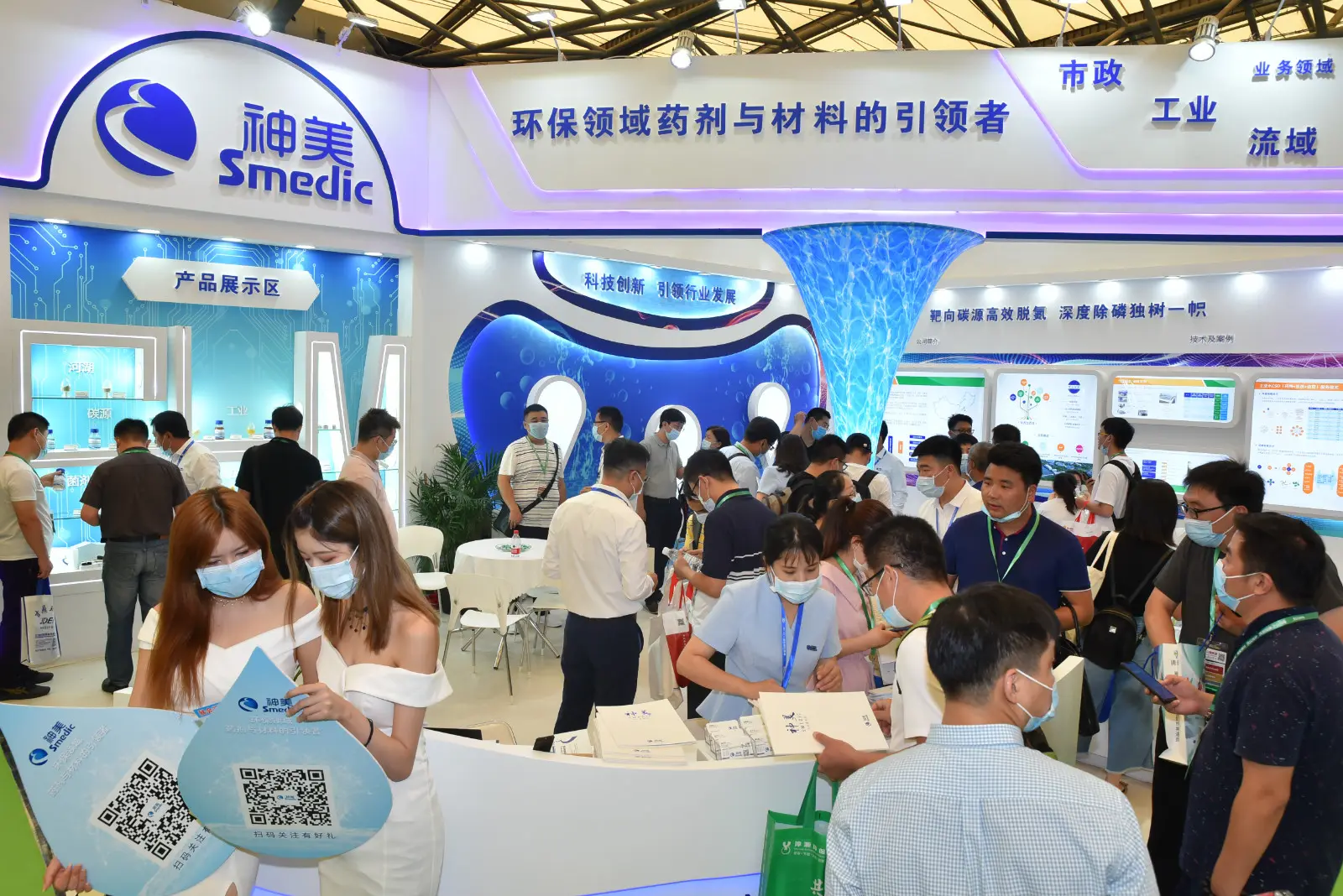
Navigating international regulatory frameworks is one of the most critical aspects of global chemical procurement. Smedic maintains a dedicated compliance department to ensure that our ODM membrane antiscalants and water treatment formulations comply with local environment, health, and safety laws across different markets.
For European markets, we assist our partners in navigating REACH registrations and environmental compliance directives. In North America, we align with EPA regulations and provide NSF/ANSI Standard 60-compatible formulations for potable water applications. For other global markets, we guarantee complete alignment with GHS labeling requirements, ensuring Safety Data Sheets (SDS) are provided in localized languages and specific formats.
Our local technical support extends to on-site testing. We recognize that lab results must translate to the field. Our application engineers provide pilot-scale evaluation protocols, membrane autopsy services to analyze fouled elements, and real-time dosing optimization services to ensure our clients achieve the lowest possible total cost of operation (TCO).
Understanding the transition towards phosphorus-free, green chemistry, and ultra-high recovery RO configurations.
Eutrophication of natural water bodies—caused by the discharge of phosphorus-rich effluents—has led to stringent regulatory limits on phosphorus levels in industrial brine discharges. Traditionally, phosphonates like ATMP, HEDP, and PBTC have been the primary active ingredients in RO antiscalants due to their excellent calcium carbonate control. However, the industry is rapidly transitioning toward biodegradable, phosphorus-free alternatives. Smedic has developed advanced polyaspartic acid (PASP) and polyepoxysuccinic acid (PESA) formulations that deliver equivalent threshold inhibition without contributing to environmental phosphorus loading.
Water scarcity and strict environmental laws are forcing industries to maximize wastewater reuse, pushing RO systems to operate at recovery rates of 85% to 95%, or transitioning entirely to Zero Liquid Discharge (ZLD). At these extreme recovery rates, the concentration factor of scaling ions increases exponentially. Traditional antiscalants fail because the precipitation kinetics accelerate. Smedic’s R&D has engineered high-performance multi-polymer formulations capable of preventing scale deposition even under extreme saturation indices (e.g., Langelier Saturation Index > 2.5 and calcium sulfate concentrations exceeding 4x saturation).
A common cause of rapid membrane fouling is the incompatible interaction between cationic polymeric flocculants carried over from pre-treatment clarifiers and anionic antiscalants dosed before the RO membranes. This interaction forms a sticky, gelatinous complex that plugs membrane spacers. Smedic’s integrated product portfolio allows us to supply both the pre-treatment coagulants/flocculants and the downstream antiscalants, ensuring chemical compatibility and preventing chemical-induced membrane fouling.
Real-world engineering challenges solved by Smedic's customized water treatment chemicals.
In Northern China's coal chemical projects, feed water contains high levels of silica and hardness. Smedic customized a specific silica-dispersant antiscalant that allowed the RO systems to operate stably at 90% recovery, significantly reducing the size and cost of the downstream thermal evaporators.
Over 600 urban sewage treatment plants utilize Smedic coagulants and advanced membrane antiscalants to convert municipal effluents into high-grade industrial cooling tower make-up water, reducing freshwater extraction in water-stressed urban centers.
Working in conjunction with the Chengdu Institute of Mineral Comprehensive Utilization, we develop mining-specific antiscalants and mineral flotation agents that handle acid mine drainage containing heavy metal concentrations and extreme sulfate scaling risks.
Expert insights on troubleshooting scaling, optimization of dosage rates, and choosing the right ODM antiscalant.
The optimal dosage depends on several raw feed water parameters: temperature, pH, recovery rate, and specific concentrations of scaling ions (calcium, magnesium, sulfate, barium, strontium, silica, and iron). Smedic uses proprietary projection software to simulate the scaling potential (calculating indices like LSI and S&DSI) across different membrane elements. Typically, dosage rates range from 2 to 6 mg/L (ppm) in the feed water. Under-dosing leads to rapid scaling, while over-dosing can cause fouling due to the antiscalant polymer itself reacting with divalent cations.
OEM (Original Equipment Manufacturer) services focus on manufacturing products based on your exact provided chemical formulation, specifications, and packaging designs. ODM (Original Design Manufacturer) services involve Smedic designing, testing, and formulating the product for you. If you have a target water source with unique scaling chemistry but lack the lab facilities to develop the polymer formulation, our R&D team designs the custom formula under our ODM framework, providing a turnkey product ready for distribution.
Yes. Our antiscalants are designed using high-purity raw materials and are fully compatible with polyamide composite membranes from all leading global manufacturers (such as DuPont FilmTec, Hydranautics, Toray, and Toyobo). They do not coat the membrane active layer or cause loss of salt rejection when applied within the recommended dosage limits.
Our quality assurance program spans raw material verification to final product release. Every single batch of antiscalant undergoes analysis for active content percentage, density, pH, viscosity, and iron content. We maintain retention samples for all shipped batches for a minimum of two years to ensure complete traceability. Our manufacturing facilities operate under strict ISO 9001, ISO 14001, and ISO 45001 management systems.
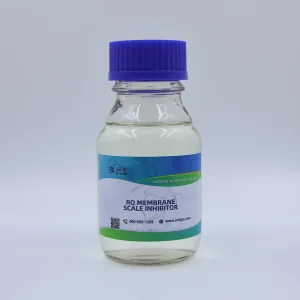
Complete your chemical treatment loop with our certified industrial RO inhibitors, defoamers, and heavy-duty water conditioning reagents.
 Smedic Tech