Advanced polymers, scale inhibitors, and defoamers manufactured to global chemical standards.
Activated alumina is a highly porous form of aluminum oxide (Al₂O₃) with a complex network of micro, meso, and macro-pores. This structure yields an exceptional specific surface area, typically ranging from 300 to 360 m²/g. The compound is widely deployed as a heavy-duty desiccant and selective adsorbent in highly challenging chemical, gas processing, and liquid purification environments.
As a leading OEM Alumina Adsorbent Manufacturer, we tailor the calcination curves and thermodynamic treatments during the production process. This optimization maximizes thermodynamic stability and crushing strength while maintaining a high pore volume. The result is a mechanical desiccant capable of achieving dew points as low as -70°C (-94°F) in gas dehydration columns without structural disintegration.
Our activated alumina undergoes strict quality monitoring to limit the presence of inactive crystalline phases. We target high-active gamma and chi phases, ensuring long-term thermal regeneration stability and resistance to hydrothermal aging under cyclic operation.
Pioneering the next generation of advanced adsorbent surfaces to support deep decarbonization and clean energy transitions.
Standard activated alumina is limited by broad pore-size distributions. Our current R&D focuses on synthesizing uniform mesoporous alumina with precise channel control. This selective distribution optimizes mass transfer kinetics, reducing pressure drop across adsorbent beds and minimizing capillary condensation of heavier hydrocarbons.
To address complex gas streams containing both trace moisture and highly dynamic volatile organic compounds (VOCs), we are engineering hybrid silica-alumina and zeolite-alumina composite matrices. These custom formulations prevent pore clogging and significantly lengthen operational lifecycles in cryogenic air separation units.
By doping the alumina substrate with basic/acidic active species, transition metals, or potassium permanganate (KMnO₄), we can chemically target specific toxins. These modified media remove arsenic, fluoride, carbon oxysulfide (COS), and mercaptans, turning physical desiccants into dual-action purification systems.
Solving dehydration and trace impurity removal challenges across critical process sectors.
In polymer-grade ethylene and propylene production, even ppb-level impurities can poison expensive downstream polymerization catalysts. Our custom OEM alumina adsorbents selectively strip water, carbon dioxide, green oil, and sulfur compounds from feedstock streams, ensuring chemical purity and preventing unplanned plant shutdowns.
| Target Impurity | Inlet Range | Outlet Performance |
|---|---|---|
| H₂O (Moisture) | Up to 500 ppm | < 0.1 ppm |
| CO₂ (Carbon Dioxide) | Up to 250 ppm | < 0.5 ppm |
| Sulfur Species (COS) | Up to 50 ppm | < 0.05 ppm |
Front-end air purification requires the absolute removal of carbon dioxide and atmospheric moisture to prevent ice formation and hazardous hydrocarbon accumulation in cryogenic heat exchangers. We supply high-density, abrasion-resistant alumina spheres optimized for rapid pressure swing adsorption (PSA) and temperature swing adsorption (TSA) configurations.
This dynamic formulation matches the high-velocity flow profiles of modern air separation trains, minimizing attrition-induced dust carryover that can damage valves and compressors downstream.
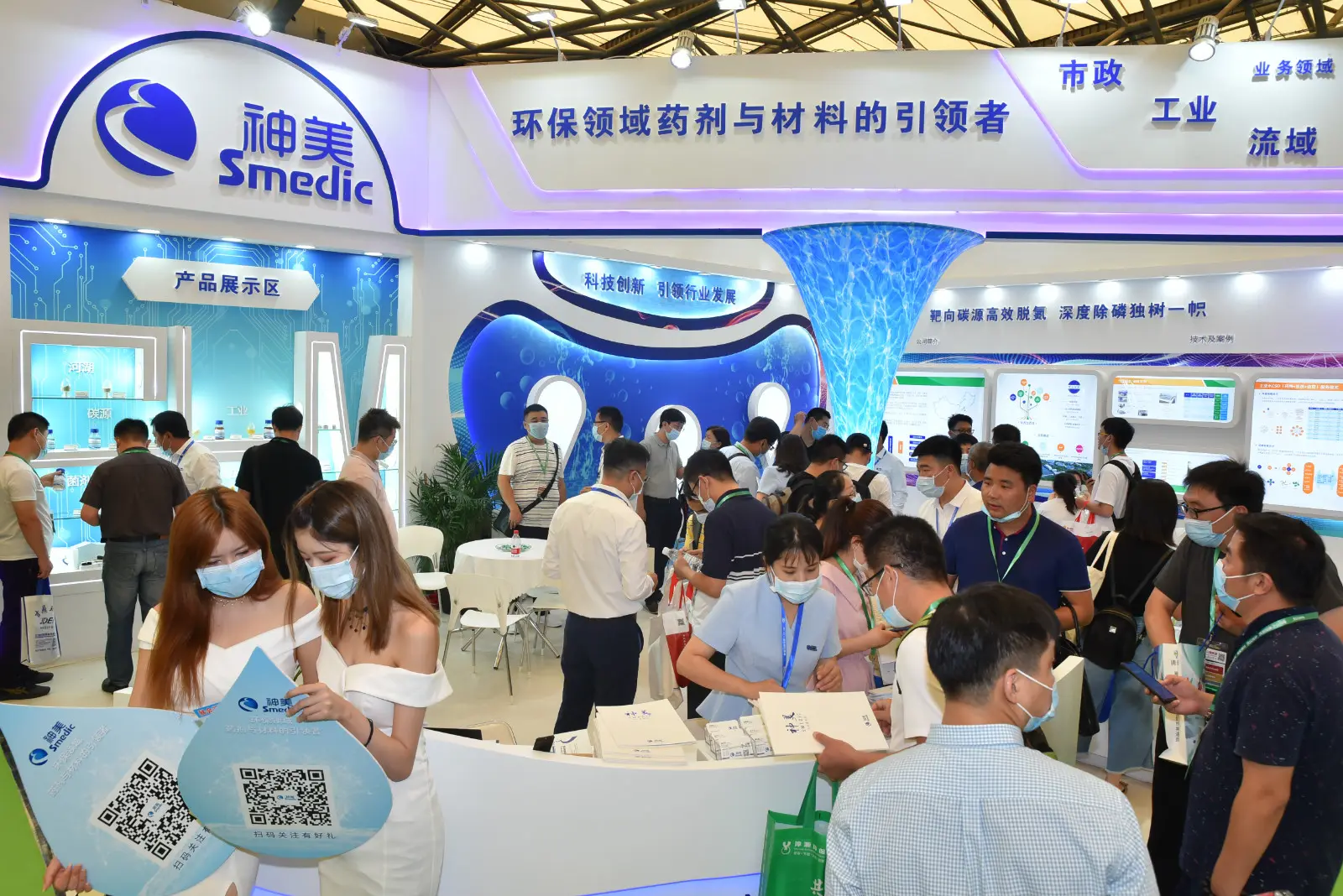
Operating out of strategic industrial hubs in Hebei, Guizhou, and Shanxi, Smedic Technology maintains a combined annual output capacity exceeding 1 Million Tons of environmental, adsorbent, and water treatment agents. Our advanced manufacturing system operates under digitalized Distributed Control Systems (DCS), continuously monitoring calcination temperatures and pneumatic transport systems to guarantee physical stability and structural uniformity.
With warehouse facilities located in Shandong, Anhui, Guangxi, and Sichuan, we offer robust logistics and regional warehousing to keep supply chains resilient. These strategic positions help insulate our global clients from supply bottlenecks and maritime shipping volatility.
Every single batch undergoes automated X-ray diffraction (XRD) and nitrogen adsorption analysis (BET method) to verify phase purity and surface area metrics before packaging, ensuring complete traceability and consistent batch-to-batch quality.
Annual Production Capacity (Tons)
Chinese Patents Granted
Environmental Agents Formulated
Global Industrial End Customers
Addressing the strict requirements of international chemical purchasing departments.
Adsorbent breakdown creates dust that can block flow channels, raise pressure drops, and cause premature column packing failure. Our alumina spheres are calcined to deliver a crushing strength of up to 120 N (for 1/8" spheres) and an attrition rate of <0.1 wt%, protecting valuable downstream equipment.
We measure static water adsorption at both 20% and 60% relative humidity. Our optimized transition-phase alumina maintains a high capacity for water vapor absorption even at low relative pressure levels, outperforming general generic brands under high ambient heat and humidity.
Uncontrolled exposure to moisture during transport can pre-saturate adsorbents, ruining their drying performance before arrival. We pack all custom OEM products in heavy-duty, moisture-vapor-barrier steel drums, intermediate bulk containers (IBCs), or double-lined big bags, guaranteeing a shelf-life of up to 36 months under dry conditions.
Established in 2011, Smedic Technology has grown into a leading comprehensive solutions provider, integrating advanced material R&D, mass production, global sales, and specialized engineering support. Our facilities produce municipal sewage treatment chemicals, mineral processing agents, and advanced adsorbents.
We hold elite designations in China, including National High-tech Enterprise, National Specialized, Refined, Unique and Innovative "Little Giant" Enterprise, and Hebei Province Green Factory. Our expert R&D team features collaborations with academicians, professors, and senior engineers working across one academy, three research institutes, and five production bases.
Through partnerships with institutions like Tsinghua University, Shandong University, Peking University, and Beijing University of Technology, we rapidly scale laboratory innovations to full industrial production, maintaining a leading position in water purification and adsorption chemistry.
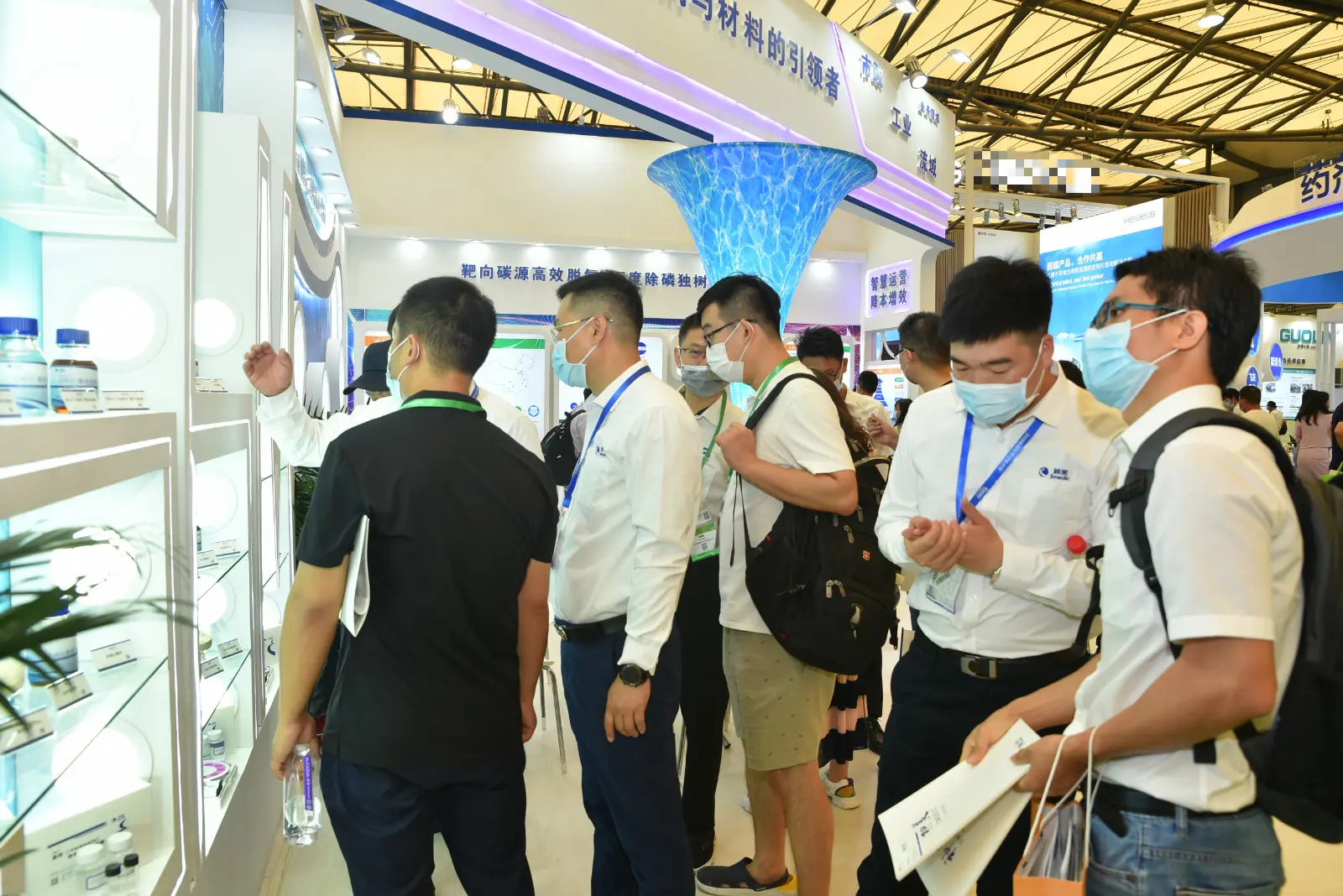
Smedic Technology was founded, focusing on specialized environmental protection formulations and chemical supply chains.
Established a complete product portfolio for municipal wastewater treatment and industrial chemical applications.
Recognized as a key national high-tech enterprise, expanding domestic research infrastructure.
Established a major water treatment and industrial chemical production base in Guiyang to service southern regional networks.
Expanded production facilities across Hebei, Shandong, and Guizhou, boosting aggregate capacity past 1 million tons annually.
Granted the National Specialized, Refined, Unique and Innovative Small and Medium-sized Enterprise ("Little Giant") designation.
Established a provincial-level R&D platform in Hebei, accelerating customized client formulations and OEM testing.
Officially recognized as a National Intellectual Property Advantage Enterprise with over 60 active patents.
Formed a strategic joint venture with the Chengdu Institute of Mineral Comprehensive Utilization, China Geological Survey, to pioneer new mineral processing and adsorption media.
Rigorous operational standards backed by over 60 Chinese patents and key international certifications.
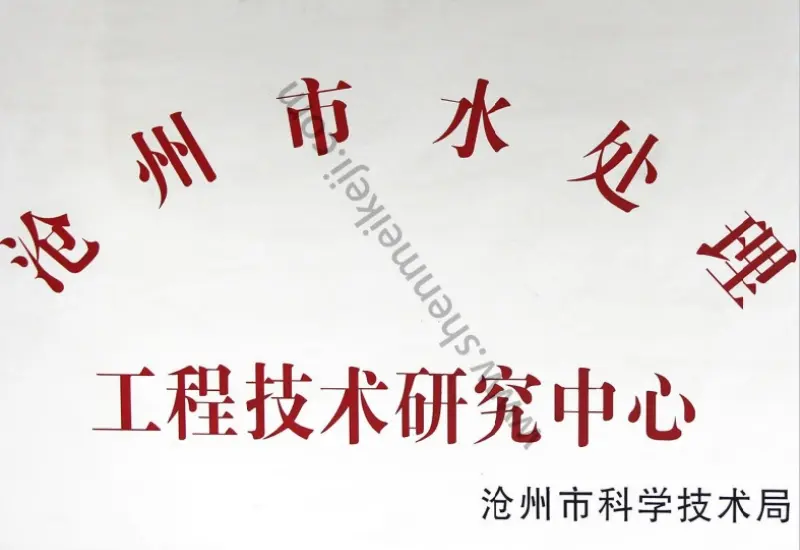
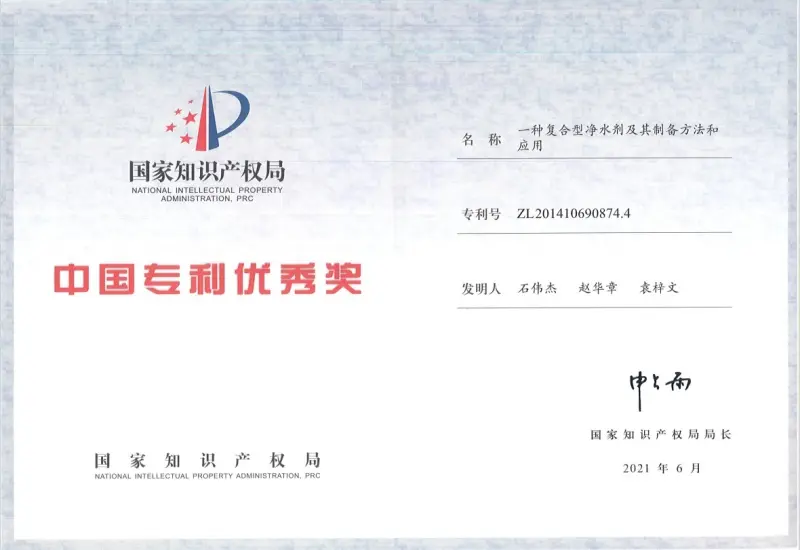
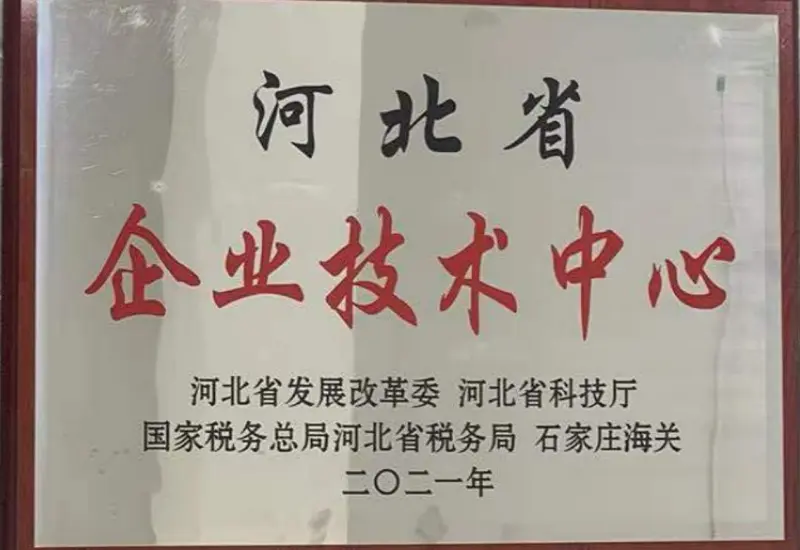
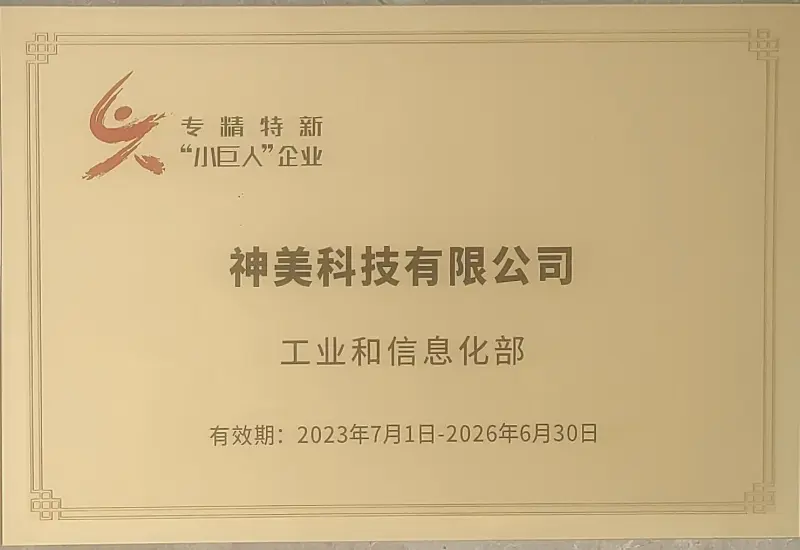
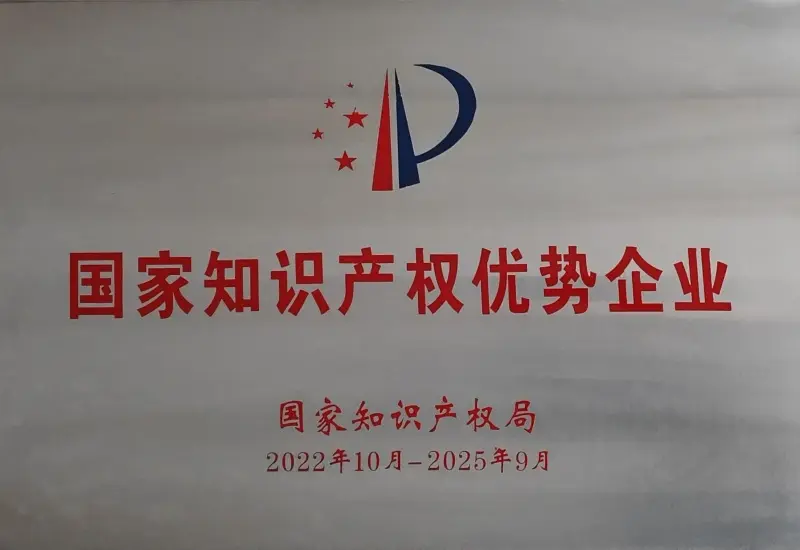
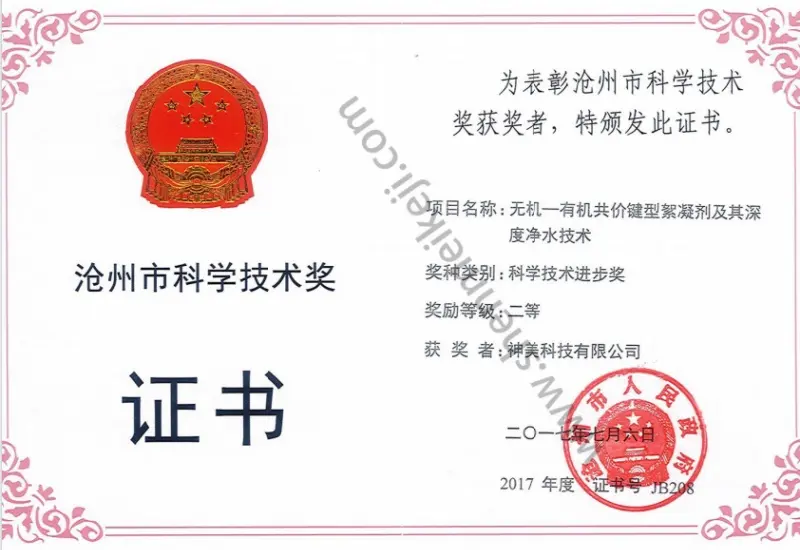
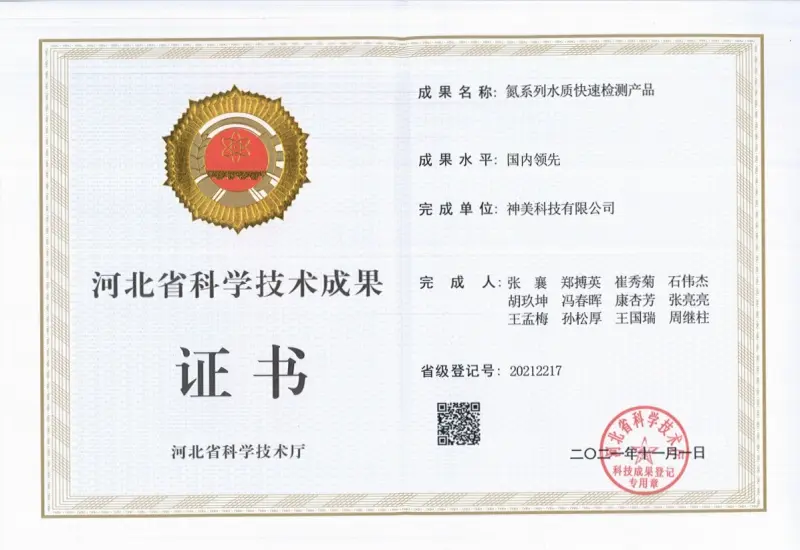
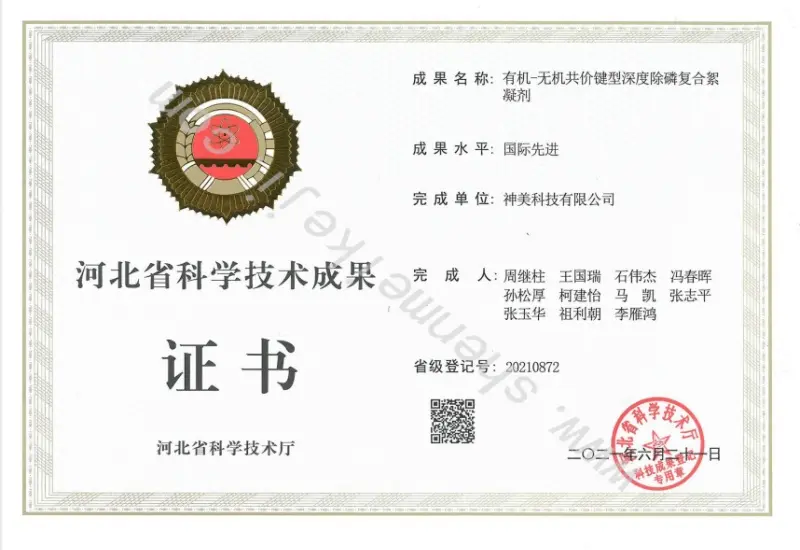
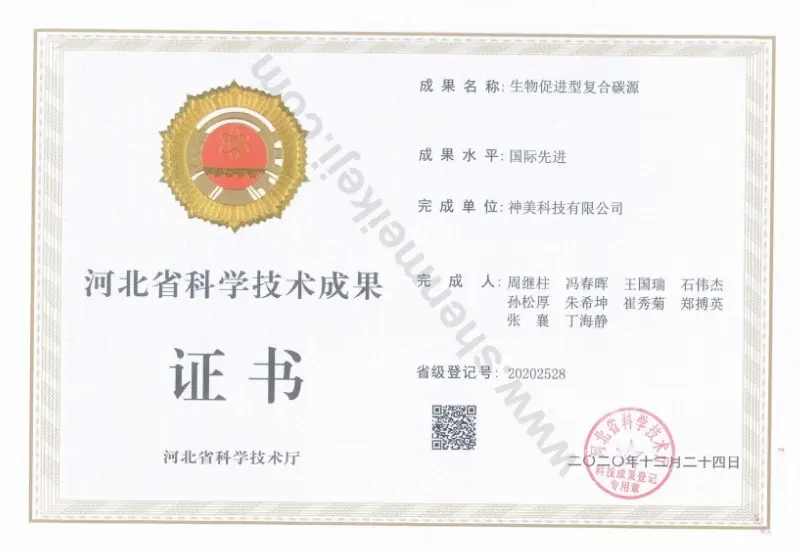
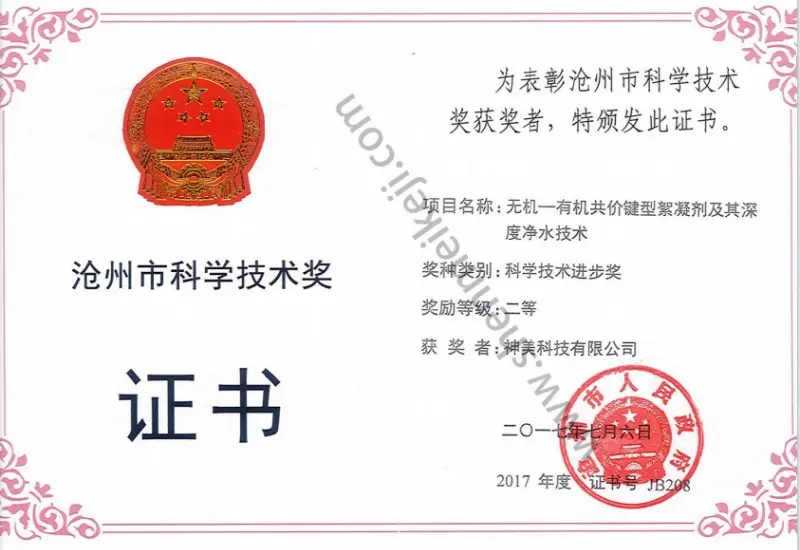
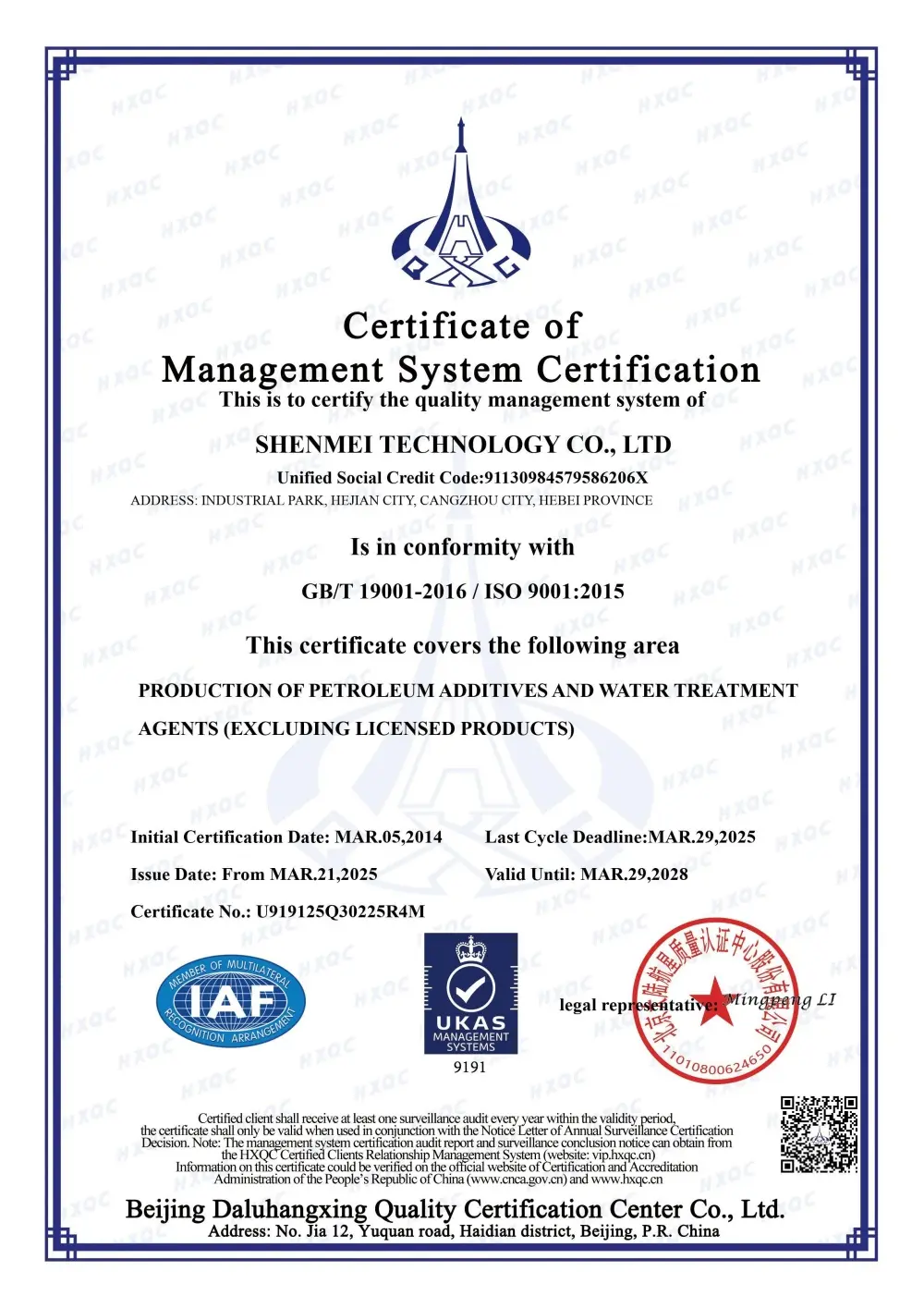
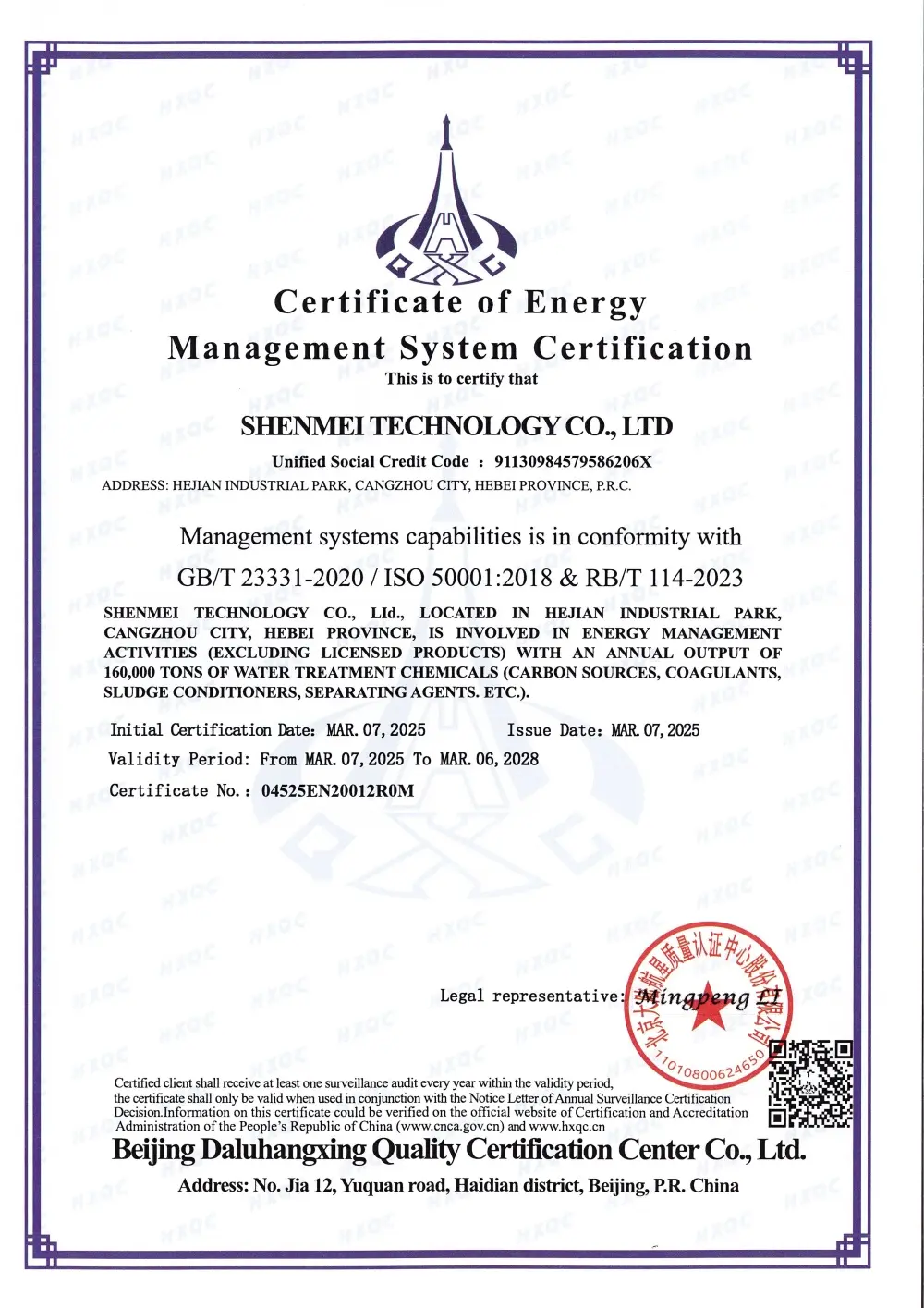
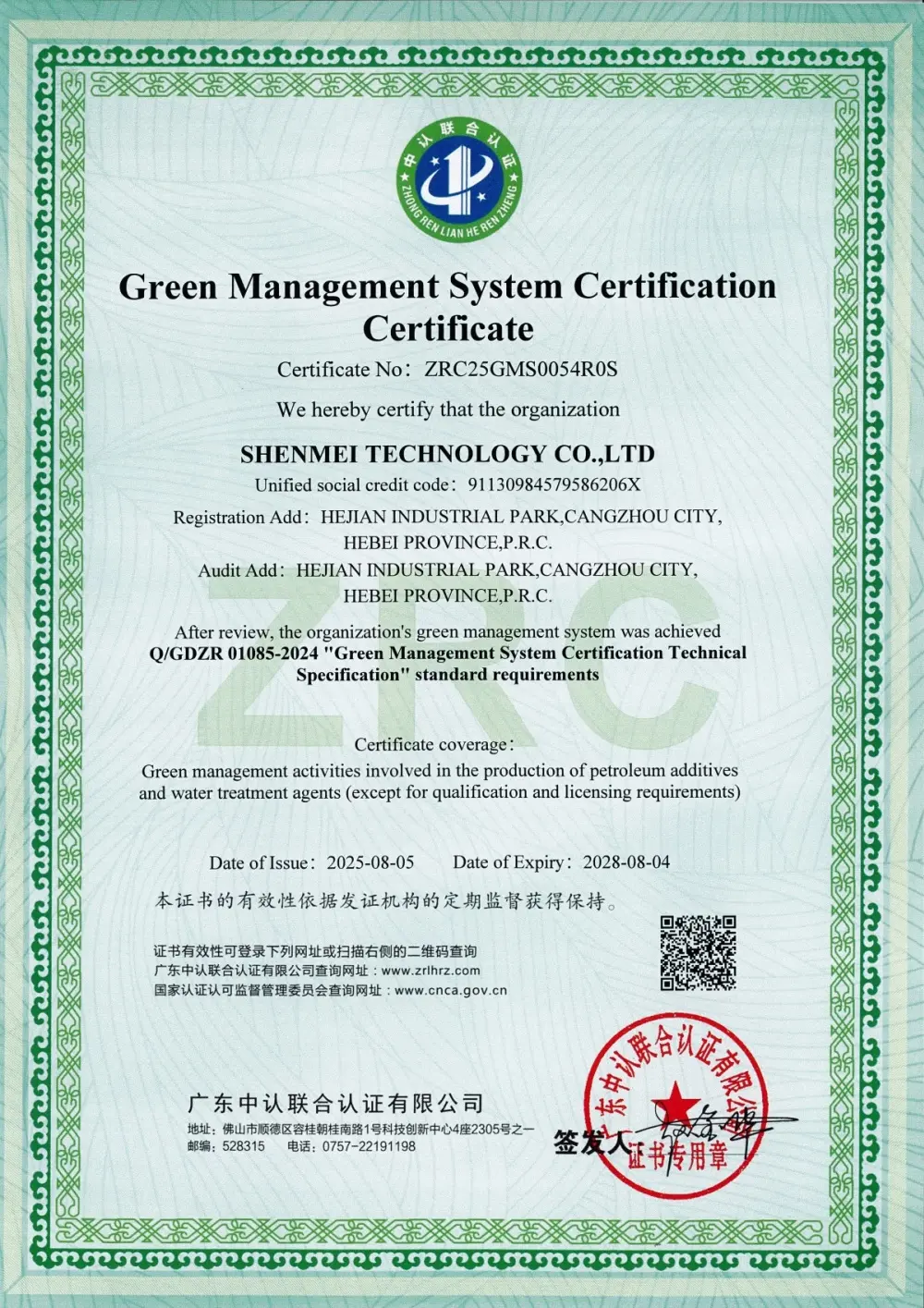
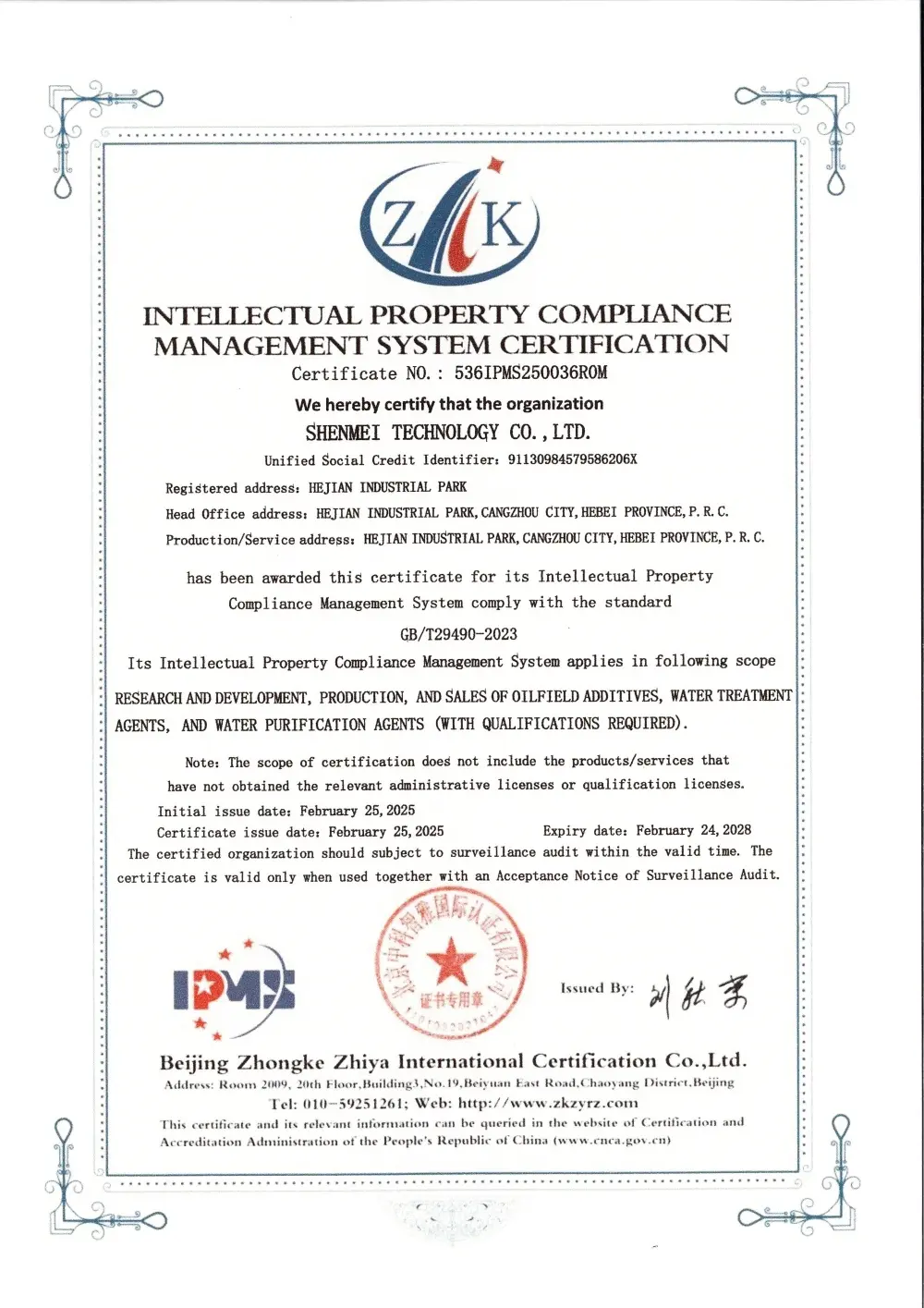
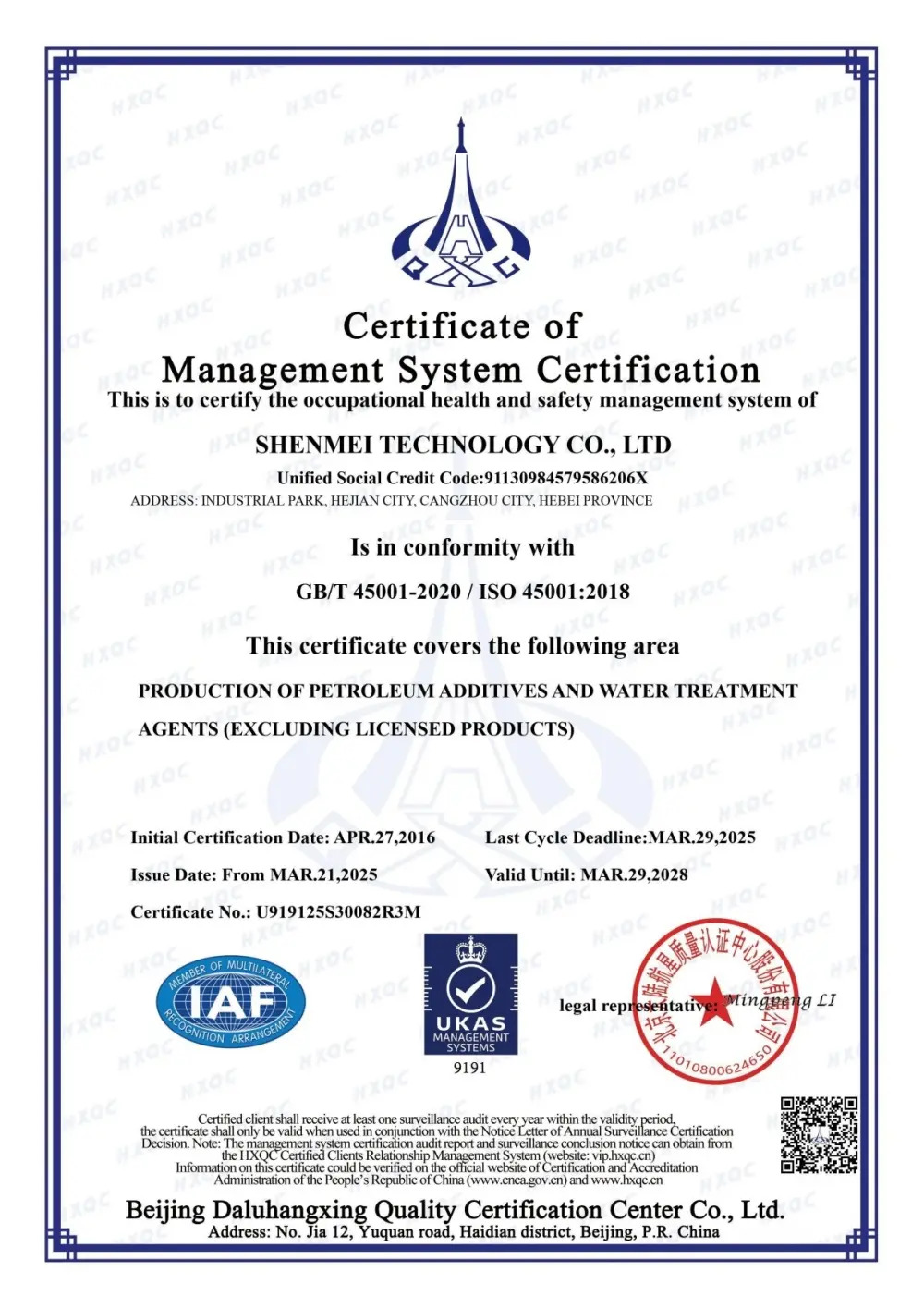
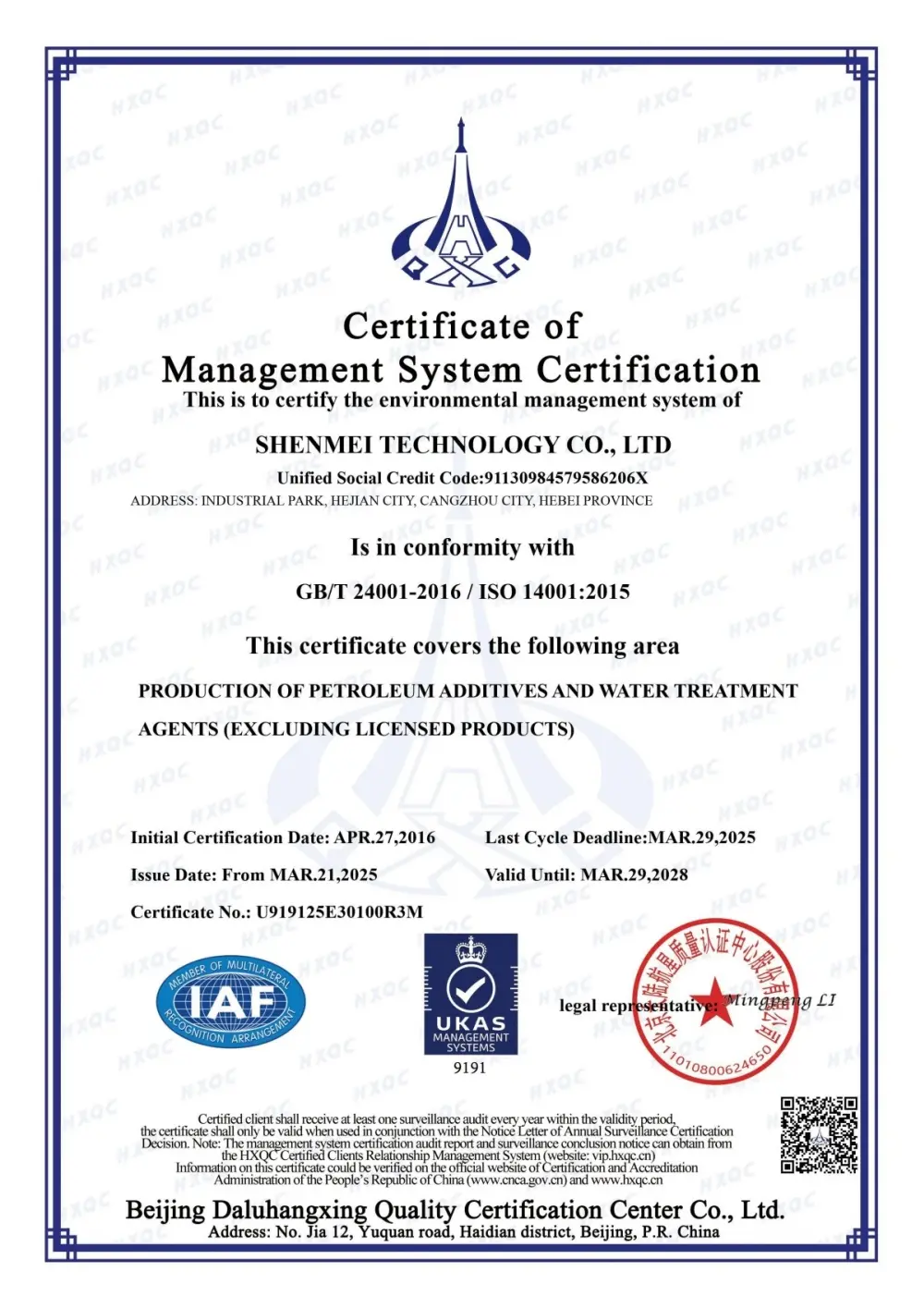
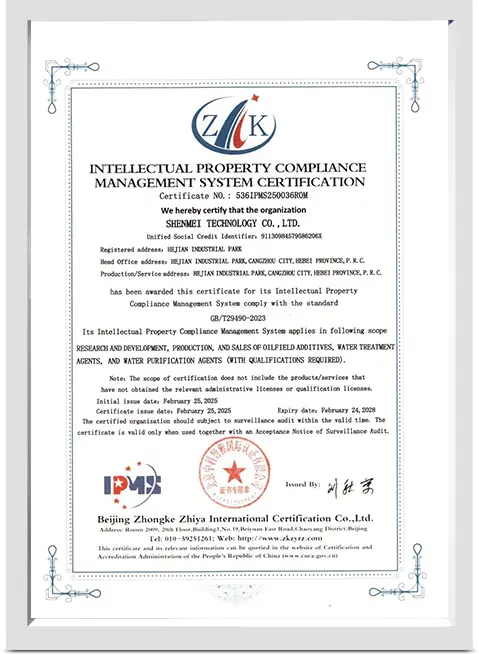
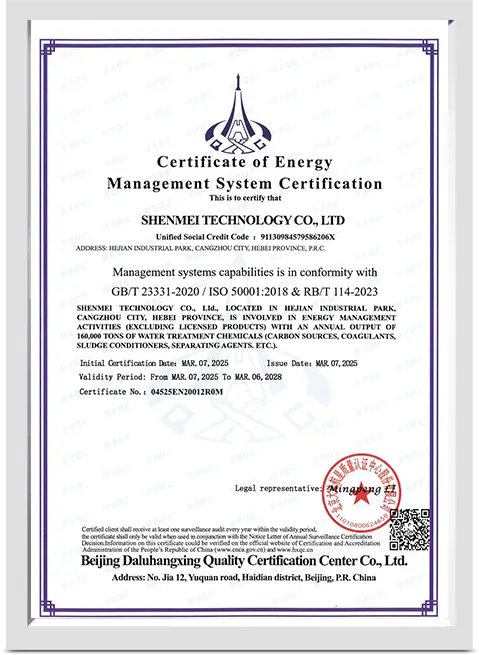
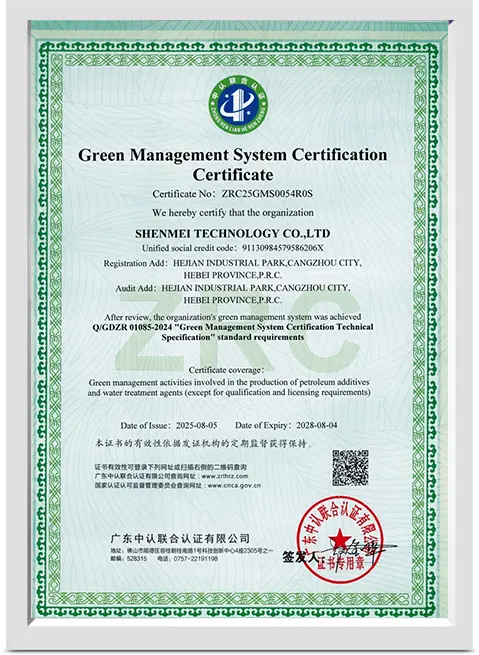
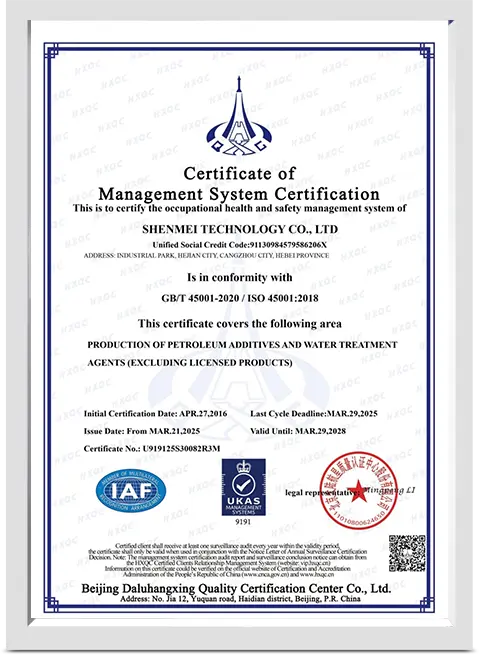
Navigating global regulatory landscapes requires rigorous compliance. Smedic ensures all OEM products and active adsorbents comply with international chemical framework regulations, including EU REACH registration and RoHS criteria. We manufacture under ISO 9001:2015 (Quality), ISO 14001:2015 (Environment), and ISO 45001:2018 (Occupational Health & Safety) certifications.
Our logistical teams handle all dangerous and non-dangerous goods customs clearances, providing comprehensive Safety Data Sheets (SDS) in accordance with the Globally Harmonized System (GHS). We offer custom labeling, localized technical manuals, and chemical safety documentation to make importation simple for your compliance managers.
For large-scale projects, we provide field engineers to support initial vessel loading. Proper charging prevents void spaces and uneven gas velocity profiles, securing optimal performance right from startup.
Technical answers to common questions about selecting, operating, and regenerating industrial adsorbents.
Active alumina is generally chosen for high-capacity moisture removal at higher relative water concentrations. It is highly resistant to liquid water carryover, whereas molecular sieves are susceptible to structural damage (hydrothermal decay) from liquid water. Molecular sieves are typically used downstream for deep dehydration, targeting dew points below -70°C, while alumina serves as the primary pre-drying stage to maximize bed life.
Hydrothermal aging occurs during high-temperature thermal regeneration when liquid water is present on the alumina surface. The steam causes recrystallization of the active gamma phase into inactive boehmite, reducing the surface area. We prevent this by adjusting our calcination profile to produce a highly stable gamma phase and advising operators to run a pre-heating phase that removes bulk liquid before full regeneration begins.
The ideal heating range for thermal regeneration is typically 180°C to 250°C (356°F to 482°F). Heating above 350°C can trigger phase transitions, reducing the surface area and adsorption capacity. We recommend using dry purge gas during regeneration to carry away liberated water vapor and prevent condensation on cooler parts of the bed.
Yes. Under optimized pH conditions (typically between 5.5 and 6.5), activated alumina has a strong affinity for fluoride and arsenic ions. Its high surface area provides ample active sites for anion exchange. For water treatment systems, we supply custom-doped alumina spheres with basic metal oxides to maximize binding capacities.
Low attrition resistance leads to particle degradation and dust formation due to the friction of high-velocity gas. This dust can block downstream filters, damage control valves, and create high pressure drops across the bed. Our OEM manufacturing process prioritizes mechanical crushing strength, ensuring dust-free performance throughout the adsorbent lifecycle.
We customize sphere diameter (ranging from 1.5mm to 8mm), pore size distribution, specific surface area, bulk density, and chemical surface chemistry (such as potassium permanganate loading). Clients can also specify custom packaging options, including steel drums, super sacks, or specialized containers with private label markings.
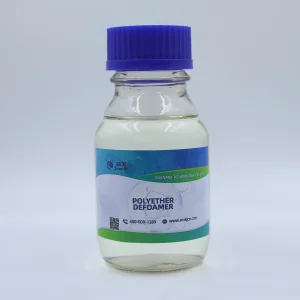
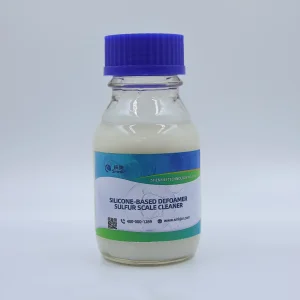
A broad portfolio of polymers, coagulants, and organic defoamers for industrial processes.
 Smedic Tech