Highly specialized, robustly tested chemical agents configured to mitigate extreme heat load, microbial scaling, and high-salinity challenges in Southern Asian cooling systems.
Bangladesh is undergoing rapid industrialization, driven by the textile, leather, power generation, and chemical processing sectors. In high-density economic hubs like Dhaka, Gazipur, Narayanganj, and Chittagong, industrial operations face significant challenges regarding water resource conservation, quality degradation, and strict local compliance requirements.
Circulating water systems—specifically cooling towers, boilers, and heat exchangers—act as the thermodynamic engines of these plants. However, the local groundwater characteristics in Bangladesh pose acute challenges: high concentrations of iron, variable calcium hardness, and heavy salinity intrusion in coastal economic zones like Chittagong and Mongla. Without specialized scale, corrosion inhibitors, and biocide formulations, heat transfer efficiency collapses, leading to costly equipment down-time and excessive energy consumption.
As a leading exporter of environmental protection chemicals, Smedic Technology understands these unique geographic parameters. We customize our formulations to prevent deposition under high-temperature humid climates typical of Bangladesh’s long summer seasons, ensuring operational continuity for heavy manufacturing plants.
Aligning with Bangladesh Department of Environment (DoE) mandates and global sustainability frameworks like OEKO-TEX and ZDHC.
Bangladesh textile giants are increasingly forced to adopt Zero Liquid Discharge principles. Recycling ETP water back into cooling systems requires highly stable scale and membrane inhibitors that resist dynamic organic fouling.
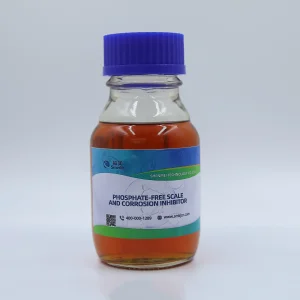
Eutrophication of local water bodies like the Buriganga and Shitalakshya rivers has led the Department of Environment (DoE) to ban or severely restrict phosphate discharge. Our green eco-friendly inhibitors offer superior bio-clearance without phosphate buildup.
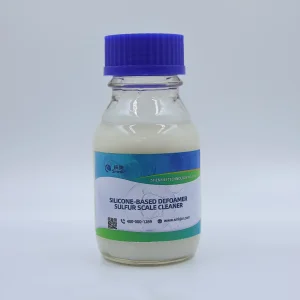
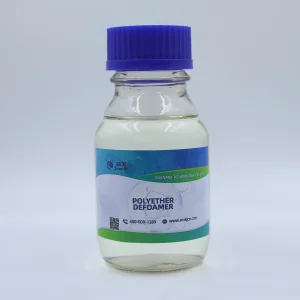
Western textile brands sourcing from Bangladesh demand strict trace compliance. Our organic silicone and polyether defoamers do not contain banned surfactants (APEOs/NPEOs), guaranteeing global compliance for garments.
How Smedic's integrated production and smart logistics keep the Bangladesh supply pipeline open, even under challenging global market pressures.
With an annual manufacturing capacity exceeding 1 million tons of water treatment agents, Smedic Technology operates on a Factory 4.0 framework. Our facilities utilize intelligent automated dosing, advanced process controls, and online analytical instrumentation to secure absolute batch-to-batch consistency. In critical cooling systems, even a minor variation in polymer chain weight or inhibitor concentration can trigger catastrophic scaling or metal degradation.
From a logistics perspective, we manage multiple dedicated production bases in Hebei, Guizhou, and Shanxi, integrated with regional warehouse complexes near major maritime hubs. This positioning ensures smooth, rapid bulk shipments to the Port of Chittagong. Understanding the seasonal production peaks of the Bangladesh Ready-Made Garment (RMG) industry, we maintain active safety stock parameters, neutralizing supply delays during high-demand quarters.
Our raw material supply chain integration enables us to offer unmatched cost-efficiencies, helping local purchasing directors offset inflationary challenges in raw chemical acquisition while guaranteeing compliance with strict ISO 9001 and ISO 14001 operational workflows.
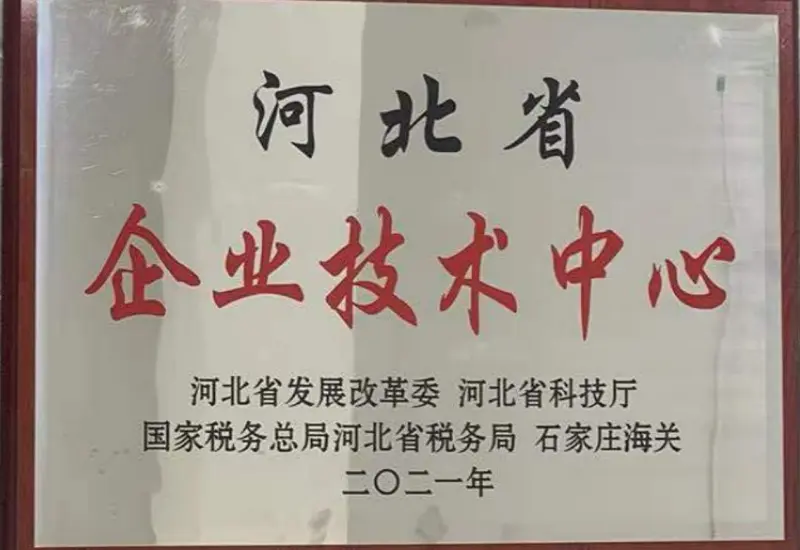
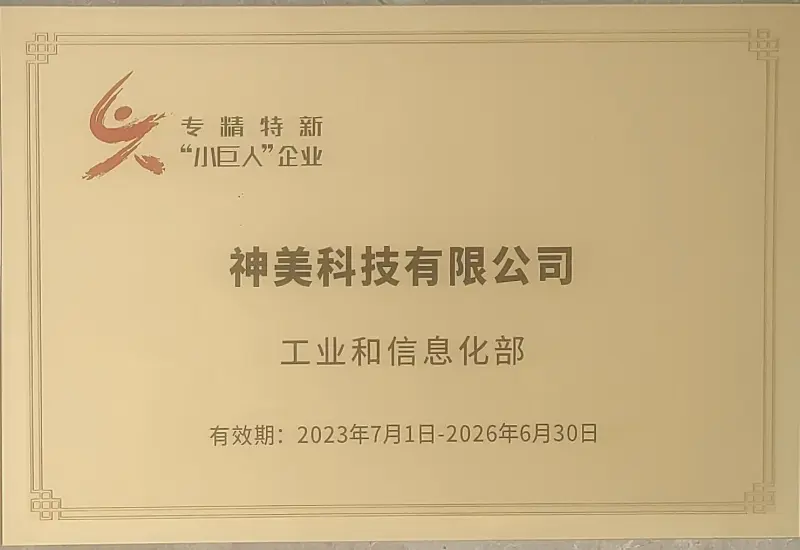
Smedic has been designated a National Specialized, Refined, Unique and Innovative "Little Giant" Enterprise in China. Our research is backed by an elite platform: one academy, three research institutes, and five production bases, collaborating with premier academic entities such as Tsinghua University and Shandong University.
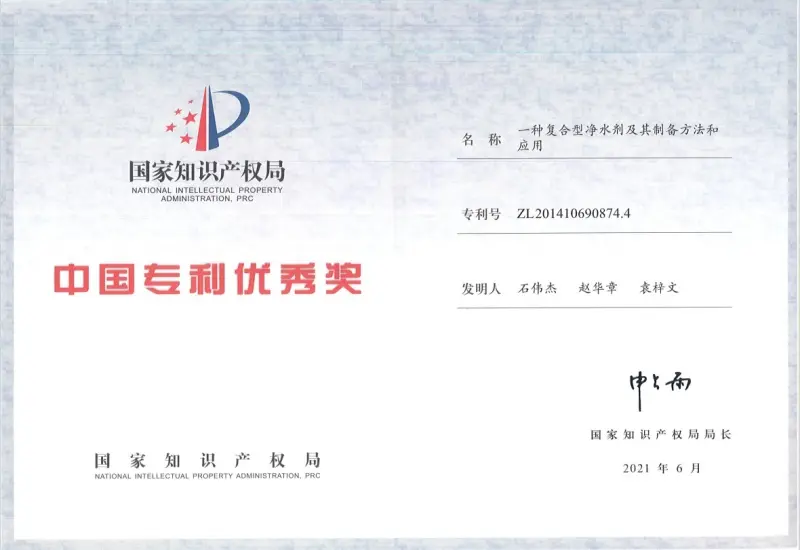
We hold over 60 Chinese patents, including 40+ invention patents, and have pioneered national industry standards for composite carbon sources and complex organic coagulants.
Designed for operational compliance, energy savings, and asset lifecycle extension.
Textile processing generates excessive heat load. Our customized scaling inhibitors prevent calcium carbonate and silicate deposition under hard water variables, keeping thermal transfer efficiency at peak levels.
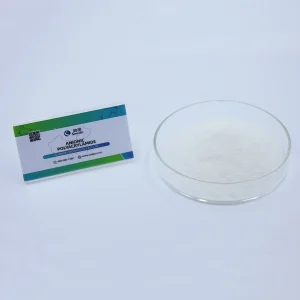
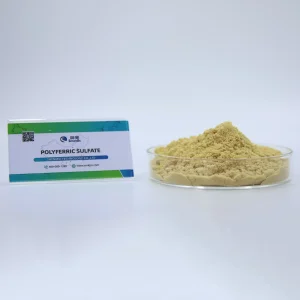
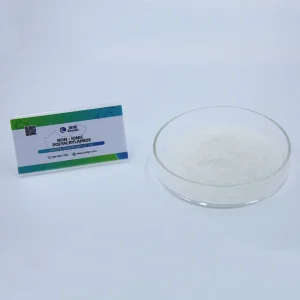
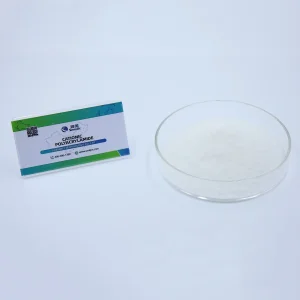
Effluent Treatment Plants struggle with complex dye molecules and suspended solids. Smedic Polyacrylamide (APAM/CPAM) and Polyferric Sulfate (PFS) accelerate solid-liquid separation, reducing biological chemical oxygen demand (BOD/COD).
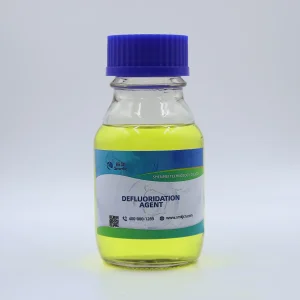
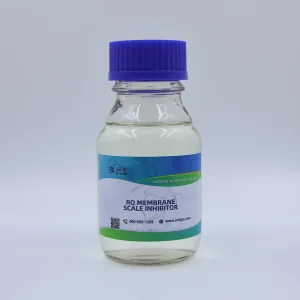
Chittagong industries facing high-salinity groundwater utilize desalination RO systems. Our antiscalants prevent sulfate and silica scaling on reverse osmosis membranes, cutting maintenance costs in half.
Smedic Technology Co., Ltd. was established in 2011 as a comprehensive water purification and industrial chemical platform. Operating with a business framework covering more than 20 provinces in China and expanding aggressively into Southeast Asia and Southern Asia markets, we deliver localized solutions that resolve real-world chemical engineering bottlenecks.
Our projects currently serve over 600 urban sewage treatment facilities and over 1,000 industrial wastewater clients. The total management capacity of Smedic-supported ETPs and municipal installations exceeds 20 million tons of wastewater daily.

Ensure stable parameters in industrial processes. Every single product is tailored to meet high-temperature, fluctuating-humidity, and variable feedwater demands.
Technical expertise answering critical logistics, dosing, and application questions for procurement engineers in Bangladesh.
Our scale and corrosion inhibitors are engineered with highly thermal-stable organic polymers (such as copolymeric and terpolymeric compounds) that resist hydrolytic degradation under severe tropical heat. In regions like Dhaka and Gazipur, cooling tower skin temperatures can rise dramatically; our chemistry ensures the molecular structure remains active, maintaining complete dispersion of calcium salts, silicates, and heavy metals.
Yes. Smedic defoamers (both our premium organic silicone defoamer agents and non-silicone polyether range) are strictly formulated to comply with ZDHC MRSL (Manufacturing Restricted Substances List) and OEKO-TEX guidelines. They do not contain nonylphenol ethoxylates (NPEOs) or alkylphenol ethoxylates (APEOs), making them perfectly suited for textile houses exporting directly to the EU and US.
By leveraging our production units in coastal and near-port logistics warehouses, we optimize cargo loading times. Typical sea freight shipping from Chinese major ports (such as Qingdao or Shanghai) to Chittagong Port takes approximately 14 to 21 days. We handle all international hazardous and non-hazardous chemical compliance documentations to guarantee rapid Customs clearance on arrival.
Absolutely. We offer tailored polyacrylamide (APAM, CPAM, and NPAM) formulations. Depending on whether you are managing high-charge dyeing wastewater in Narayanganj or acidic tannery effluents in Savar, our R&D team analyzes your effluent parameters to optimize the charge density and molecular weight of our polyacrylamide, reducing your chemical dosage cost by up to 30%.
Bangladesh experiences elevated humidity throughout the year. We ship our solid state flocculants (like PAC, PFS, and PAM) in heavy-duty, moisture-resistant multi-layer PE/PP woven bags. Our liquid formulations are packaged in UV-stabilized, high-density polyethylene (HDPE) drums or IBC tanks, ensuring zero compound degradation and maintaining a shelf-life of up to 2 years under standard storage conditions.
Partner with China's leading water chemistry technology provider. Get custom dosing designs, localized chemical formulations, and a resilient chemical supply pipeline.
 Smedic Tech