 Smedic Tech
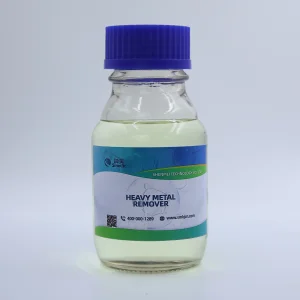
Engineered for Dutch chemical processors, surface treaters, and municipal plants. Highly efficient metal extraction agents featuring advanced co-precipitation chemistry.
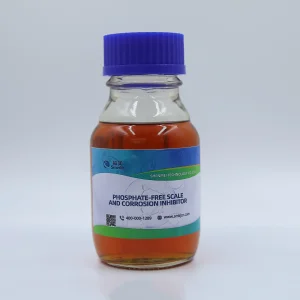
The industrial clusters of the Netherlands—spanning the Port of Rotterdam, Chemelot in Limburg, and the chemical centers in Eemsmond—operate under the strictest environmental mandates globally. Driven by the European Water Framework Directive (WFD) and Dutch national guidelines such as the Activiteitenbesluit Milieubeheer, companies face aggressive limits on heavy metals in discharge waters. Heavy metals like nickel, copper, cadmium, zinc, and lead represent highly toxic, non-degradable components that can permanently disrupt municipal activated sludge processes and damage sensitive aquatic ecosystems along the Rhine and Meuse rivers.
Traditional neutralization processes using sodium hydroxide ($NaOH$) or lime often fail to meet modern Dutch standards. With fluctuating pH values and the presence of complexing agents (such as EDTA, NTA, or ammonia), conventional metal hydroxides remain soluble, causing regulatory non-compliance. Smedic Technology's advanced macromolecular heavy metal chelating agents offer a superior chemical pathway. By forming robust, insoluble coordinate bonds with target metal ions, these agents yield quick-settling flocs even in the presence of strong organic ligands, ensuring secure, multi-element metal capture below detection limits.
Download Technical GuideReduces Cu, Ni, Cr, Zn, Pb, and Cd to less than 0.1 mg/L in industrial discharge streams.
Disrupts strong coordinate complexes (e.g., EDTA-Copper, Tartrate-Nickel) with strong replacement kinetics.
Forms high-density crystalline flocs that significantly reduce sludge disposal and handling costs.
Established in 2011, Smedic Technology Co., Ltd. is a comprehensive environmental chemistry leader specializing in the R&D, manufacturing, and global export of advanced environmental protection agents. Our product line encompasses municipal sewage treatments, high-concentration industrial wastewater treatments, process scale inhibitors, and mineral processing chemicals.
Our corporate headquarters is based in Beijing, supported by proprietary wholly-owned production bases in Hebei, Guizhou, and Shanxi, alongside ten OEM regional warehousing hubs throughout China. Operating with an annual capacity of over 1 million tons, Smedic serves over 600 municipal sewage installations and more than 1,000 industrial endpoints daily, maintaining a leading position in water purification chemical sectors.
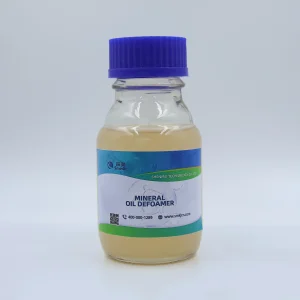
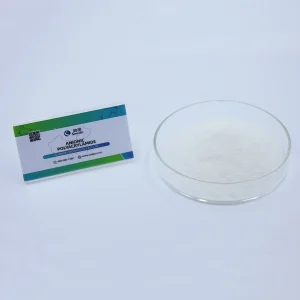
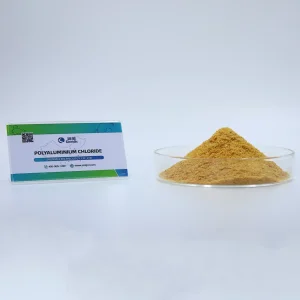
High-performance auxiliary water treatment agents designed to optimize chemical separation, defoaming, and sludge handling efficiency.
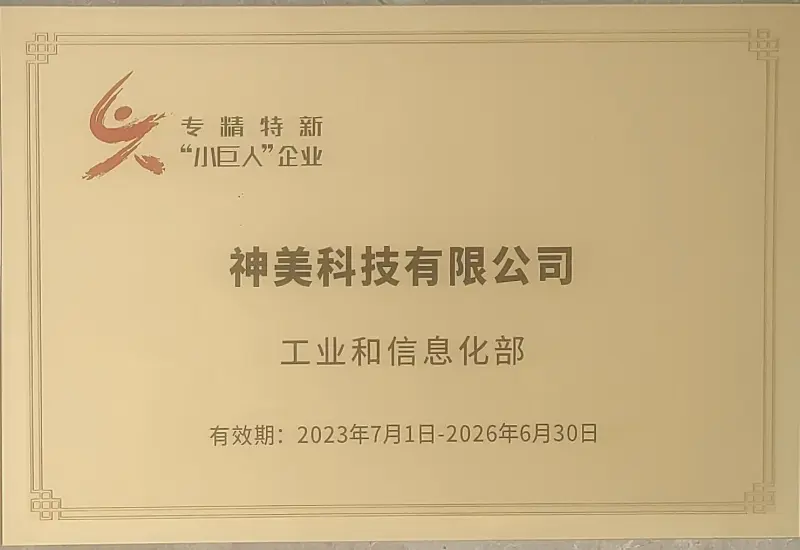
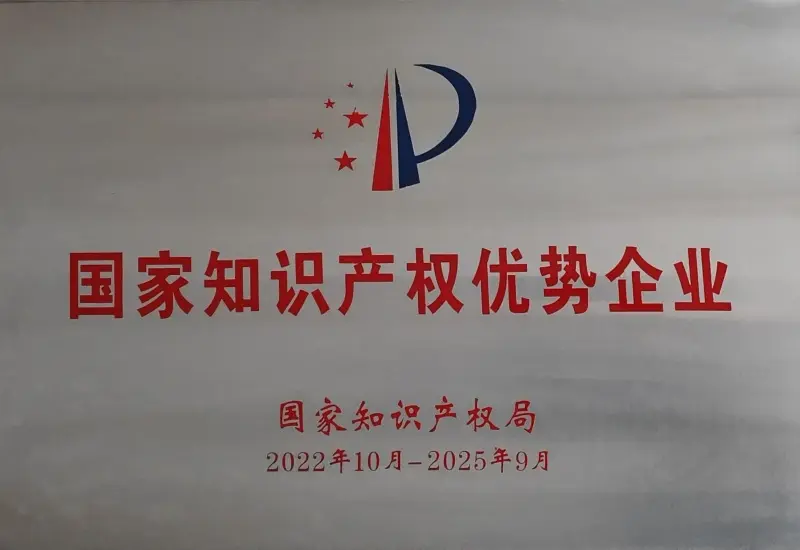
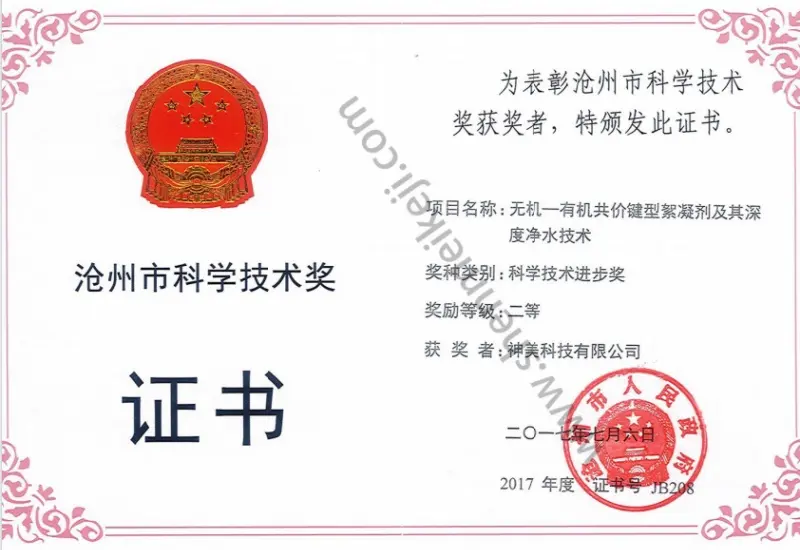
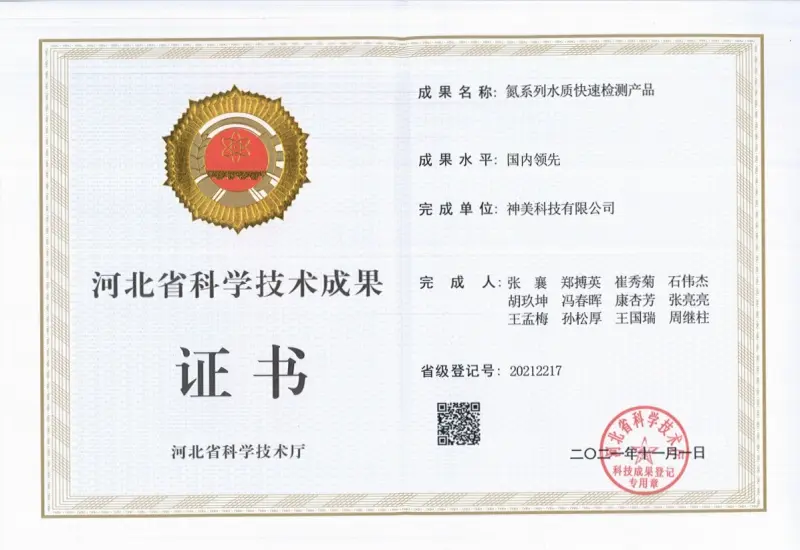
Pioneering water chemistry through academic collaboration, proprietary patents, and state-certified innovations.
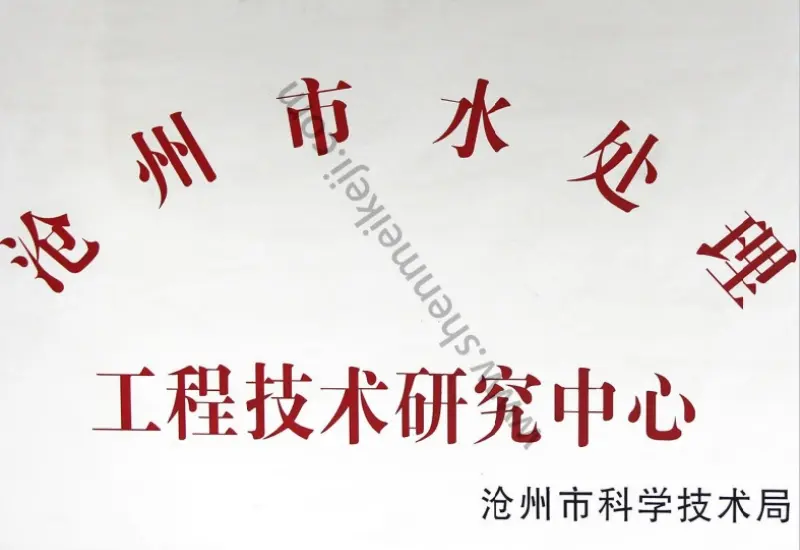
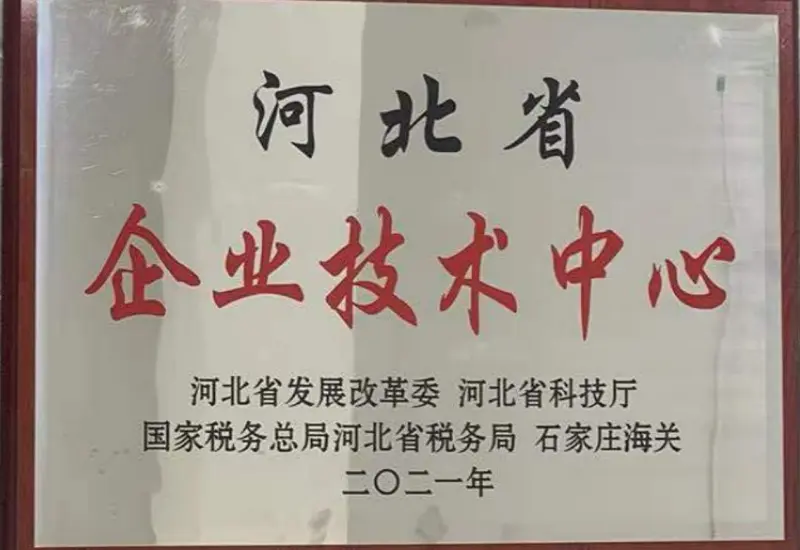
Smedic maintains a world-class technology development framework consisting of one academy, three research institutes, and five manufacturing bases. Recognized as a Class A R&D institution, we host joint academic research centers in partnership with Tsinghua University Association of Senior Scientists and Technicians, Shandong University, and Beijing University of Technology. We translate high-level laboratory discoveries into industrial water treatment reagents.
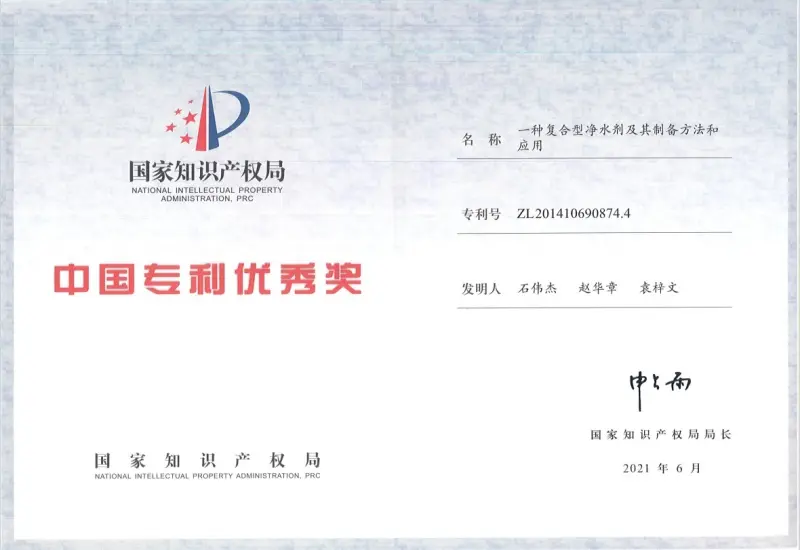
Our proprietary covalent bond flocculation systems won the prestigious 22nd China Patent Award and the First Prize for Technological Invention from the China Petrochemical Industry Association, validating our status as a premium global exporter.
Inquire About Custom R&D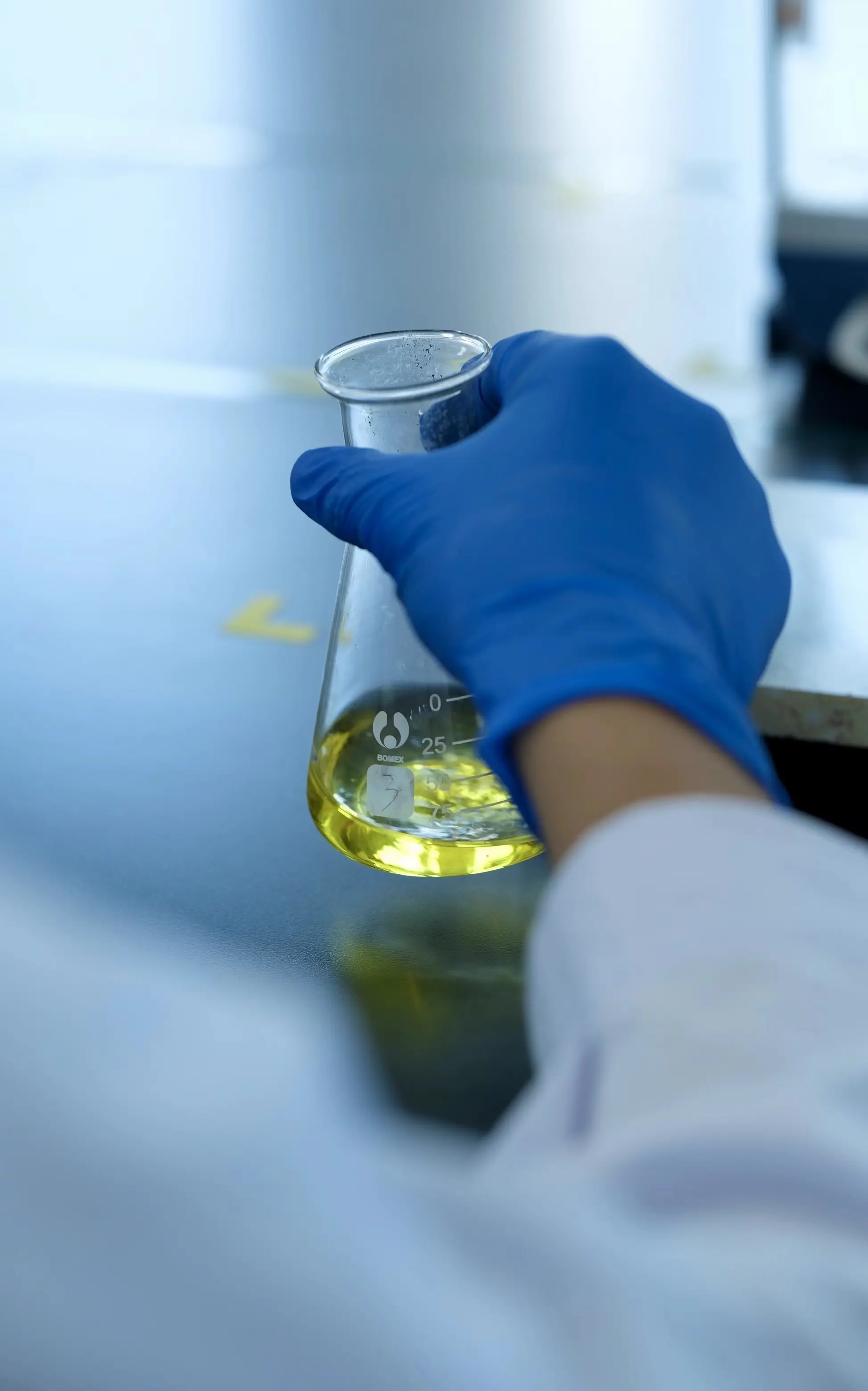
Smedic founded; specialized production lines for basic coagulants launched.
Complete product portfolio established for complex municipal wastewater challenges.
Production bases in Hebei, Shandong, and Guizhou expand, exceeding 1 million tons capacity.
Provincial-level R&D platform launched, focus shifts to heavy metal chelators and fluoride removal.
Joint venture founded with the Chengdu Institute of Mineral Comprehensive Utilization to advance eco-reagents.
Delivering specific formulations to address localized industrial challenges in the Netherlands.
Designed for high-density plating shops in regions like Eindhoven and Enschede. Our organic sulfur-based chelators disrupt Ni-EDTA complexes at normal operating pH levels, preventing discharge violation fines.
Assisting Dutch waste-to-energy facilities to extract highly mobile heavy metals from fly ash leachates. Achieve stable residue classification for landfills or concrete additive reuse paths.
Providing marine-compliant treatment reagents to handle bilge waters and wash waters in Rotterdam. Precipitates zinc, lead, and cadmium in high-salinity matrices without fouling membrane systems.
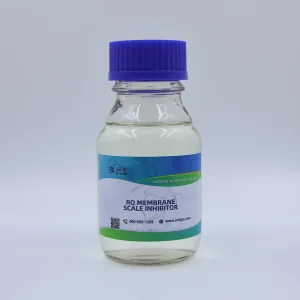
Comprehensive technical chemistries designed to maintain continuous industrial plant operations and protect vital membrane filtration systems.
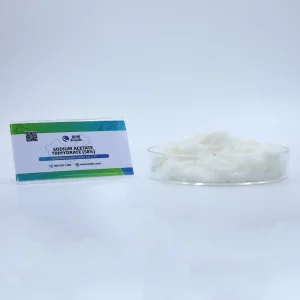
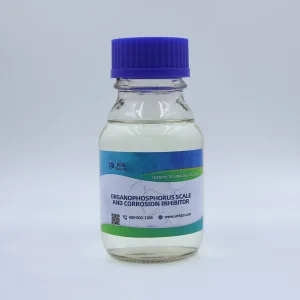
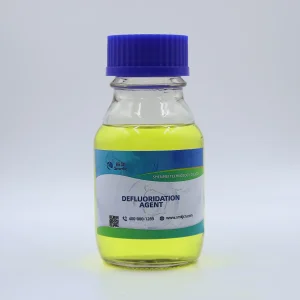
An analysis of chemical pathways showing how Smedic's organosulfur complexes provide stable metal precipitation.
| Parameter | Sodium Hydroxide ($NaOH$) / Lime | Smedic Heavy Metal Chelating Agents | Dutch Regulatory Compliance Impact |
|---|---|---|---|
| Optimal pH Range | Strict (Typically 8.5 - 10.5 depending on the target metal) | Broad (pH 3.0 to 14.0) | Reduces chemical consumption and eliminates the need for post-treatment neutralization. |
| Complexed Metals (EDTA/Citrate) | Ineffective; complexed metals remain completely soluble | Highly effective; easily replaces weaker organic ligands | Ensures discharge limits are consistently met in plating and PCB chemical processes. |
| Floc Formation & Settling Speed | Light, pin-point flocs that settle slowly | Large, dense crystalline flocs that settle rapidly | Reduces required footprint of clarification tanks and clarifiers. |
| Sludge Volume & Stability | High sludge volume; susceptible to metal leaching in acid rain | Minimal sludge volume; extremely stable complex resistant to leaching | Reduces hazardous waste disposal costs under European waste codes (EWC). |
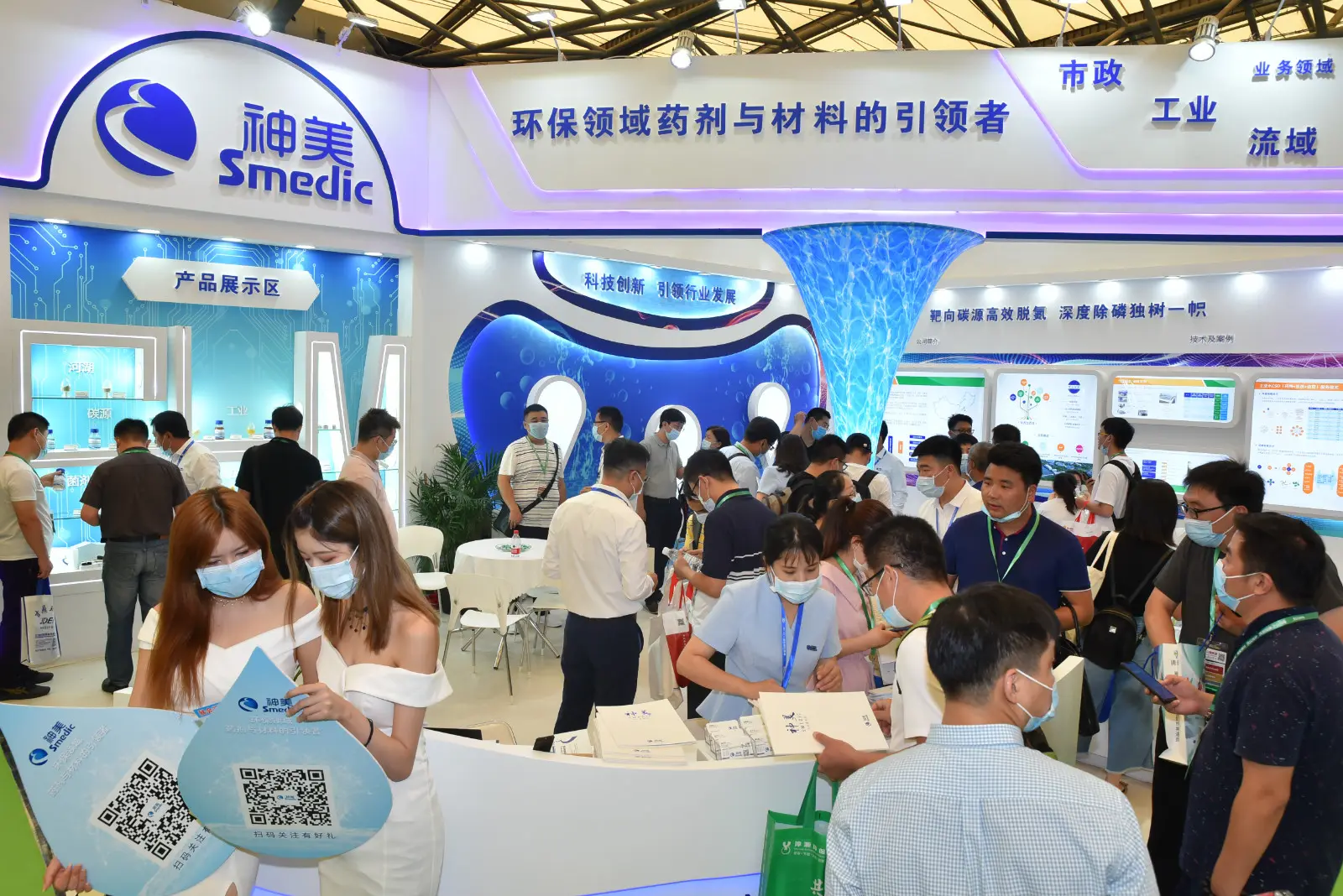
Entering the European Union market demands absolute safety compliance. Smedic Technology ensures that all exported chemicals conform to EU REACH regulations. We provide comprehensive Safety Data Sheets (SDS) in Dutch and English, specifying toxicity profiles, aquatic environment exposure classifications, and proper protective procedures.
Through partnerships with shipping hubs and customs clearance operators at the Port of Rotterdam, we offer flexible supply chain solutions, including direct FCL shipping and container transport. Our logistics teams handle the necessary documentation to guarantee secure delivery to your production facilities, minimizing delays and maintaining supply security.
Our sustainable development path points toward bio-based, zero-phosphorus, and intelligent water treatment chemicals.
Developing biodegradable polymers sourced from agricultural co-products. Replacing traditional synthetic matrices with natural ligand structures to achieve high biodegradation rates in rivers.
Developing ligands targeted to specific metals, such as nickel or copper. This allows precious metals to be separated and recycled directly from industrial wastewater, supporting circular economy initiatives.
Combining our chemistries with real-time UV-Vis spectrophotometers and ion-selective electrodes to automatically adjust dosing rates based on fluctuating inlet concentrations, preventing chemical waste.
Expert engineering insights regarding dosing ratios, complexed metals, and European environmental regulations.
Reach out to our chemical application specialists for free product samples, custom jar testing services, and tailored chemical formulations designed for the Dutch industrial market.
Send Inquiry Now