High-efficiency chemical precipitants and auxiliaries optimized to comply with local CONAMA environmental mandates.
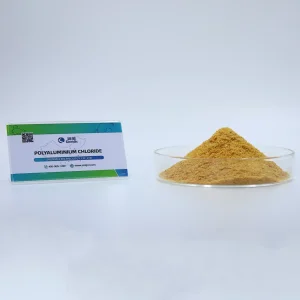
Premium polyaluminum chloride formulated for high-capacity particulate settling and orthophosphate precipitation in municipal sewage networks.
Learn More & Request Spec →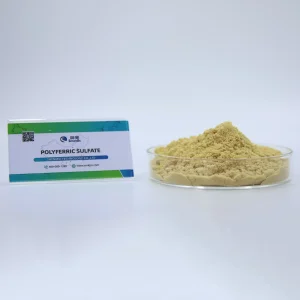
Advanced Polyferric Sulfate offering rapid flocculation, heavy metal co-precipitation, and deep phosphorus removal in low-pH industrial wastewaters.
Learn More & Request Spec →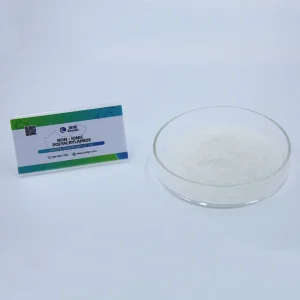
Extremely high molecular weight NPAM bridging agent designed to optimize sedimentation of inorganic mineral sludges and phosphorus-heavy clays.
Learn More & Request Spec →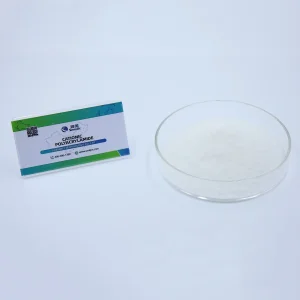
High charge density cationic flocculant tailored for centrifugal or belt-press dewatering of municipal and biological treatment sludges.
Learn More & Request Spec →Brazil is currently undergoing a massive structural transformation in its sanitation sector, accelerated by the New Sanitation Legal Framework (Lei nº 14.026/2020). With state-level mandates targeting 99% potable water coverage and 90% sewage collection and treatment by 2033, the country’s wastewater treatment plants (ETEs) are under unprecedented pressure to modernize.
A key critical challenge is eutrophication, caused by excessive discharge of nutrients—principally nitrogen and phosphorus. In water bodies serving metropolitan areas like São Paulo (managed by SABESP), Paraná (SANEPAR), and Minas Gerais (COPASA), agricultural runoffs and poorly treated sewage lead to massive cyanobacteria blooms. Consequently, the national environmental council CONAMA (Resolution 357 and 430) has set strict effluent limits: typically limiting Total Phosphorus (TP) down to <1.0 mg/L, and in sensitive basins, even stricter values below 0.1 mg/L are being written into local operational permits.
Brazilian agricultural and process industries represent massive sources of complex wastewater:
A global leader in advanced water purification chemistry, dedicated to delivering cost-effective and highly stable formulations.
Smedic Technology Co., Ltd. stands as a premier developer, manufacturer, and exporter of advanced wastewater treatment reagents. Headquartered in Beijing, with state-of-the-art production bases in Hebei, Guizhou, and Shanxi, and over ten OEM partner facilities nationwide, Smedic has an annual chemical production footprint exceeding one million metric tons. Our operations support over 600 municipal wastewater treatment facilities and over 1,000 global industrial wastewater customers across chemical manufacturing, mining, oilfields, and agriculture.
By leveraging an expert research workstation associated with senior scientists from Tsinghua University, Shandong University, and Beijing University of Technology, Smedic has pioneered specialized chemical innovations. This academic-industrial synergy has secured over 60 Chinese patents, including 40+ invention patents, and earned Smedic the title of National Specialized, Refined, Unique and Innovative "Little Giant" Enterprise.
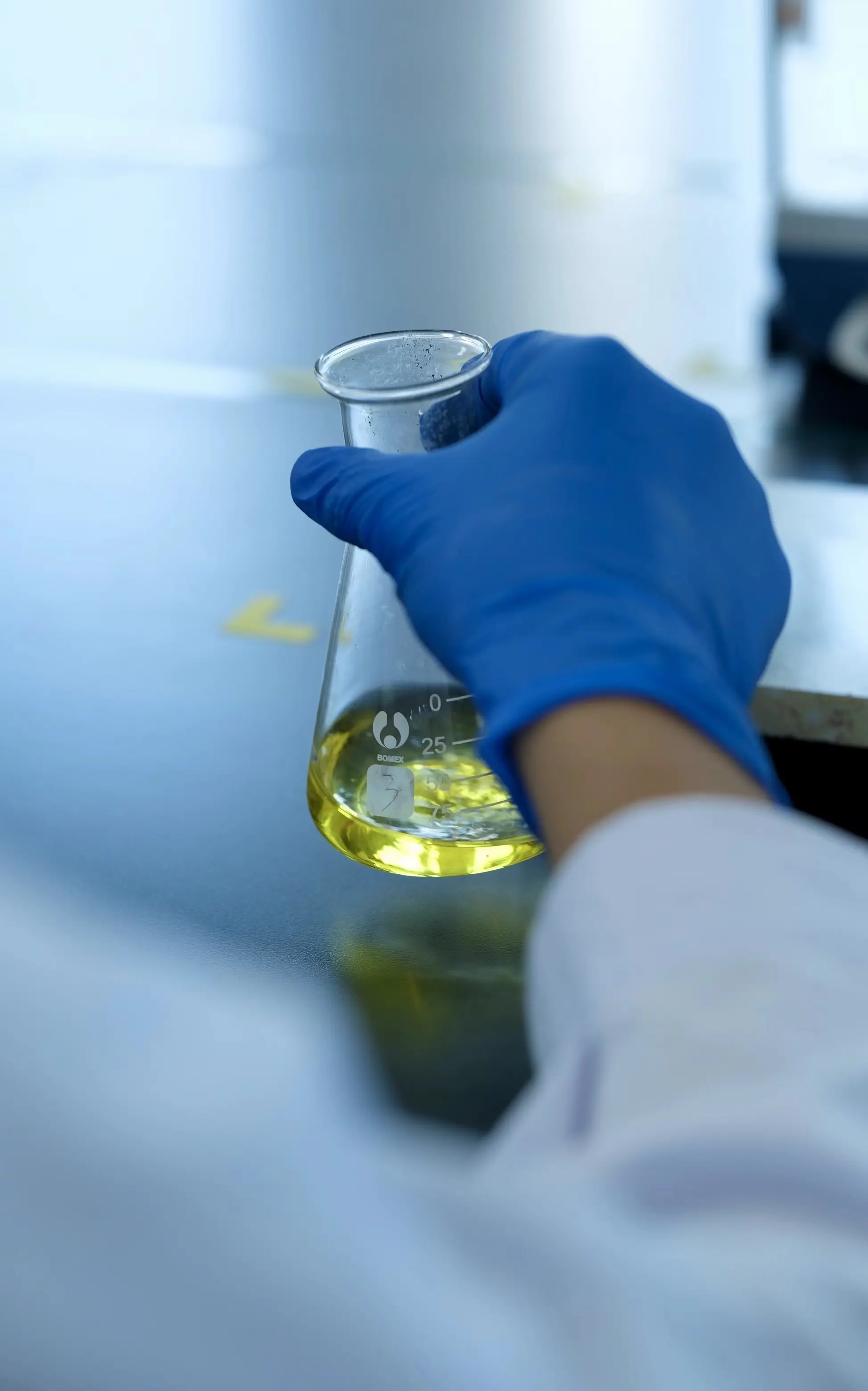
Understanding the engineering mechanics behind chemical precipitation of orthophosphates and polyphosphates.
Chemical precipitation relies on adding multivalent metal salts—specifically trivalent iron (Fe3+ from PFS) or aluminum (Al3+ from PAC) to form highly insoluble metal phosphates:
Al3+ + PO43- → AlPO4↓
Fe3+ + PO43- → FePO4↓
These reactions are highly pH-dependent, with optimal iron precipitation occurring between pH 5.0–7.0 and aluminum between pH 6.0–7.0. Controlling alkaline fluctuations is vital for plant stability.
Once chemical precipitation forms microscopic phosphate precipitates, high-molecular-weight anionic polyacrylamides (APAM) are introduced. The polymer chains adsorb onto the micro-flocs, bridging them together via charge neutralization and physical entrapment. This significantly increases settling velocities in secondary clarifiers and DAF (Dissolved Air Flotation) systems.
Traditional chemical treatment produces massive quantities of sludge. Smedic's deep multi-nuclear phosphorus removal agents utilize covalent bonding properties to ensure a high utilization rate of the metal ion active centers, lowering the overall dosage required by up to 35% compared to commercial-grade alum, reducing subsequent disposal costs.
Navigating chemical imports in Brazil requires extensive planning. Smedic manages all compliance checkpoints to guarantee reliable supply chains:
Importing high-tonnage water treatment chemicals into Brazil requires a vendor that understands the high-humidity storage dynamics, local transport infrastructure, and rigorous water standards. Smedic's engineering team provides full remote and on-site jar testing consulting services to optimize chemical selection and dosing locations, helping local water operators slash chemical costs while maintaining environmental compliance.
Whether you are operating a municipal activated sludge plant or managing high-load runoff from cattle processing plants, our tailored chemical programs minimize sludge production, lower dosage rates, and guarantee peace of mind.
Explore our full line of water purification, sludge conditioning, and scale inhibition chemistry serving the Brazilian market.
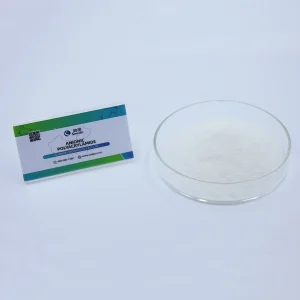
Premium food-grade flocculant used to trap organic sediments in crop washing lagoons and sugar cane processing.
View Product →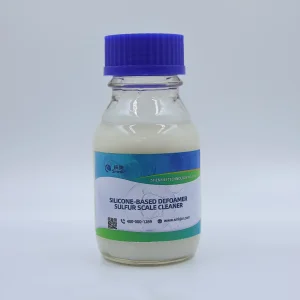
Food-safe anti-foaming agent that prevents froth formation in biological reactors and high-turbulence outfalls.
View Product →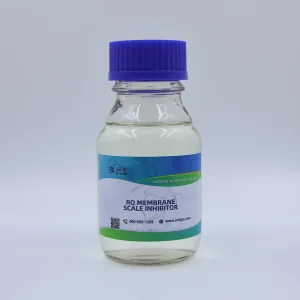
Prevents silica, calcium carbonate, and phosphate scaling on thin-film composite reverse osmosis elements.
View Product →
Optimizes clarifier underflow concentration and enhances gravity belt thickener performance.
View Product →
Designed for heavy metal precipitating systems, helping complex industrial water cycles remain fully closed.
View Product →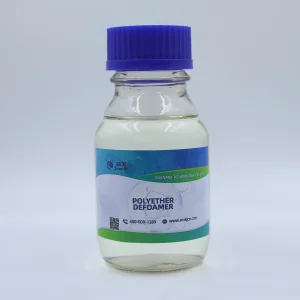
Excellent thermal stability defoamer designed to maintain processing speeds in black liquor and pulp washing circuits.
View Product →
High-purity PAC water purifier optimized for color removal, turbidity control, and trace phosphorus precipitation.
View Product →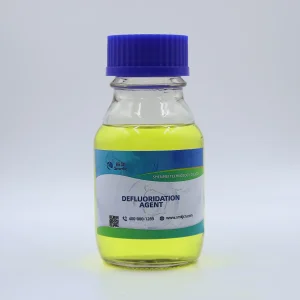
Specialized inorganic adsorbent that drives down heavy industrial fluoride contaminants to meet rigid municipal standards.
View Product →Insights from our senior application engineers on optimizing chemical programs for wastewater treatment plants.
Answer: It depends heavily on the wastewater’s pH and organic composition. Polyferric Sulfate (PFS) has a higher cationic charge and forms heavier, faster-settling flocs than Polyaluminum Chloride (PAC), making it exceptionally efficient for industrial systems and slaughterhouses with high fat, oil, and grease (FOG) content. Aluminum-based PAC is often preferred in municipal drinking water or low-color municipal sewage treatment due to its neutrality and lower tendency to color the water. Smedic recommendation is to conduct a standardized jar test to analyze dosage-to-settling efficiency under your site's specific conditions.
Answer: Traditional inorganic coagulants (like alum or ferric chloride) yield bulky, water-rich hydroxide sludges that are extremely difficult to dewater, leading to high disposal costs. Smedic’s patented technology incorporates organic polymeric chains directly into the inorganic metal core. This creates a stronger, denser, shear-resistant floc structure that releases bound water much more easily under mechanical pressure (such as belt presses or centrifuges), resulting in drier filter cakes and significantly lower hauling costs.
Answer: Theoretically, 1 mole of phosphorus (P) requires 1 mole of Aluminum (Al) or Iron (Fe). In practice, however, competitive reactions with alkalinity (hydroxides) require a stoichiometric excess. Typically, to reduce Total Phosphorus from 5.0 mg/L down to 1.0 mg/L, a molar ratio of 1.5 to 2.5 of Metal:P is required. When aiming for deep limits (e.g., <0.1 mg/L), the molar ratio can rise to 3.0 or higher. Multiplying this by the target P-removal load will give the daily chemical consumption.
Answer: Yes, Smedic products destined for potable water treatment lines comply with NSF/ANSI Standard 60 equivalents and conform to ABNT NBR guidelines. We supply detailed certificates of analysis (CoA) detailing the absence of heavy metal impurities (such as arsenic, lead, and cadmium) for every batch shipped to Brazil.
Partner with a world-class environmental chemicals manufacturer. Our technical sales team can configure a customized pricing model, supply SDS, and arrange test samples shipped directly to your facility in Brazil.
 Smedic Tech