Optimized Chemistries for Phosphorus Precipitation and Solid-Liquid Separation
Adapting to Strict Environmental Laws & Unique Regional Geographies
Chile's geographical configuration and rapid industrial scaling in mining, food production, and aquaculture present unique aquatic challenges. The Chilean Ministry of Environment (MMA) enforces strict discharge standards, such as Norma de Emisión de Residuos Líquidos (Decree 90 / DS 90), regulating liquid discharges into marine water bodies, surface water basins, and aquifers. Excessive phosphorus (P) in municipal, agricultural, and industrial streams triggers accelerated eutrophication, causing destructive toxic algal blooms in vulnerable lakes (like Lake Villarrica and Lake Llanquihue) and crucial river basins like the Biobío.
In northern copper mining zones, water scarcity is acute. Industrial operators rely heavily on recirculating process water and desalinated seawater. Elevated phosphorus levels in copper concentration and flotation loops can alter froth stability and recovery yields. Efficient phosphorus removal agents are therefore critical, not just for downstream environmental discharge compliance, but for optimizing the internal metallurgy loops and preserving scarce water resources.
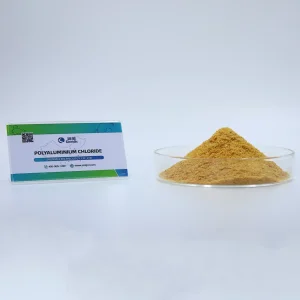
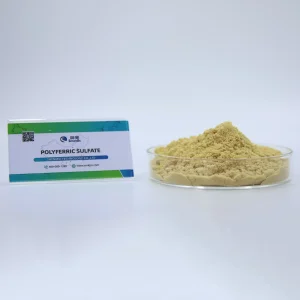
Southward, in the Araucanía and Los Lagos regions, the booming salmon farming and food processing industries generate massive volumes of organic wastewater laden with soluble orthophosphates and bound organic phosphorus. These processes require advanced, high-performance chemical precipitating agents (e.g., Polyferric Sulfate and Polyaluminum Chloride) and bridging polymers to clear effluents below local regulatory thresholds (often demanding Total Phosphorus levels < 0.5 mg/L).
Under DS 90, discharge of effluents into surface water reservoirs forces operators to closely monitor heavy metals and phosphorus. Mechanical sedimentation is insufficient; chemical dosing using customized multi-nuclear metal salts is essential to achieve compliance.
The Chemistry Behind Advanced Phosphorus Precipitation
Utilizing multi-nuclear metal complexes like Polyferric Sulfate (PFS) or Polyaluminum Chloride (PAC). Trivalent iron (Fe3+) and aluminum (Al3+) chemically bind with orthophosphates (PO43-), producing insoluble metal phosphate precipitates.
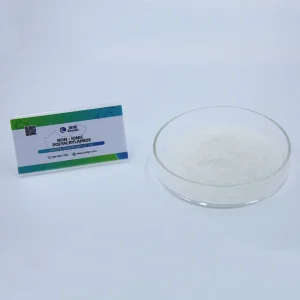
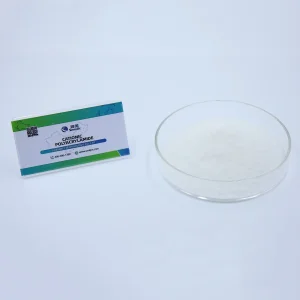
While metal salts precipitate dissolved phosphates, high-molecular-weight anionic and cationic polyacrylamides aggregate these microscopic particles. These polymers create large, heavy flocs that settle rapidly, reducing retention time in clarifiers.
Different matrices require custom solutions. For instance, high salinity mining water in Northern Chile hinders typical metal coagulation. Using salt-tolerant cationic polymers and deep multi-nuclear PFS resolves ionic interference issues.
From North America to the European Union, standard limits for Total Phosphorus are decreasing, down to 0.1 mg/L. Smedic’s R&D team anticipates global regulatory trajectories, providing custom-blended formulations that guarantee future-proof compliance pathways.
China's Premier Environmental & Water Treatment Chemical Manufacturer
Established in 2011, Smedic Technology is a comprehensive solution provider specializing in environmental protection agents. We integrate advanced R&D, manufacturing, global sales, and complex engineering-related technical services. Operating with an annual production capacity exceeding 1 million tons, we support municipal sewage, industrial wastewater, tap water purification, mineral processing, and oilfield operations globally.
Our corporate headquarters is in Beijing, with wholly-owned, modern production bases in Hebei, Guizhou, and Shanxi. Additionally, we run more than ten OEM partner factories and regional warehousing bases strategically placed across China (Shandong, Anhui, Guangxi, and Sichuan). Our domestic network services more than 600 urban sewage treatment plants and over 1,000 industrial end-users, managing a total wastewater treatment capacity exceeding 20 million tons per day.
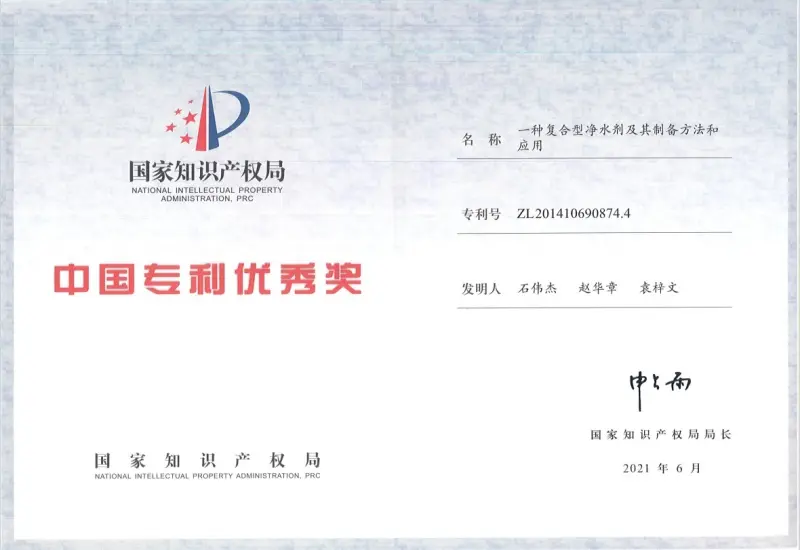
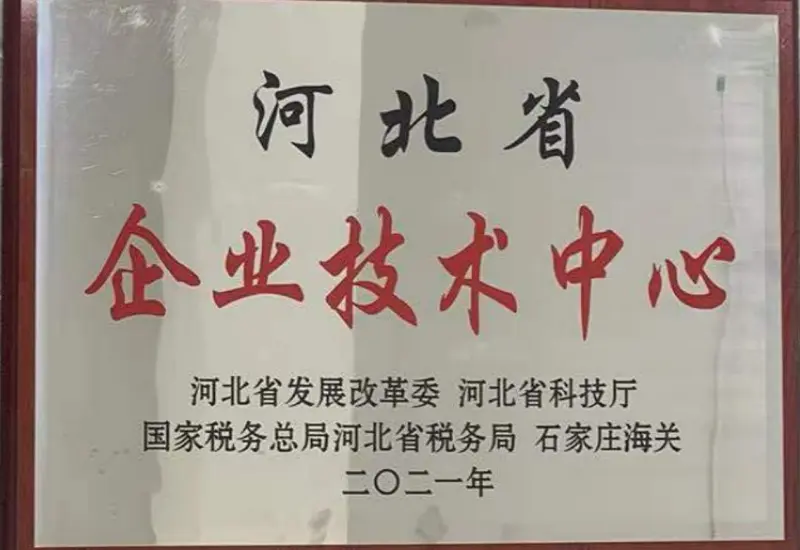
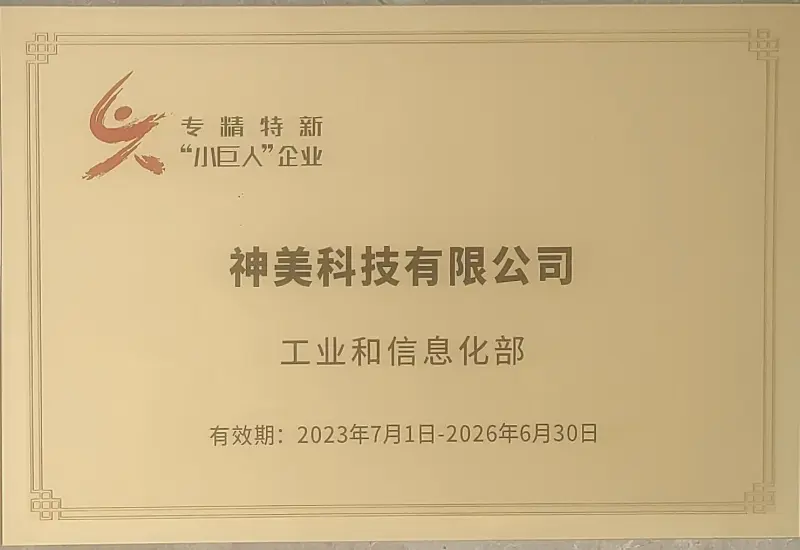
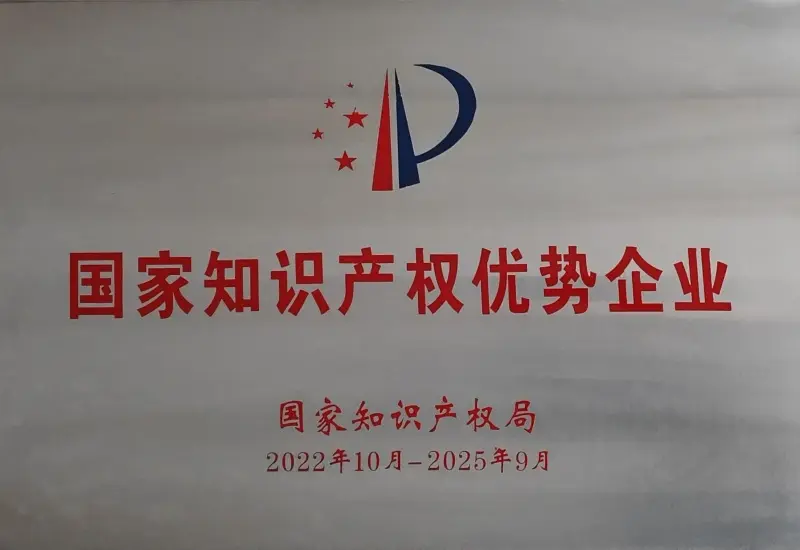
We are recognized under elite national development categories in China:
Global Efficiency, Unmatched Technical Precision, and Direct Shipping to Chile
Our raw materials are sourced directly through highly integrated industrial clusters. Combined with automated scale operations, Smedic provides high-concentration chemical formulas at unit costs significantly lower than localized South American distributors.
Every single batch undergoes testing for heavy metals, ionic activity, and purity. We enforce rigorous ISO 9001 and ISO 14001 standards, ensuring our chemicals cause no collateral damage to sensitive membranes or biological treatment processes.
Smedic is strategically aligned with major shipping routes, delivering containerized shipments from Tianjin and Qingdao directly to Valparaíso, San Antonio, and Antofagasta in Chile. We handle complete customs declarations and export compliance.
A Journey of Quality, Research, and Ecological Commitment
Globally Recognized Standards for Chemical Safety & High Engineering Value

Solving Complex Environmental Engineering Scenarios Localized to Chile
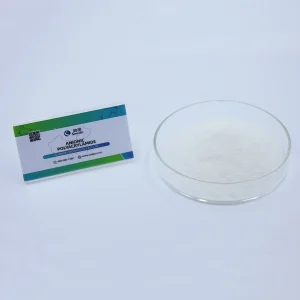
In operations around Antofagasta and Atacama, copper concentration plants produce heavy tailing slurries. Clarification is essential to recover over 85% of process water. Our customized Anionic Polyacrylamide APAM provides superior electrostatic attraction to mine tailing fines, speeding up sedimentation in thickener overflows, maintaining target underflow density, and removing trace mineral-locked phosphorus before water reuse.
Municipal wastewater plants servicing urban zones like Santiago and Valparaíso face strict limits on total nutrients. Dosing Smedic Advanced PAC or Polyferric Sulfate (PFS) at the primary clarifier or tertiary polishing stage ensures rapid complexation. It drives soluble orthophosphate values down to non-detect levels while optimizing sludge dewatering parameters.
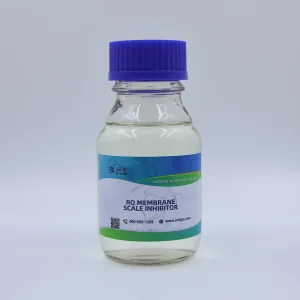
As Chile increases its reliance on seawater desalination to supply drinking and industrial water, protecting costly RO membranes from mineral scaling is a priority. Using Smedic's RO Membrane Scale Inhibitors prevents calcium phosphate precipitation on high-pressure membrane surfaces, extending membrane life, minimizing chemical cleaning intervals, and maintaining optimal permeate flow.
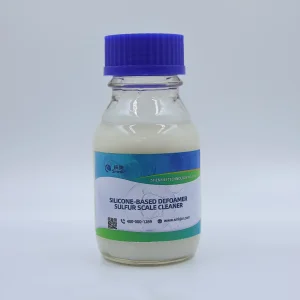
Salmon hatcheries and processing plants in Puerto Montt generate water rich in organic lipids and dissolved nutrients. Smedic's combinations of Organic Silicone Defoamers and high-charge Cationic PAM facilitate Dissolved Air Flotation (DAF) separation. This process effectively removes biological phosphorus and reduces chemical oxygen demand (COD) before discharge.
Expert Insights on Phosphorus Removal and Chemical Optimization
Comprehensive Chemical Solutions for Mining, Industry, and Infrastructure
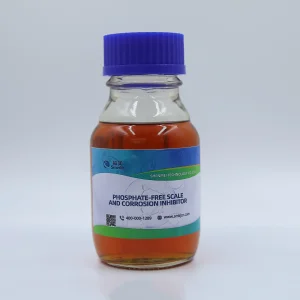
Connect directly with our chemical engineering team. Smedic provides tailored chemical selection, dosing simulations, free sample evaluations, and complete ocean logistics management to Chile.
Send Inquiry Now Smedic Tech