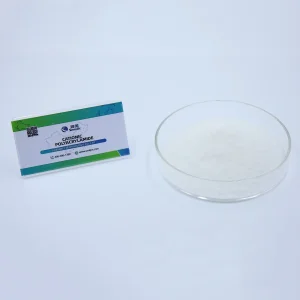
High-Performance Wastewater Coagulants and Flocculants Engineered for EU Compliance, Advanced Municipal Upgrades, and Complex Slovakian Industrial Wastewater Treatment Streams.
Specially selected advanced reagents offering exceptional high-affinity molecular binding for immediate phosphorus precipitation and sludge conditioning across Slovakia's heavy industry and municipal sectors.
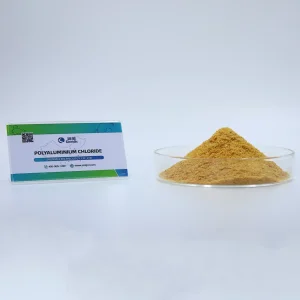
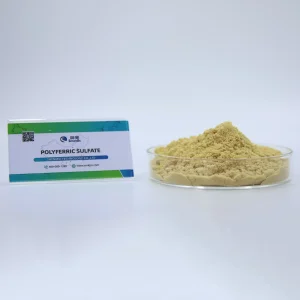
Slovakia, nestled within the ecologically critical Danube River Basin, operates under stringent environmental regimes governed by the European Union Water Framework Directive (2000/60/EC) and Slovakia's national environmental statutes, particularly the Water Act (Act No. 364/2004 Coll.). The presence of eutrophication-causing agents, primarily orthophosphates and total phosphorus (TP), represents a significant ecological hurdle for municipal water utilities and major manufacturing hubs across Western and Eastern Slovakia. Runoff and industrial discharge entering central watercourses like the Váh, Hron, and Danube demand reliable, high-precision chemical precipitation technology.
In accordance with Regulation No. 269/2010 Coll. of the Government of the Slovak Republic, discharging effluents containing high concentrations of phosphorus into surface waters is strictly monitored, with municipal wastewater treatment plants (WWTPs) in large urban agglomerations (exceeding 100,000 population equivalent) forced to target effluent TP limits below 1.0 mg/L, and in many critical sensitive zones, less than 0.5 mg/L. Smedic Technology Co., Ltd. provides state-of-the-art chemical formulations, including deep multi-nuclear polyaluminum chloride (PAC) and high-efficiency polyferric sulfate (PFS) coagulants, precisely formulated to achieve these targeted limits with low residual metal concentrations.
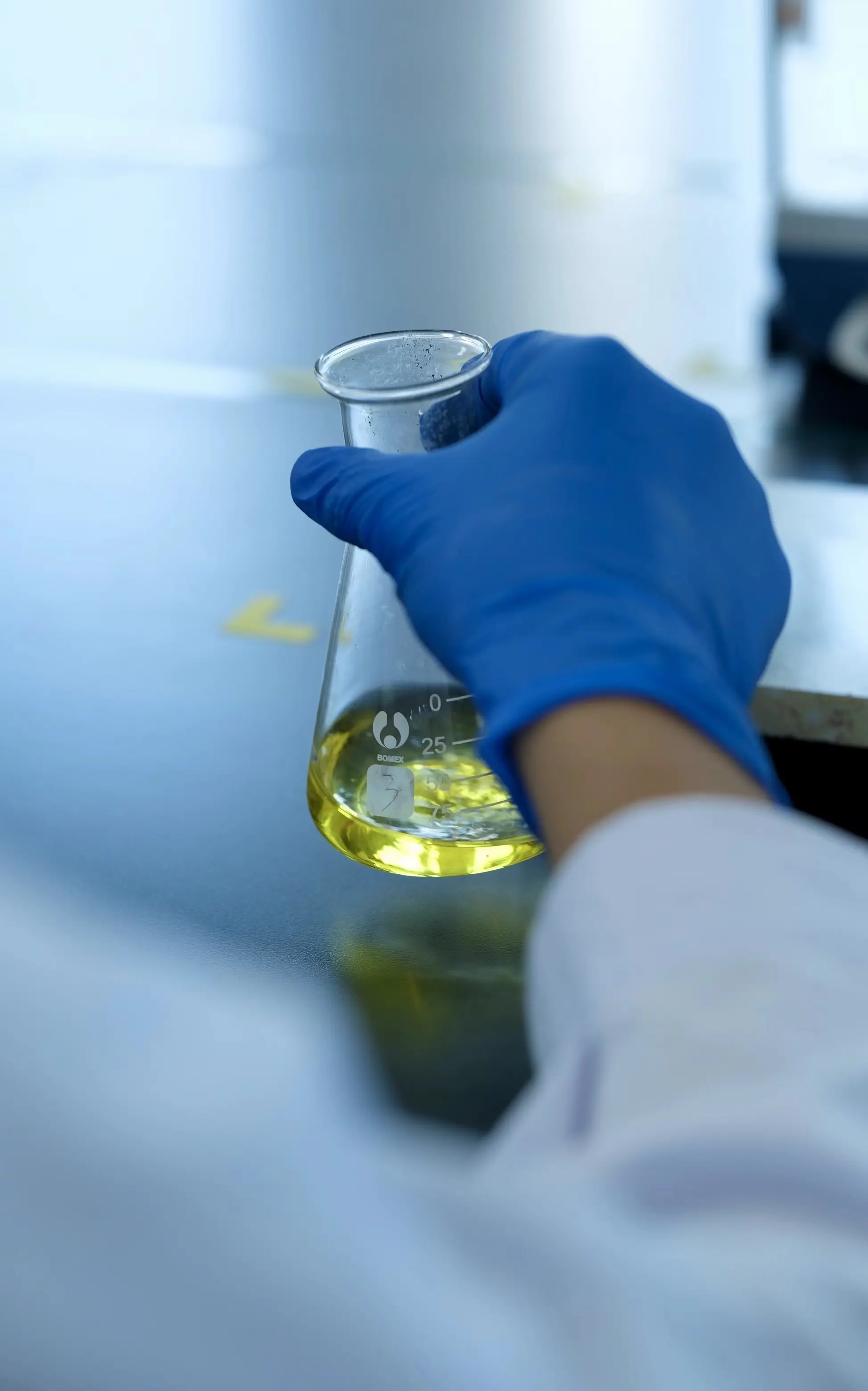
Understanding the thermodynamic and molecular dynamics of inorganic-organic hybridization in targeted orthophosphate sequestration.
| Chemical Agent Class | Predominant Interaction Mechanism | Optimal pH Range | Ideal Slovakian Application Scenario |
|---|---|---|---|
| Advanced Polyaluminum Chloride (PAC) | Al3+ complexes with PO43- to form AlPO4(s) precipitate; sweep flocculation via highly charged Al13 polycations. | 6.0 - 7.5 | Municipal WWTPs undergoing modernization in Bratislava & Košice; low-temperature Váh river basin treatment. |
| Polyferric Sulfate (PFS) | Fe3+ complexation forming insoluble FePO4. High charge neutralization capacity. Superior density floc formulation. | 5.5 - 8.5 | Heavy industrial metallurgical waste streams (steel plants in Eastern Slovakia), coal-fired ash water conditioning. |
| Anionic Polyacrylamide (APAM) | Polymeric bridging binding micro-flocs of metal-phosphate precipitates into dense, heavy agglomerates for rapid sedimentation. | 7.0 - 10.0 | Sludge thickening, dewatering decanters in food processing plants (nitra agricultural sector). |
| Cationic Polyacrylamide (CPAM) | Charge neutralization of negatively charged colloidal organic matter coupled with polymeric bridging for sludge cake dryness. | 6.0 - 8.5 | Centrifugal municipal sludge dewatering systems; mechanical belt press optimization. |
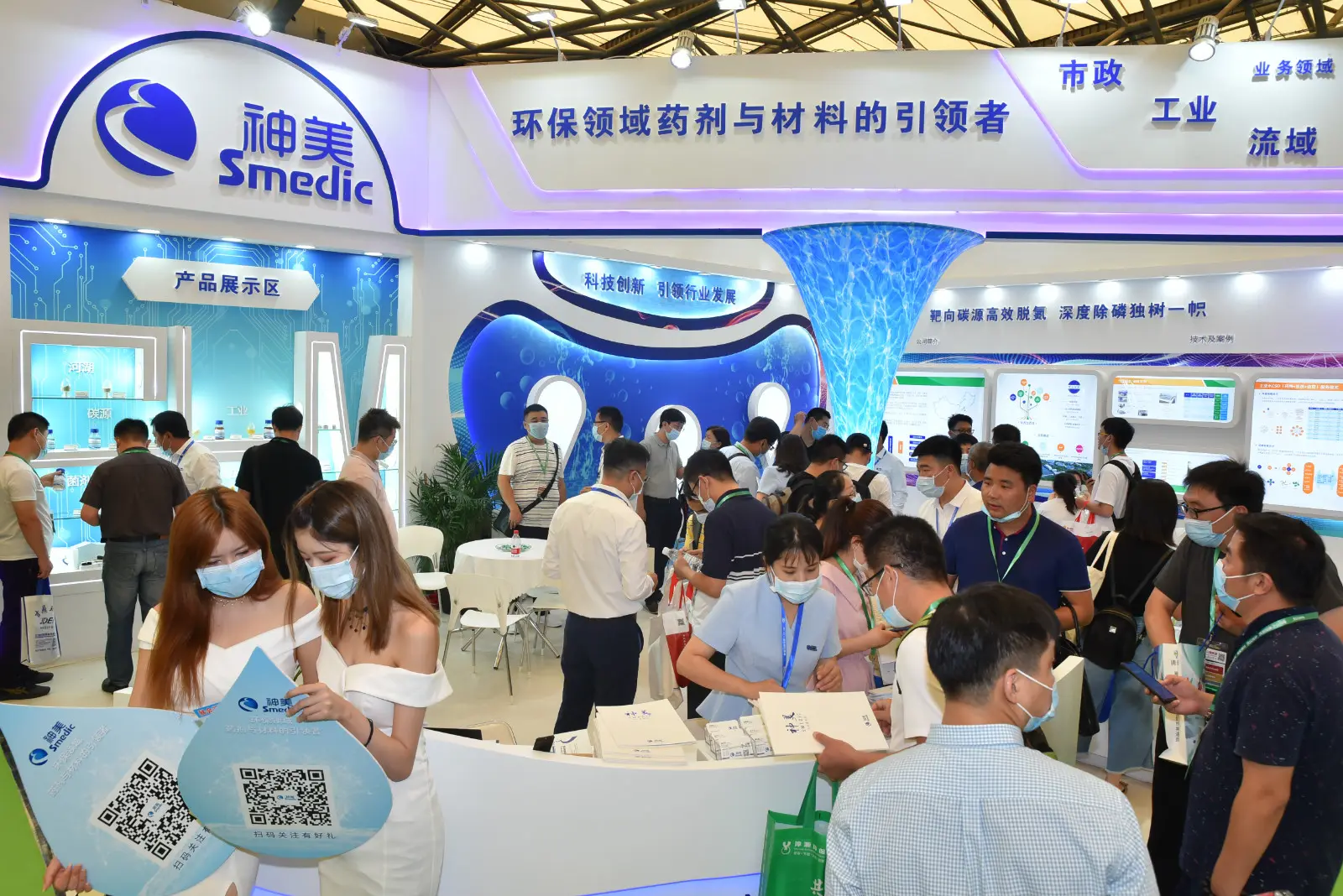
Standard phosphorus precipitation processes often generate significant chemical sludge, which presents secondary disposal challenges in the European Union under strict sludge handling guidelines. To address this, Smedic has developed an independently patented "Inorganic-Organic Covalent Bond Flocculant and Its Advanced Water Purification Technology". This technology won the 22nd China Patent Award and the First Prize for Technological Invention from the China Petrochemical Industry Association.
By pre-reacting polyvalent metal ions (like Al or Fe) with organic polymer networks under controlled synthetic conditions, we create a hybrid reagent. This dual-action chemical possesses high concentration coordination sites that rapidly capture phosphate anions, while the integrated polymer backbone directly binds these precipitates. The result is a 30% reduction in chemical sludge volume, significantly lower sludge disposal costs for Slovakian operators, and enhanced filter run times.
Tailoring water treatment portfolios to meet the unique wastewater footprints of Slovak heavy manufacturing, automotive hubs, and food processing complexes.
Regions: Bratislava, Trnava, Nitra, Žilina.
Challenge: Electroplating, degreasing, and painting processes yield high concentrations of complex organophosphorus compounds and heavy metals.
Solution: Smedic Organophosphorus corrosion inhibitors coupled with heavy metal removal agents to ensure compliant Zero Liquid Discharge (ZLD) configurations.
Regions: Košice and Central Slovakia.
Challenge: High-volume, highly alkaline slag wash waters and process effluents laden with iron oxides, fluorides, and heavy metal ions.
Solution: High-charge Polyferric Sulfate (PFS) and Specialized Fluoride Removal Agents to precipitate multiple anions in a single settling step.
Regions: Nitra, Dunajská Streda, Southern Plains.
Challenge: Extremely high organic loading (BOD/COD) combined with concentrated phosphorus originating from wash waters, starches, and dairy wastes.
Solution: Pre-precipitation with PAC followed by high molecular weight APAM / CPAM sludge separation to maximize biomass recovery and dewatering efficiency.
Regions: Šaľa, Bratislava district.
Challenge: Extremely high industrial phosphorus loads that overload conventional biological aeration basins.
Solution: Deep multi-nuclear inorganic precipitation schemes designed to handle fluctuating pH and extreme ionic strength.
Established in 2011, Smedic Technology has evolved into a comprehensive solution provider specializing in environmental protection agents, integrating intensive R&D, mass production, sales, and complex engineering technical services. Our headquarters is located in Beijing, with wholly-owned production bases situated in Hebei, Guizhou, Shanxi, and other resource-rich areas. To guarantee seamless domestic and international distribution, we operate over ten OEM partner facilities and regional warehousing networks across major logistical corridors.
Our environmental agent catalog includes more than 80 types of proprietary formulations covering municipal sewage, industrial wastewater, cooling tower scale prevention, defoaming agents, and oilfield operations, with a total cumulative annual production capacity exceeding 1,000,000 tons. Serving over 600 urban sewage treatment plants and 1,000+ global end customers, the total sewage treatment capacity involved in our projects exceeds 20 million tons per day, establishing our presence in the high-end environmental chemicals sector.
Our ongoing technical leadership is driven by a core R&D team comprising senior chemical engineering academicians, municipal design experts, university professors, and senior technicians. Smedic operates an integrated R&D network encompassing one academy, three research institutes, and five production facilities. We host several recognized platforms, including the Hebei Provincial Enterprise Technology Center, the Advanced Water Treatment Chemicals Technology Innovation Center, and the Cangzhou Engineering Technology Research Center, recognized as a Class A R&D institution.
Smedic is a National High-tech Enterprise and has been designated as a National Specialized, Refined, Unique and Innovative "Little Giant" Enterprise. Our close collaboration with prestigious institutions like Tsinghua University, Shandong University, and Beijing University of Technology has allowed us to commercialize cutting-edge chemical methodologies. Our research has yielded over 60 patents (including more than 40 invention patents) and established over 10 national and industry standards for composite carbon sources, composite coagulants, and biological bacterial agents.
Our structural timeline represents a continuous commitment to research, market expansion, and industrial scale-up.
Smedic was founded in Beijing, initializing specialized R&D for wastewater processing coagulants and customized polymers.
Established a complete municipal wastewater treatment product line. Entered critical regional procurement lists for major municipal water groups.
Completed the Guiyang production base, establishing a regional logistics hub to support rapid delivery networks.
Production facilities across Hebei, Shandong, and Guizhou reached a combined capacity of 1,000,000 tons annually.
Recognized as a National Specialized, Refined, Unique and Innovative Small and Medium-sized Enterprise by government ministries.
Established a joint venture with the Chengdu Institute of Mineral Comprehensive Utilization, expanding into chemical mining reagents and targeting European and Slovakian industrial partnerships.
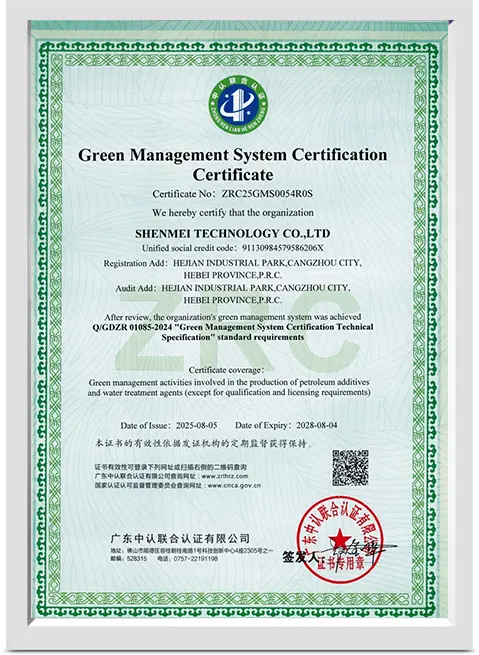
Smedic products strictly adhere to international QA/QC guidelines. Below are our key operational certificates and high-tech patents.
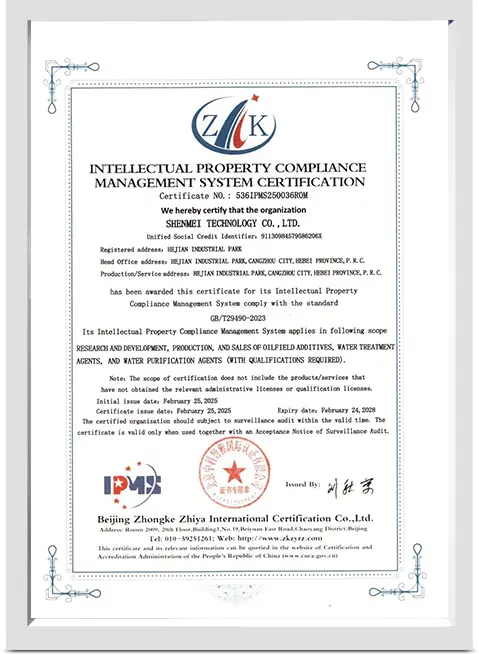
Invention Patent: Deep Multi-Nuclear Phosphorus Removal Agent
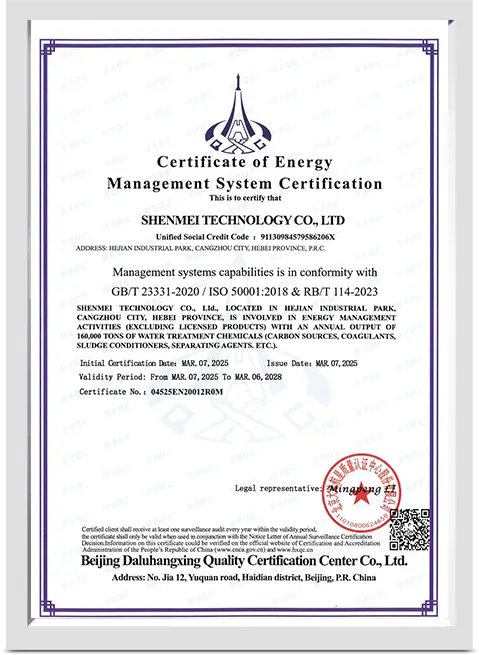
Invention Patent: Advanced Inorganic-Organic Flocculation Systems
Utility Patent: Carbon Source Dosing Precision Controllers
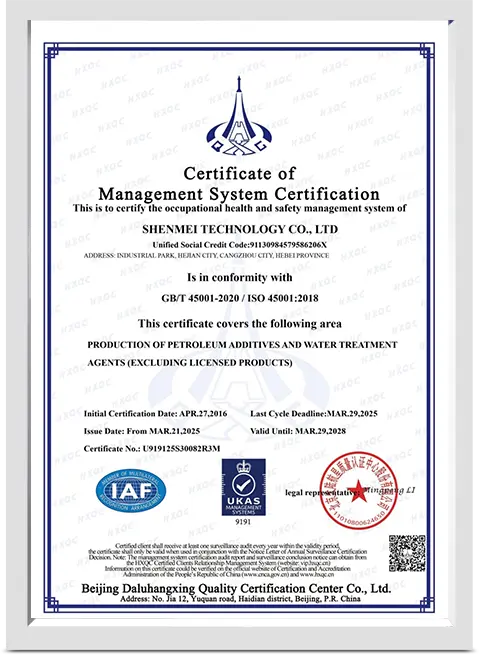
National Green Factory Certification of Hebei Facility
Our quality assurance protocols encompass comprehensive inbound raw material testing, online real-time chemical process control, and strict batch release inspections. This ensures every ton delivered to Slovakian ports matches our certified engineering specifications.
A comprehensive selection of specialized coagulants, flocculants, defoamers, scale inhibitors, and heavy metal removal agents designed for complex Slovak industrial waste treatment.
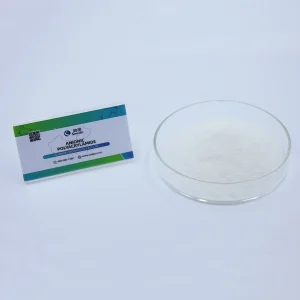
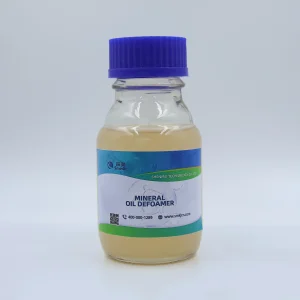
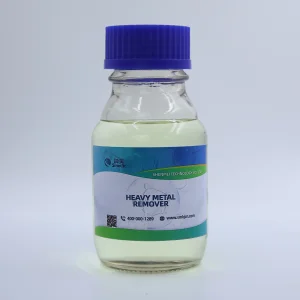
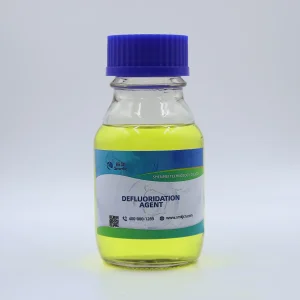
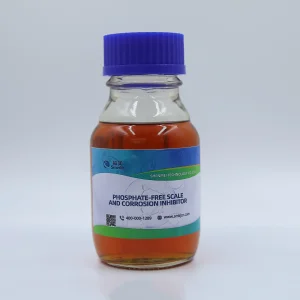
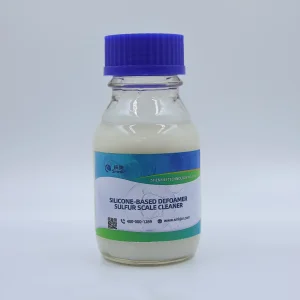
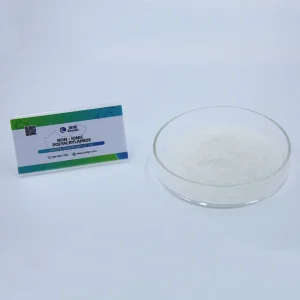
To ensure maximum industrial compliance and cooling system longevity, we supply specialized corrosion formulations for Slovak manufacturing networks:
Engineered for closed-loop cooling towers in automotive manufacturing.
Flocculant and precipitator specialized for pickling line rinse wastewater.
For heavy chemical parks and municipal wastewater treatment upgrades.
High concentration formulation for electroplating waste streams.
Importing chemical agents into Slovakia requires strict alignment with European chemical safety regulations. All Smedic products exported to the Slovak market are fully compliant with the Registration, Evaluation, Authorisation and Restriction of Chemicals (REACH) regulations. We provide comprehensive safety documentation, including multilingual Safety Data Sheets (SDS) in Slovak, to ensure compliance with European Chemical Agency (ECHA) standards.
Logistically, we utilize shipping routes linking our manufacturing facilities with Central and Eastern Europe. Shipments destined for industrial sites in Bratislava, Žilina, or Košice are dispatched from major ports via intermodal rail networks directly to inland dry ports in Slovakia. We offer customized packaging configurations, including 25kg bags, 1000kg IBC totes, and bulk tank deliveries, supported by localized warehouse partners within the EU for prompt dispatch.
Leading the development of environmentally sustainable coagulants and flocculation systems.
Developing modified Polyaluminum Chloride with high polymerization index, minimizing dissolved Al residual in drinking water to < 0.1 mg/L to meet strict EU drinking standards.
R&D program focusing on starch-graft-acrylamide and chitosan-modified flocculants, achieving natural biodegradability for ecological sludge disposal.
Our phosphate-free scale and corrosion inhibitors are designed for industrial cooling towers, preventing downstream eutrophication and simplifying compliance.
Partnering with engineering design houses to supply smart dosing systems that dynamically adjust chemical feed rates based on real-time orthophosphate sensor inputs.
Addressing technical questions regarding phosphorus removal dynamics, sludge management, and importing logistics for Slovakian operations.
Partner with Smedic's technical team for tailored chemistry formulations, Jar testing support, and compliant water treatment operations in Slovakia.
 Smedic Tech