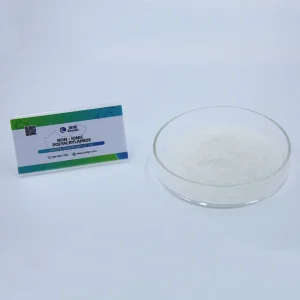
Ferrous sulfate, an inorganic compound denoted chemically as FeSO₄, serves as a cornerstone reagent spanning environmental reclamation, municipal wastewater clarification, intensive agronomy, and high-precision pharmaceutical formulations. While standard commercial grade heptahydrate (FeSO₄·7H₂O) represents the primary bulk industrial substrate, the global chemical ecosystem is seeing a structural shift toward specialized formats. Among these, compressed Ferrous Sulfate Pills, Granules, and Micro-tablets have emerged as critical vectors. These formats mitigate the inherent weaknesses of traditional crystalline salts—such as structural caking, high dusting risk, and rapid ambient oxidation from divalent Fe(II) to trivalent Fe(III).
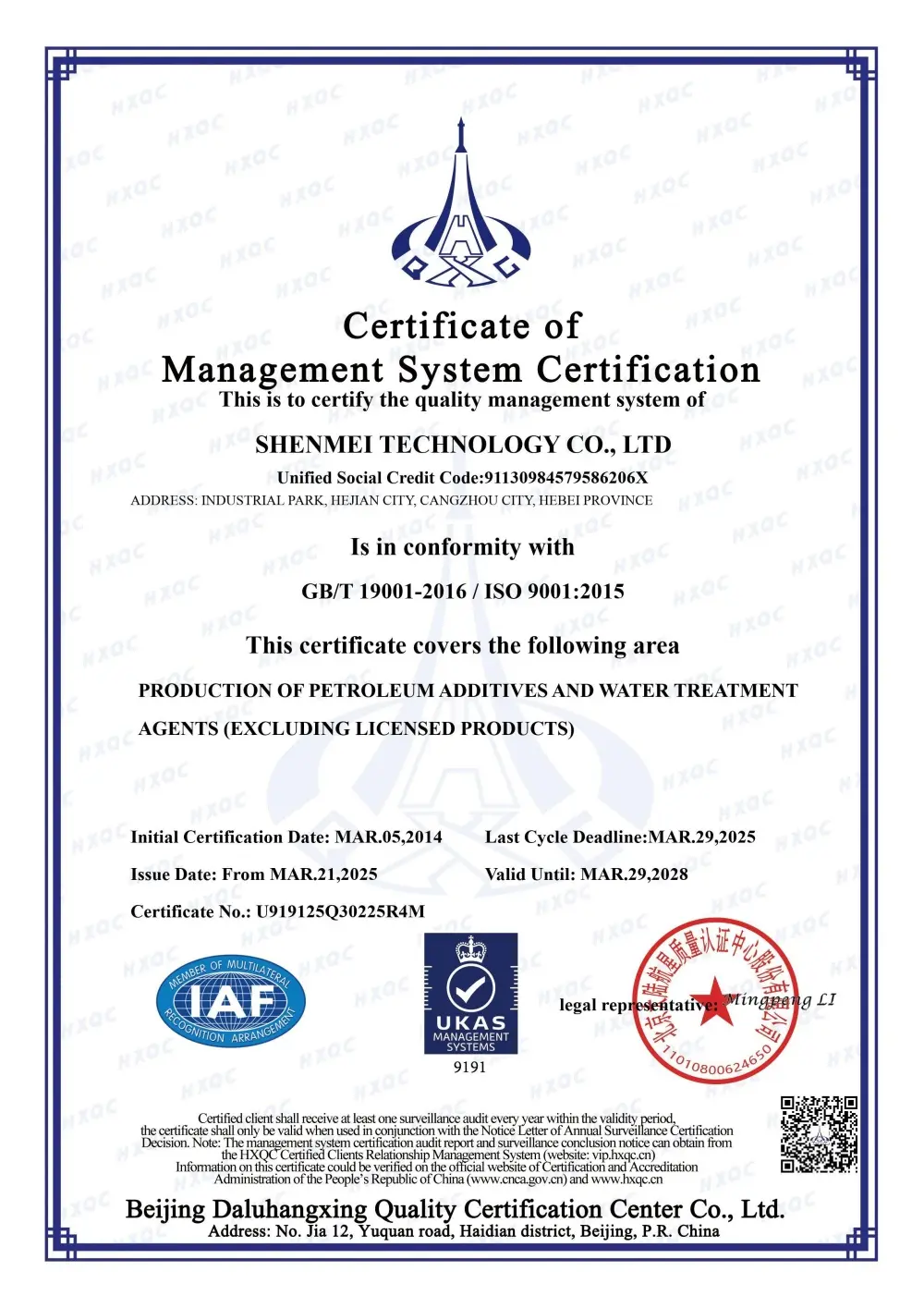
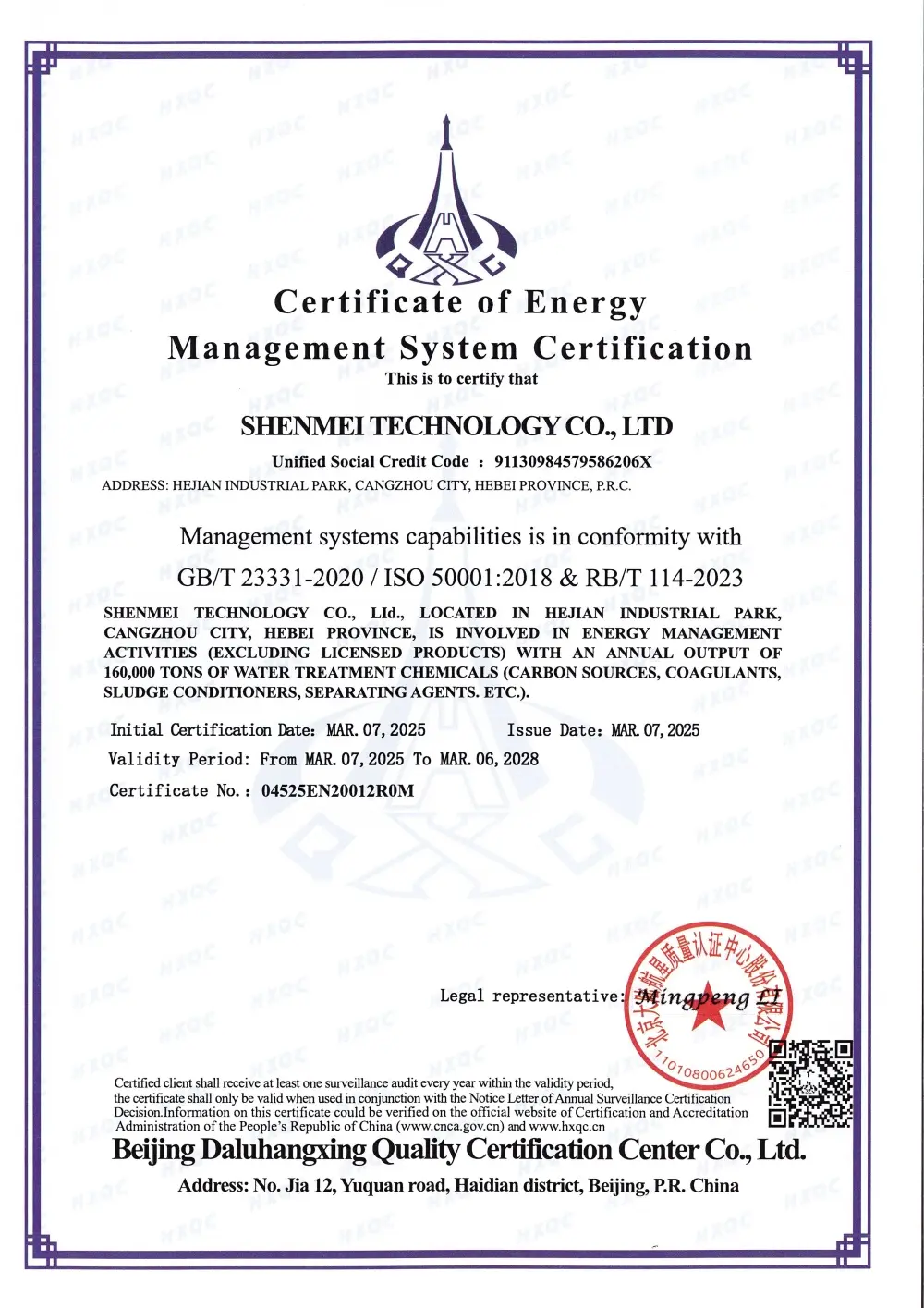
As a leading Chinese environmental agent manufacture powerhouse, Smedic Technology Co., Ltd. has leveraged multi-nuclear iron-based synthesis pathways to pioneer advancements in this domain. Modern supply chains necessitate strict compliance, minimal impurity footprints, and high solubility dynamics. The role of China as a leading supplier and exporter of ferrous sulfate formulations is defined by the integration of large-scale chemical infrastructure with rigorous quality management protocols, ensuring that exported materials conform to international ISO standards and specialized local parameters.
Preventing oxidation of divalent Fe²⁺ is critical for high-performance flocculation. Our pills utilize surface passivating techniques to ensure chemical integrity during extended sea transport.
Compared to fine powders, spherical pill formats reduce occupational inhalation hazards and allow for precise automated dosing across industrial installations.
Compaction pressure is balanced to ensure rapid disintegration under mechanical agitation, resulting in high concentrations of active coagulant ions in solution.
Established in 2011, Smedic Technology Co., Ltd. stands as a comprehensive solution provider specialized in environmental protection agents, integrating advanced research and development (R&D), massive scale production, global sales, and engineering-related technical services.
We are dedicated to providing global municipal and industrial customers with customized chemical products, technical solutions, and services. Smedic produces environmental protection agents covering multiple sectors such as municipal sewage, industrial wastewater, and tap water treatment, as well as mineral processing agents and oilfield chemicals. We offer more than 80 different environmental protection products, with an annual production capacity exceeding 1 million tons.
Our corporate headquarters is located in Beijing, we have multiple wholly-owned production bases in Hebei, Guizhou, Shanxi, and other regions, and have set up more than ten OEM partner factories and regional warehousing and logistics bases in Shandong, Shanxi, Anhui, Guangxi, and Sichuan provinces, among others. Our business and service network covers over 20 provinces across China.
Service network spanning over 20 provinces, ensuring timely logistics and rapid chemical dispatch.
Our projects actively support operations in more than 600 urban sewage treatment plants nationwide.
Supporting over 1,000 end customers in industrial wastewater treatment, mineral processing, and oilfields.
The total treatment capacity involved in our projects exceeds 20 million tons per day, establishing us as a leading brand.
The global demand for ferrous sulfate has changed in recent years. Historically viewed as an industrial byproduct of titanium dioxide (TiO₂) extraction through the sulfate process, it has evolved into a highly valued raw material. This transition is driven by its usage in modern environmental remediation, where it serves as a highly efficient reducing agent, phosphorus precipitant, and coagulation promoter.
In Europe and North America, strict limits on phosphorus discharge in wastewater have driven up the demand for iron salts. Meanwhile, in industrializing regions like Southeast Asia and Latin America, the focus is on heavy metal removal from manufacturing effluents. Crystalline heptahydrate remains popular for local processing, but international exporters prefer stabilized, dehydrated, and compacted pills or granular forms to reduce shipping costs and prevent moisture contamination.
One of the primary challenges for exporters is chemical stability during maritime transport across different climate zones. Crystalline ferrous sulfate tends to release crystal water at elevated temperatures, leading to caking and container corrosion. As a result, global procurement teams are shifting toward high-purity mono-formulations and vacuum-sealed compact pills.
The synthesis of premium-grade ferrous sulfate requires precise control over raw material purification, acid concentration, and crystallization temperatures. Smedic Technology utilizes advanced filtration technologies to isolate trace heavy metals (like Pb, As, Cd) during processing, ensuring our products meet environmental guidelines for water treatment chemicals.
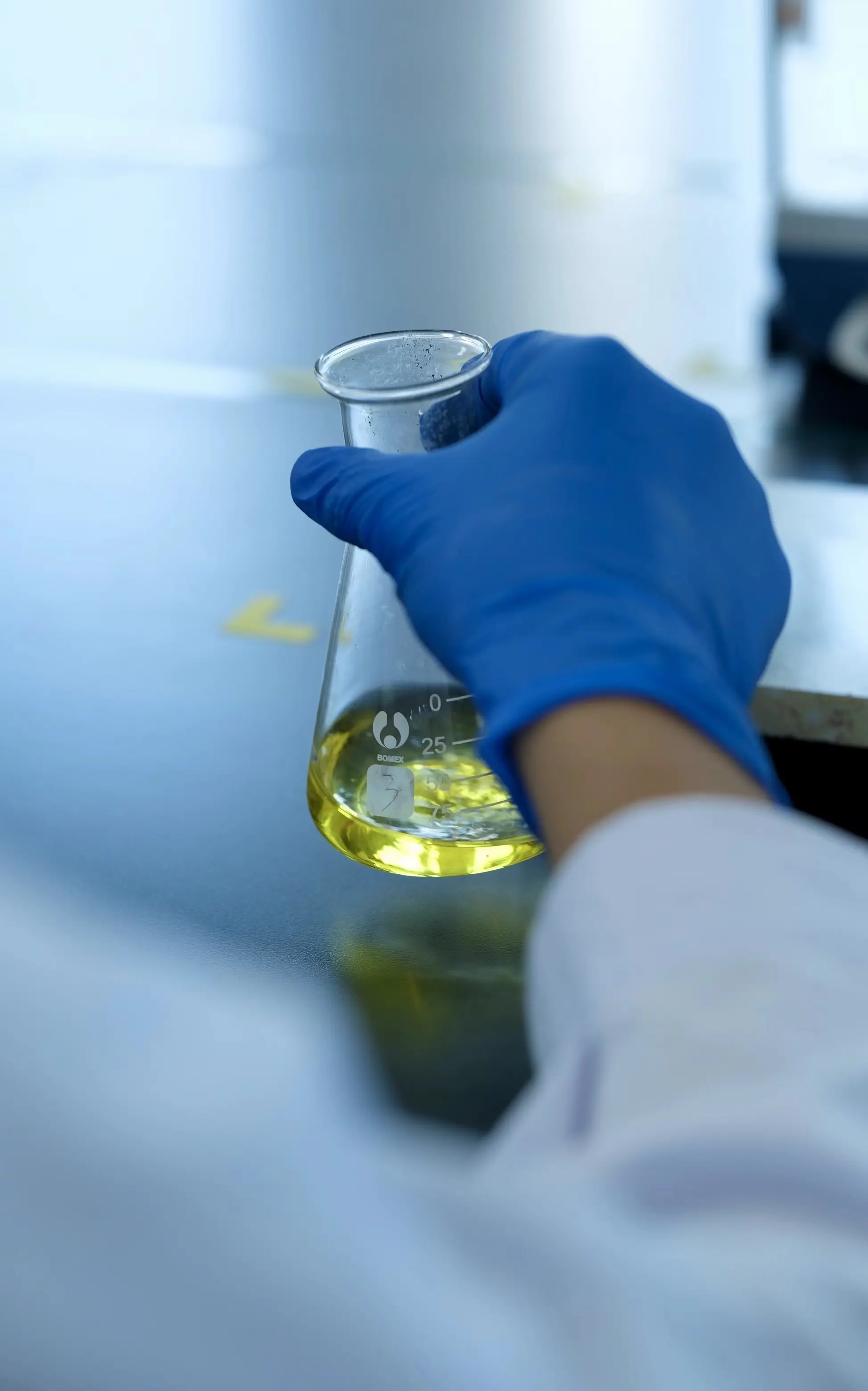
Our research and development program, supported by leading academic institutions, focuses on the structural modification of iron-based coagulants. In standard coagulation, Fe³⁺ is often favored for its rapid kinetics. However, Fe²⁺ from ferrous sulfate offers advantages in specific reduction reactions, such as converting hexavalent chromium (Cr⁶⁺) to trivalent chromium (Cr³⁺) in alkaline media. Below is our R&D and production process mapping:
Raw iron-bearing liquor undergoes selective chemical precipitation and multi-stage filtration. This process reduces heavy metal impurities (such as arsenic and lead) to trace levels.
Precise vacuum crystallization controls the moisture content, preventing thermal decomposition of the heptahydrate and yielding stable monohydrate or refined heptahydrate crystals.
High-pressure briquetting and pill compaction shape the material. An optional micro-coating prevents surface oxidation and preserves the Fe²⁺ oxidation state during shipping.
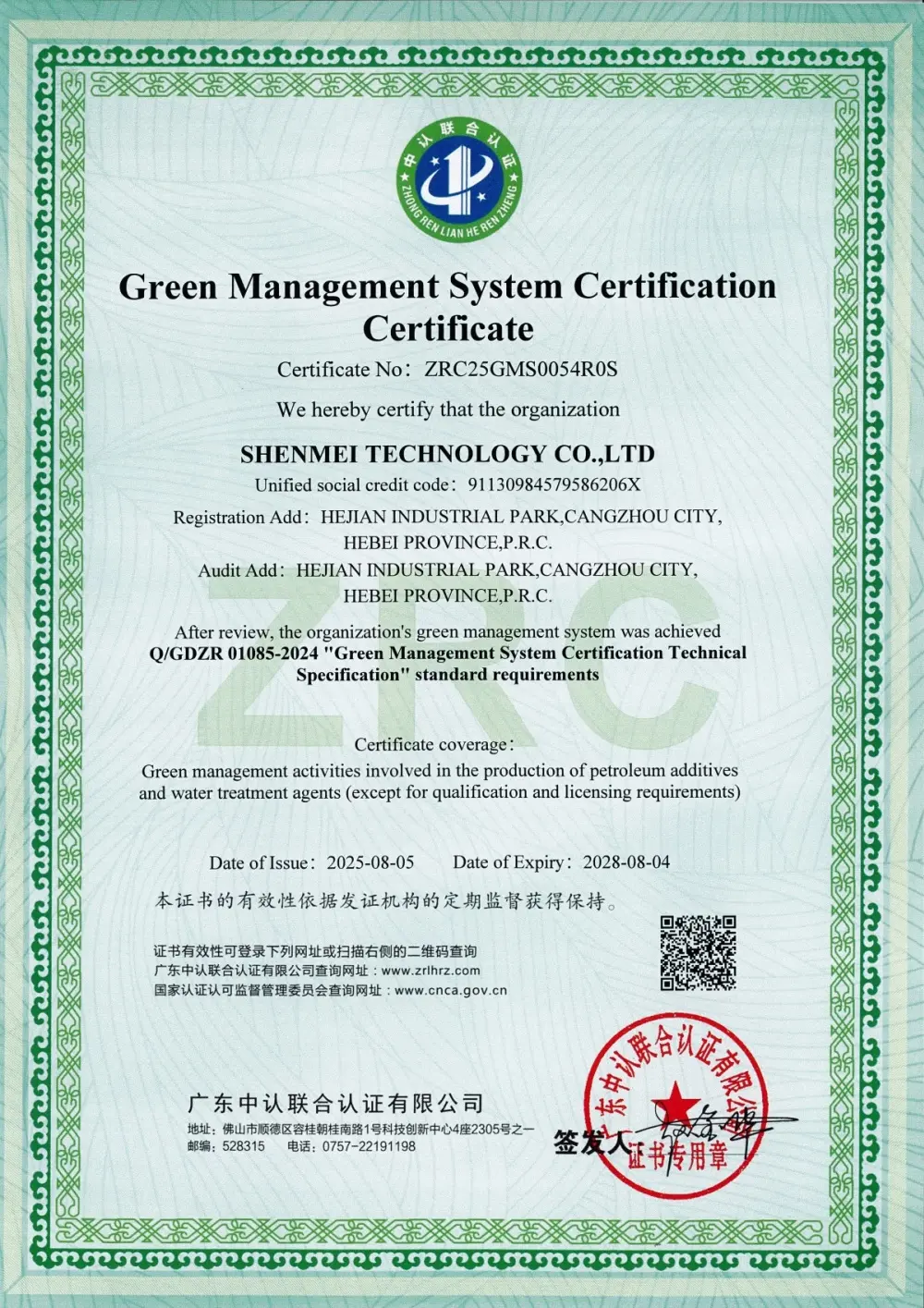
We have obtained qualifications such as National High-tech Enterprise, National Specialized, Refined, Unique and Innovative "Little Giant" Enterprise, National Key-Supported Specialized, Refined, Unique and Innovative "Little Giant" Enterprise, Hebei Province Specialized, Refined, Unique and Innovative "Little Giant" Demonstration Enterprise, Hebei Province Green Factory, Hebei Province Science and Technology-based Small and Medium-sized Enterprise, and China's Science and Technology-based Innovative Small and Medium-sized Enterprise.
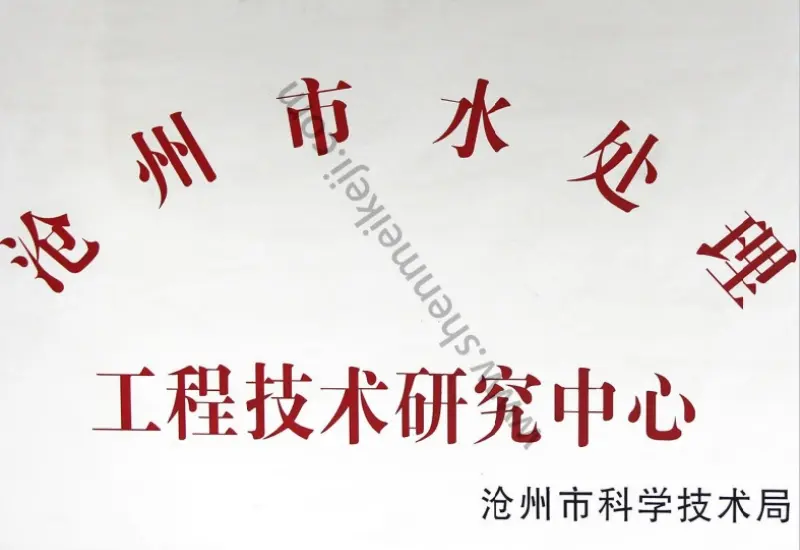
We have a core technical team composed of academicians, experts, professors, and senior engineers, and have established an R&D system and a technology commercialization platform centered around one academy, three research institutes, and five bases. We have established the Hebei Provincial Enterprise Technology Center, the Hebei Provincial Advanced Water Treatment Chemicals Technology Innovation Center, and the Cangzhou Water Treatment Engineering Technology Research Center, and have been recognized as a Class A R&D institution in Hebei Province.
Additionally, we have established an expert workstation with the Tsinghua University Association of Senior Scientists and Technicians, and have set up joint R&D laboratories with Shandong University and Beijing University of Technology. We also serve as a commercialization partner for the industry-academia-research achievements of institutions such as Peking University and Tian天津 University.
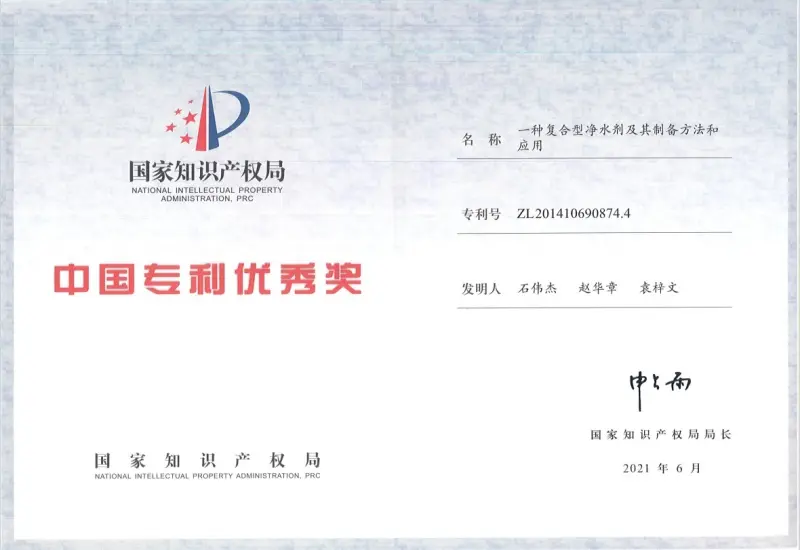
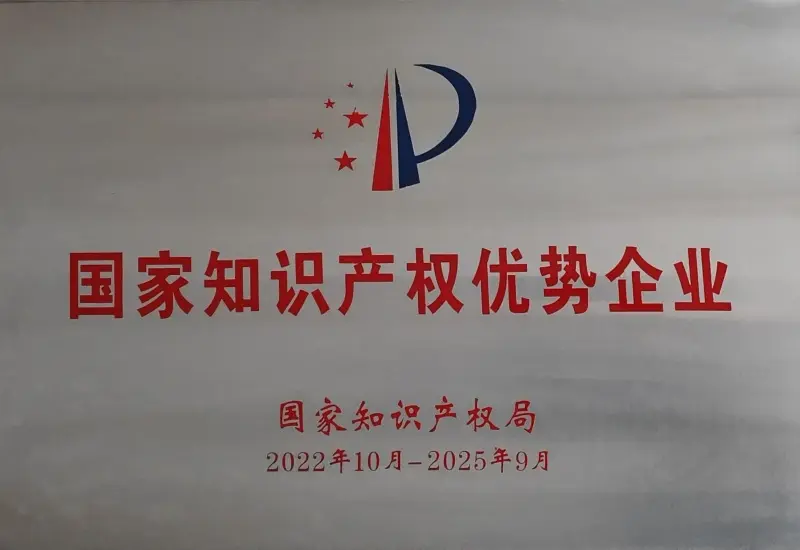
Patents & Standards: We have been granted over sixty Chinese patents, including more than forty invention patents and over twenty utility model patents. We have led the drafting of more than ten national and industry standards, including those for composite carbon sources, composite coagulants, sodium acetate, and nitrifying and denitrifying bacterial agents.
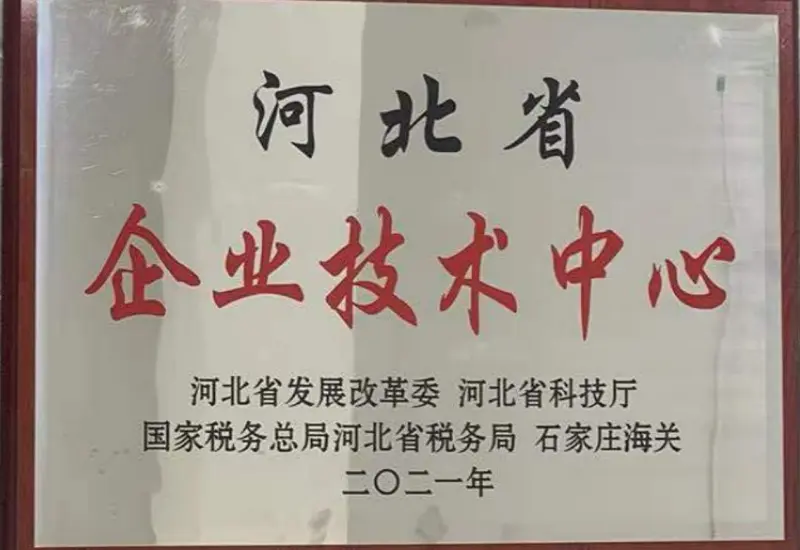
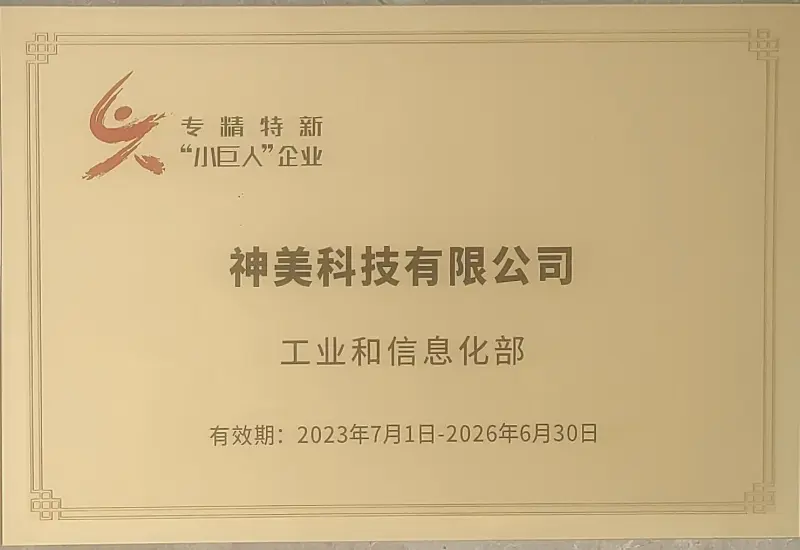
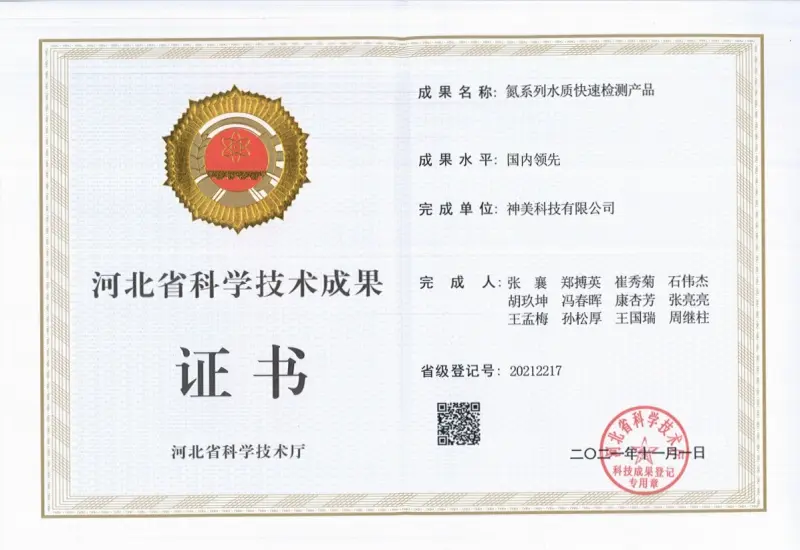
The patented technologies and products we have independently developed, such as the bio-enhanced denitrification carbon source and the deep multi-nuclear phosphorus removal agent, have passed the scientific and technological achievement evaluation conducted by the Science and Technology Department of Hebei Province. These achievements have been appraised as "internationally advanced" and have filled a domestic gap in this product category.
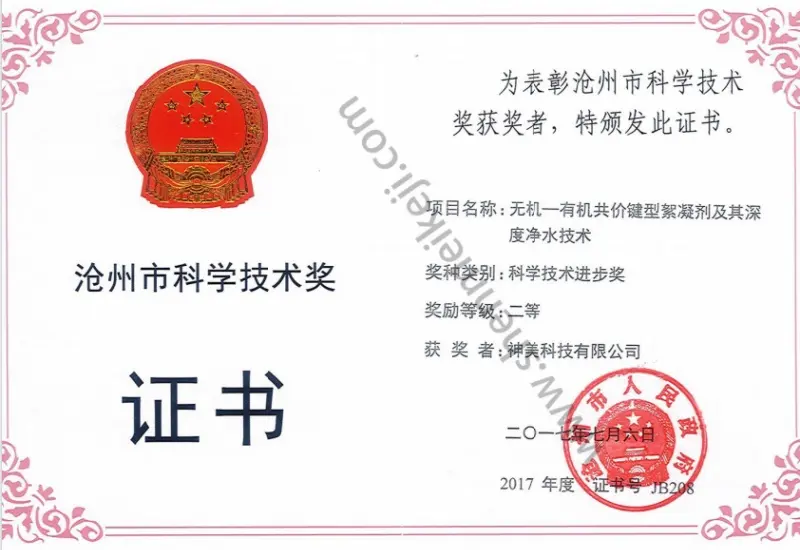
Our "Active Oxygen Compound Disinfectant" has been recognized as a National Construction Industry Scientific and Technological Achievement Promotion Project by the Ministry of Housing and Urban-Rural Development. Furthermore, our "Inorganic-Organic Covalent Bond Flocculant and Its Advanced Water Purification Technology" has won multiple awards, including the 22nd China Patent Award, the First Prize for Technological Invention from the China Petrochemical Industry Association, and the Hebei Province Science and Technology Progress Award.
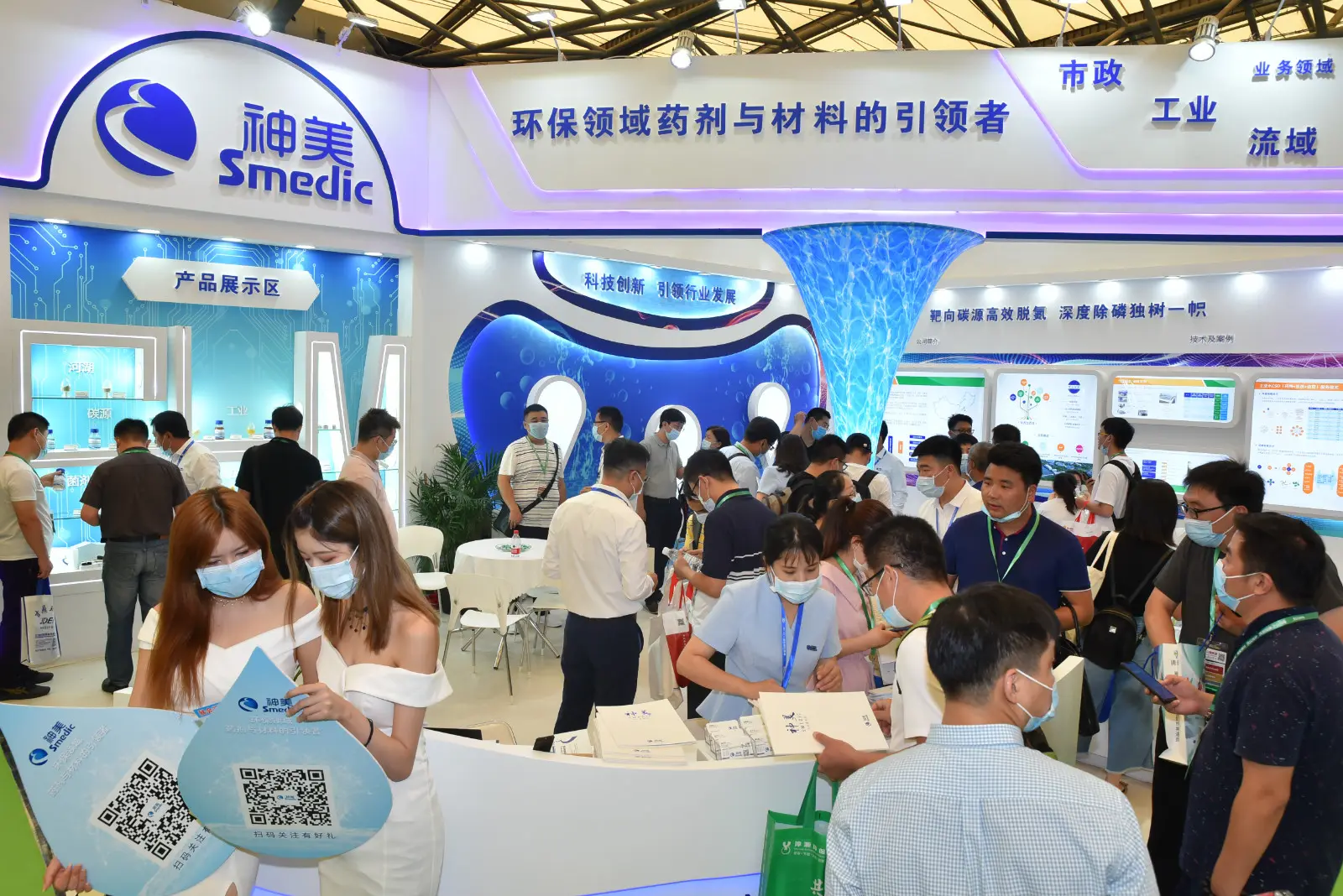
We have been recognized as the "Leading Brand of Advanced Wastewater Treatment Chemicals" and the "Most Valuable Water Treatment Chemicals Brand" by China Water Network and the E20 Environmental Platform for four consecutive years. We maintain long-term partnerships with dozens of major water groups, including Shouchuang Ecological and Environmental Group, Yangtze River Ecological and Environmental Group, Beijing Enterprises Water Group, OriginWater, and China Water Environment Group.
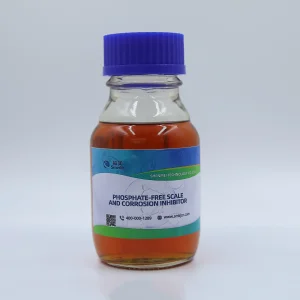
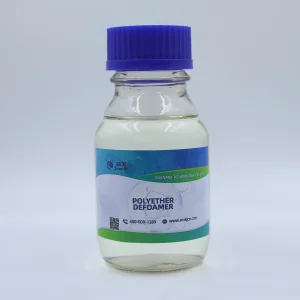
Modern industrial wastewater treatment is rarely resolved using a single chemical agent. Smedic Technology designs integrated treatment processes where ferrous sulfate is applied alongside our range of defoamers, scale inhibitors, and polymeric flocculants.
By dosing ferrous sulfate, Fe²⁺ is oxidized to Fe³⁺, forming insoluble Fe(PO₄) precipitates. This process is optimized for municipal plants handling over 50,000 tons/day.
Extensively used in textile printing and dyeing effluents. The divalent iron ions disrupt the chromophoric groups of synthetic dyes, reducing COD and color parameters.
Under acidic conditions, ferrous sulfate acts as a catalyst for hydrogen peroxide (H₂O₂), producing hydroxyl radicals (•OH) that break down bio-refractory industrial organics.
 Smedic Tech