As water quality standards globally face stringent regulatory updates, the selection of heavy-duty chemical coagulants has shifted towards high-efficiency, multi-nuclear polymer compounds. Polyferric Sulfate (PFS), denoted chemically as [Fe2(OH)n(SO4)3-n/2]m, stands at the absolute forefront of this technological shift. Characterized by high basicity, rapid floc settlement speeds, and outstanding performance across variable pH ranges, Polyferric Sulfate acts as the cornerstone solution for industrial wastewater purification, municipal sewage processing, oilfield recovery treatment, and heavy metal adsorption dynamics.
In this comprehensive industry whitepaper, we dissect the shifting trends, procurement requirements, macro-industrial applications, and technical innovations that position Chinese manufacturers as critical nodes in the global supply of premium coagulants. Driven by R&D breakthroughs and robust manufacturing ecosystems, Chinese exporters deliver high-purity PFS solutions that ensure chemical stability, regulatory compliance, and cost-efficiency for large-scale operations worldwide.
Established in 2011, Smedic Technology Co., Ltd. has grown into a highly specialized environmental protection chemical agent developer, manufacturer, and engineering partner. By integrating production, R&D, and customized field service frameworks, Smedic supports complex municipal sewage systems, tap water treatment projects, mineral processing sites, and oilfield extraction dynamics. Our catalog hosts over 80 distinct environmental protection chemicals, backed by an annual production capacity surpassing 1 million tons.
Headquartered in Beijing, Smedic operates wholly-owned manufacturing complexes in Hebei, Guizhou, Shanxi, and collaborates with more than ten OEM production hubs and strategic warehousing facilities in Shandong, Shanxi, Anhui, Guangxi, and Sichuan. This grid ensures seamless logistical integration across mainland China and international shipping hubs. Currently, Smedic services cover more than 600 urban wastewater treatment plants and more than 1,000 global end clients, processing over 20 million tons of wastewater per day.
Backed by our partnership with Tsinghua University Association of Senior Scientists and Technicians, Shandong University, and Beijing University of Technology, Smedic maintains three dedicated research centers and five engineering bases.
Holding over sixty Chinese patents, including forty core invention patents, Smedic has led national and industry standard development for composite carbon sources, sodium acetate agents, and nitrifying bacterial systems.
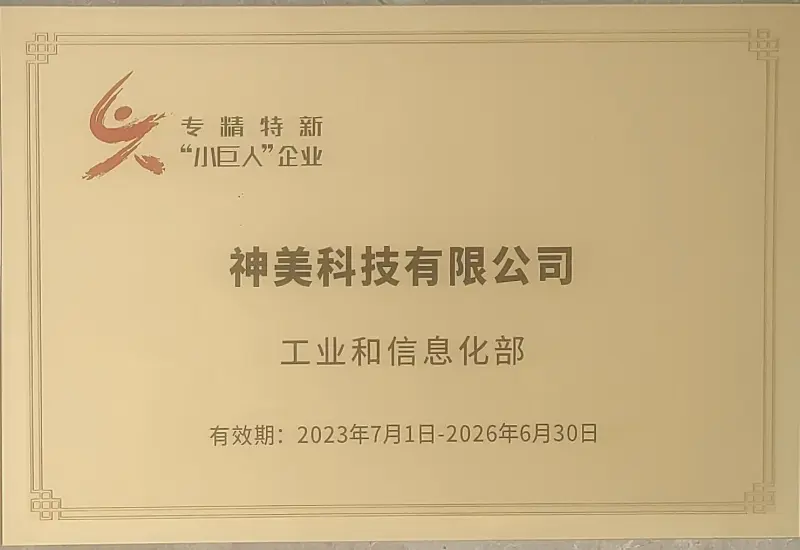
Recognized as a National Specialized, Refined, Unique and Innovative "Little Giant" Enterprise, Smedic has achieved first prize for Technological Invention from the China Petrochemical Industry Association.
In the international water treatment space, buyers from North America, Europe, Southeast Asia, and the Middle East are transitioning from traditional inorganic coagulants (like Aluminum Sulfate and Polyaluminum Chloride) toward iron-based polymer solutions. This transition is motivated by three macro factors:
Municipal water systems globally face strict regulatory pressure to eliminate phosphorus down to micro-levels (< 0.05 mg/L). Polyferric Sulfate reacts aggressively with soluble orthophosphates to form stable, dense ferric phosphate precipitates that settle quickly, outperforming alum-based alternatives.
PFS forms larger, heavier flocs compared to PAC. This dense structural configuration increases dewatering speeds, reducing sludge volume and subsequently lowering logistics and landfill disposal costs.
Unlike standard hydrolyzing iron salts (like Ferric Chloride) which severely drop water pH, PFS has high basicity. This limits acidity changes, preventing the need for extensive post-treatment alkaline additions (such as lime or caustic soda).
| Parameter Profile | Solid PFS (Smedic Standard) | Liquid PFS (Smedic Standard) | Analytical Compliance Method |
|---|---|---|---|
| Total Iron (Fe) Content | ≥ 19.0% - 21.0% | ≥ 11.0% - 12.0% | GB14591-2016 / AWWA C190 |
| Basicity (Hydroxide degree) | 8.0% - 16.0% | 8.0% - 16.0% | Acid-Base Titration |
| Reducing Iron (Fe2+) | ≤ 0.1% | ≤ 0.15% | Spectrophotometry |
| Insoluble Matter | ≤ 0.3% | ≤ 0.2% | Gravimetric Method |
| pH (1% aqueous solution) | 2.0 - 3.0 | 2.0 - 3.0 | Electrode Method |
| Heavy Metals (As, Pb, Cd) | ≤ 0.001% (Trace) | ≤ 0.0005% (Trace) | ICP-MS Compliance |
Every water purification ecosystem introduces unique chemical conditions. Smedic Technology designs system-wide chemical configurations using PFS to resolve challenging industrial and municipal problems:
In municipal configurations processing over 20 million tons of wastewater daily, Smedic's PFS minimizes chemical dosing costs. Thanks to its multi-nuclear structure, PFS captures colloidal phosphorus and suspended solids within primary clarifiers. This reduces the chemical loading on secondary biological processes and eliminates filamentous bulking.
Mineral extraction processes produce highly turbid effluent with significant heavy metal concentrations (such as copper, lead, and zinc). Coupled with Smedic's heavy metal removal agents, PFS forms co-precipitation matrices. This simplifies separation processes and leaves mineral processing streams clear for recycling or discharge.
Re-injection water in tertiary oil recovery must have low suspended solids and trace oil content to prevent reservoir clogging. PFS works in tandem with Smedic's Non-Ionic and Cationic Polyacrylamide (CPAM/NPAM) to split emulsions and flocculate oil droplets. This increases water treatment efficiency in high-salinity oilfield environments.
Wastewater from printing, dyeing, and pulping processes is highly colored and has elevated COD levels. PFS acts as a destablizing agent, neutralizing the negative charge on dissolved organic colorants. This process decolorizes the wastewater and removes up to 70% of dissolved organic carbon before downstream bio-treatment.
As a global exporter of chemical agents, compliance remains Smedic's primary focus. All shipped batches undergo multi-phase inspections covering raw material procurement, in-line process control, and pre-shipment laboratory analysis. We maintain compliance with:
To prevent transit disruptions, Smedic has established local warehousing bases in Shandong, Anhui, Guangxi, and Sichuan. This enables fast transfer to shipping ports and guarantees supply security for long-term contract partners.
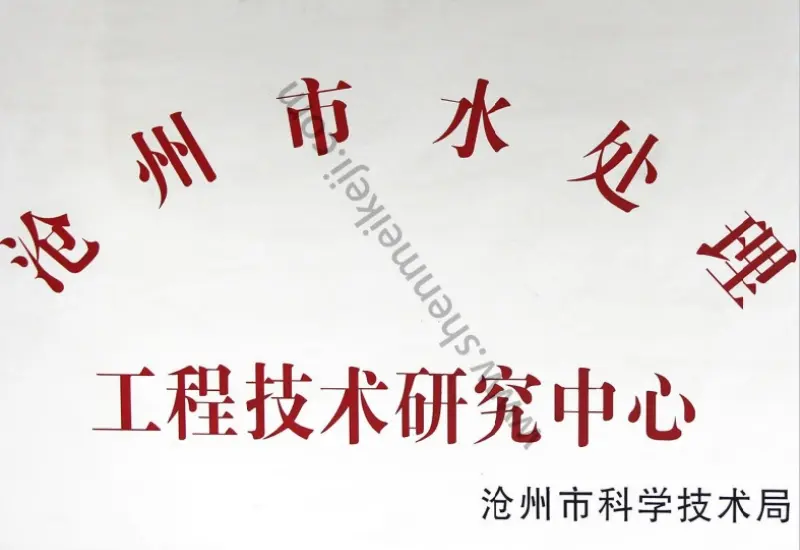
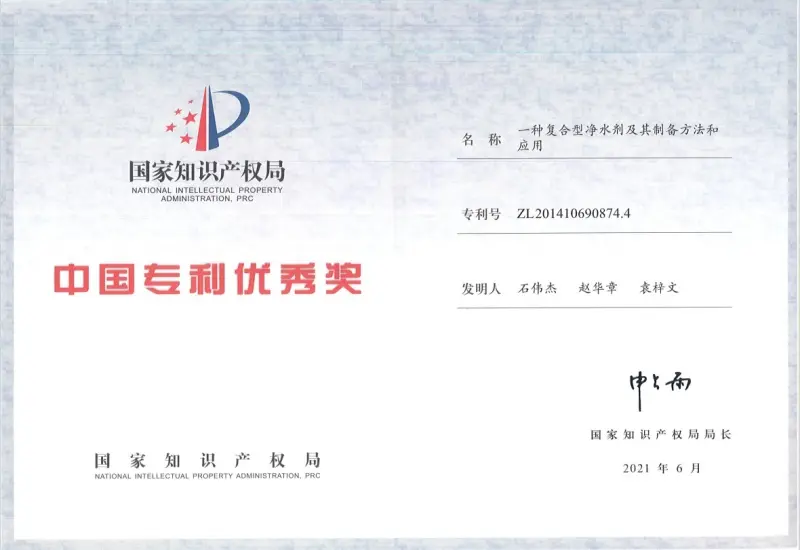
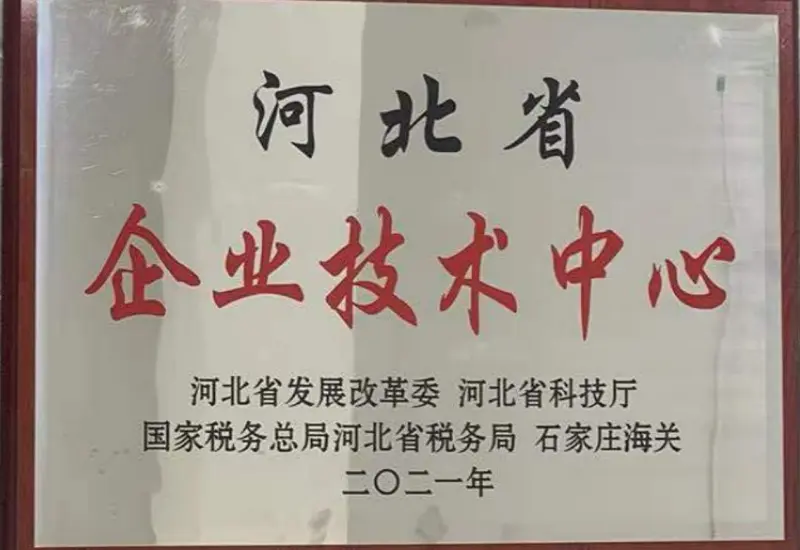
Below are our accredited international standards and process certificates, proving our focus on technological transparency and regulatory compliance:
The future of water treatment demands higher efficiencies, lower carbon footprints, and reduced chemical consumption. Smedic's research infrastructure is committed to advancing the following chemical frontiers:
Recipient of the 22nd China Patent Award, our covalent bond technology combines inorganic coagulants (like PFS) with organic polymers into a single chemical chain. This design achieves coagulation and flocculation in a single step, reducing chemical consumption by up to 30%.
In wastewater treatment, phosphorus removal must occur alongside nitrogen removal. Smedic has developed bio-enhanced denitrification carbon sources that work alongside PFS coagulation steps, ensuring stable nitrogen removal even in cold weather.
By utilizing industrial by-product iron streams, Smedic is working to reduce the carbon footprint of PFS production. This circular economy model helps global municipal water authorities meet their Scope 3 greenhouse gas emission goals.
Smedic was founded, focusing on the research, development, and manufacture of municipal wastewater treatment chemicals.
Established a complete product portfolio of treatment chemicals for municipal wastewater plants.
Recognized as a key National High-Tech Enterprise. Established our Guiyang chemical manufacturing plant to serve southern China.
Completed expansions of production bases in Hebei, Shandong, and Guizhou, taking total production capacity beyond 1 million tons.
Recognized as a National Specialized, Refined, Unique and Innovative Small and Medium-sized Enterprise. Established our Hebei R&D platform.
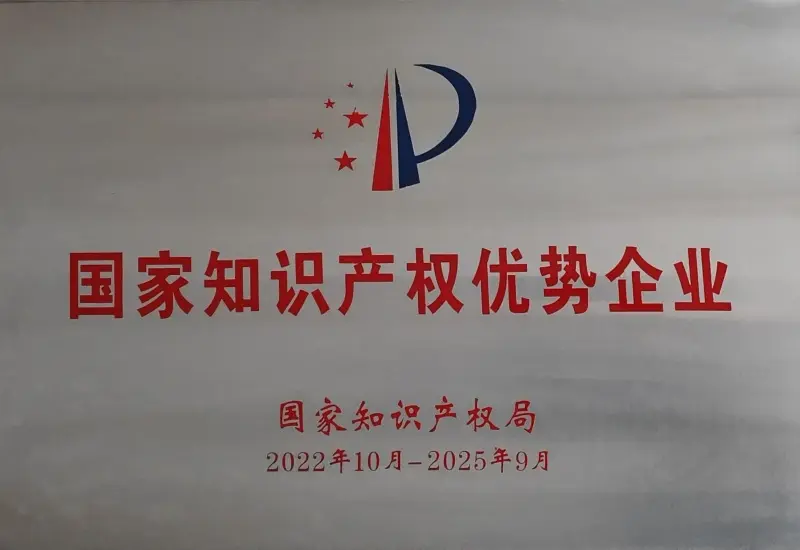
Recognized as a National Intellectual Property Advantage Enterprise. Formed a joint venture with the Chengdu Institute of Mineral Comprehensive Utilization to expand into mineral processing reagents.
Explore technical answers to common queries regarding the application, storage, and optimization of Polyferric Sulfate in water treatment systems.
Polyferric Sulfate performs exceptionally well across a wide pH range of 4.0 to 11.0, with the most efficient coagulation occurring between pH 6.0 and 9.0. This range is wider than that of Polyaluminum Chloride (PAC), which performance drops outside pH 6.5 to 7.5.
PFS forms heavier iron-hydroxide flocs that dewater more easily than aluminum-hydroxide flocs from PAC. This results in drier sludge cakes and reduces total sludge volume by up to 20-30%, lowering overall disposal costs.
Basicity indicates the degree of hydroxylation in the polymeric molecule. A higher basicity (between 8% and 16%) means the product has a highly polymerized structure, leading to stronger charge-neutralization capabilities and faster settling times.
Liquid PFS should be stored in corrosion-resistant tanks, such as FRP, PVC, or PE. Solid PFS is hygroscopic and must be stored in dry, well-ventilated areas in its original sealed bags. Under these conditions, the product has a shelf life of over 12 months.
Yes. During hydrolysis, PFS forms polymeric hydroxide complexes with large surface areas. These complexes adsorb dissolved heavy metals (like copper, nickel, lead, and cadmium) and settle them out of solution, especially when used with heavy metal removal agents.
Unlike Ferric Chloride, which can leave a yellow tint in treated water if overdosed, PFS has a high basicity that ensures rapid hydrolysis. This leaves minimal residual iron in the water, avoiding color issues when dosed correctly.
 Smedic Tech